
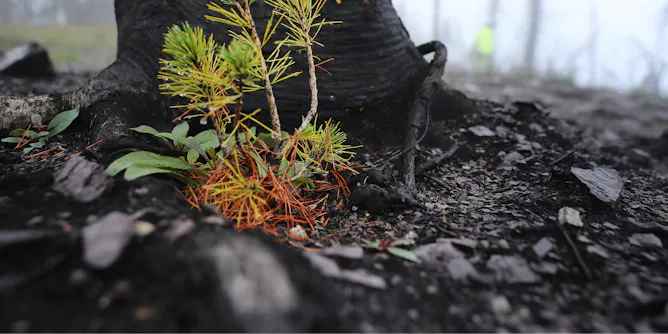
The dead remains of foundation species can boost or deter how well future generations are able to grow and thrive.
Articles on Oysters
Displaying 1 - 20 of 31 articles
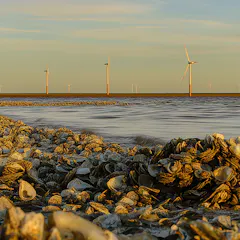
Under the right conditions, 1g of oyster shells can capture and lock away up to around 1.5g of the rare earth elements present dissolved in the surrounding water.

Seashells are the skeletons of sea creatures – and they’re older than you might think.
South Australians are heartbroken about the state’s unprecedented algal bloom. But eating oysters, donating shells and restoring lost reefs will boost ocean health.

Oyster reefs can act as a massive water treatment plant.
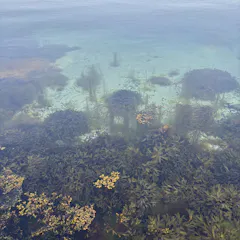
Restoring boulder reefs provides vital habitat for marine animals and helps reduce coastal erosion in the face of climate change.
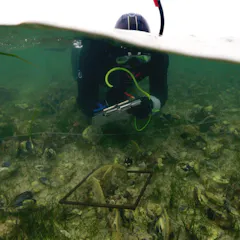
The persistent harmful algal bloom in South Australia is an opportunity to experiment with solutions, but the best approach is helping nature to help itself.
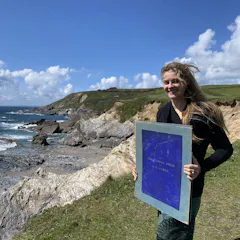
Historical maps and records from across Europe show just how much oyster beds and other marine habitats have changed over the centuries.

Oysters and escargot are recognised as luxury foods around the world – but they were once valued by the lower classes as cheap sources of protein.

People counted and collected invasive Pacific oysters found on the seabed and then went on to cook them.

The first detailed study of Australian tropical oyster reefs reveals the main species, yet to be named, is related to the Sydney rock oyster – and is just as delicious.
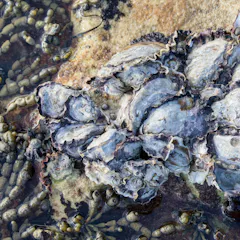
Worldwide, nearly five million people die from antimicrobial resistant infections each year.
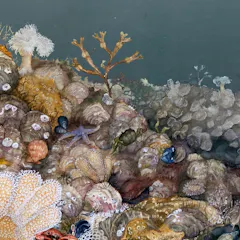
Historical records describe a very different seafloor to the ones we see today.
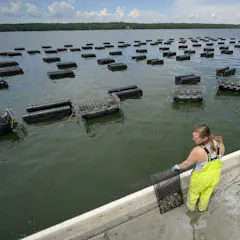
Working with communities to understanding the social acceptability of shellfish farming is the key to developing sustained aquaculture activities.
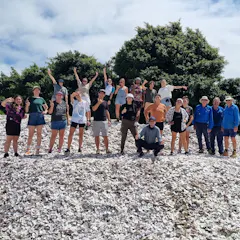
A clever approach to restoring Australia’s native oyster and mussel reefs in Queensland’s Moreton Bay is catching on, giving community groups a way to get involved in their local patch.
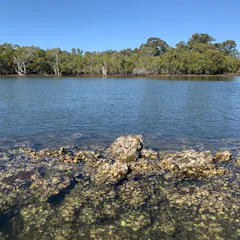
Herbicides and pesticides wash downriver from farms and towns – and some of these chemicals are taken up by oysters.
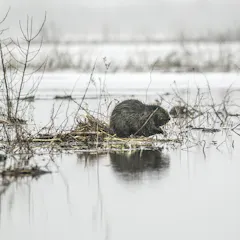
Restoring entire ecosystems is a difficult and expensive process. Thankfully, certain species, called ecosystem engineers, can make restoration easier. Gaining social and political support is critical too.

By playing the sounds of healthy reefs, we can draw oysters back to the barrens where their reefs once stood.
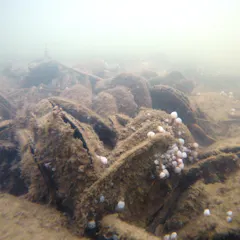
Leaf oysters can form reefs, produce mauve pearls, and reach the size of a dinner plate. They’ve been ignored for far too long.
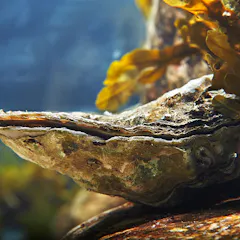
Nanoplastics and arsenic can affect some of the most basic functions of oysters.
Top contributors
-

Postdoctoral researcher, marine ecology, Adelaide University
-
Professor, Sustainable Marine Futures, Environment Institute, Adelaide University
-
Professor, National Marine Science Centre, Southern Cross University
-
Visiting Researcher, School of Geography and Environmental Science, University of Southampton
-
Associate Professor in Marine and Historical Ecology, University of Exeter
-
Assistant Professor, Institute of Marine and Environmental Technology, University of Maryland, Baltimore County
-
Professor of Food Safety, University of Guelph
-
Research fellow Environmental Management, Institute of Aquaculture, University of Stirling
-
PhD Researcher, Australian National University
-
Professor of Agricultural Economics, Mississippi State University
-
Adjunct Lecturer, Southern Cross University
-
Professor/Professeure titulaire, Eau Terre Environnement Research Centre, Institut national de la recherche scientifique (INRS)
-
Senior lecturer in aquaculture, Pattimura University and doctoral student, Southern Cross University
-
Professor Environmental and Marine Science, Southern Cross University
-
Senior Research Scientist - Coastal Restoration, James Cook University