
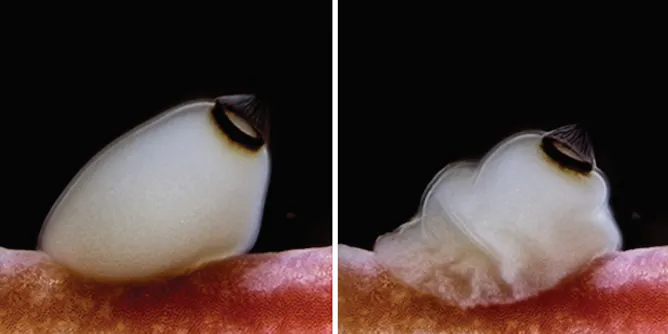
Sea sponges are some of the world’s simplest animals – but even so, the rhythm of night and day kicks off a crucial stage of their life cycle.
Articles on Marine biology
Displaying 1 - 20 of 197 articles
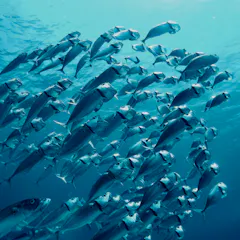
El Niño can trigger intense periods of extreme ocean warming known as marine heat waves that can devastate marine life.

Photographs have provided the first-ever evidence of a brooding red pipefish, resolving a 40-year mystery.

Healthy coral reefs can significantly reduce hurricane damage for coastlines, yet many still face harms, including pollution and ship damage, that people have the power to stop.
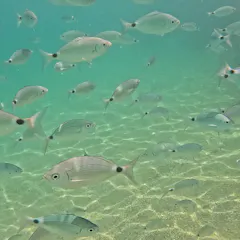
The Mediterranean is one of the world’s most vulnerable ecosystems. A scientific study on shifting distribution dynamics examines how its fish species contend with sea warming.
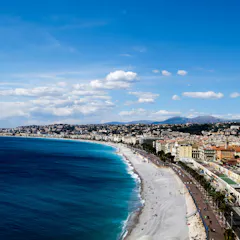
A tsunami risk in the Mediterranean is real. Coastal towns like Nice can get “Tsunami ready” by coordinating fast, effective preventive and awareness-raising efforts.
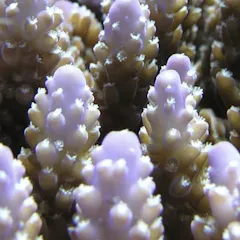
Several years worth of findings from a floating laboratory have tapped into a well-stocked coral library of taxonomic, genetic and chemical diversity, previously unknown to Science and Medicine.

Seashells are the skeletons of sea creatures – and they’re older than you might think.
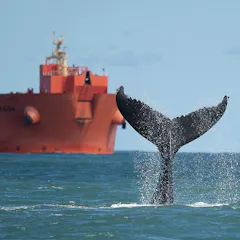
Despite Brazil’s recent expansions of protected areas, research shows that the favorite habitats of whales and dolphins are still threatened by human activities.
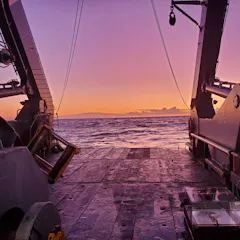
Marine viruses attack cells, but the material that spills out helps fuels marine life around the world.
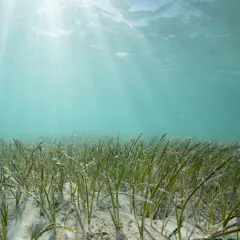
Scientists are using mollusk shells to evaluate the health of Florida’s seagrass ecosystems.

As oceans warm, tropical fish are on the move, heading south into cooler waters. New research reveals how they are getting on with the fish they encounter there.
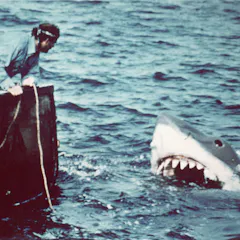
A shark expert whose own curiosity about these fascinating fish was sparked by the movie explains some of their unique features. Many discoveries came in the decades after ‘Jaws.’

The first detailed study of Australian tropical oyster reefs reveals the main species, yet to be named, is related to the Sydney rock oyster – and is just as delicious.

BIOCAP tiles reimagine seawalls as dynamic, ecologically active systems that have the potential to enhance coastal resilience.
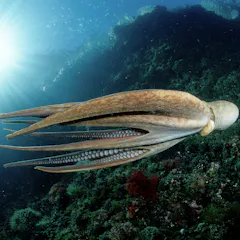
Animal welfare laws don’t protect invertebrates, but there’s evidence that some, such as octopuses, are as intelligent as many mammals – even if their cognition takes very different forms.
A new initiative by the International Seabed Authority has set an ambitious goal, and our team is one of the first to be involved.
Tiny phytoplankton have an outsized influence on the entire ocean.
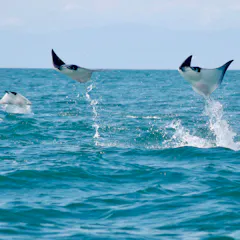
Breaching is one of the most spectacular behaviors among marine animals. A recent review shows that many shark and ray species breach, and identifies the most commonly hypothesized reasons.
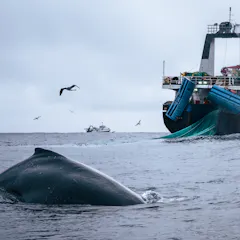
The Southern Ocean’s krill-rich waters attract multiple species of filter-feeding whales – and, increasingly, fishing boats.
Top contributors
-

Professor, Macquarie University
-
Professor, Marine Biology, Adelaide University
-
Executive Dean of the College of Arts, Sciences & Education and Professor of Biological Sciences, Florida International University
-
Professor of Marine Botany, The University of Western Australia
-
Faculty Research Associate in Marine Biology, Arizona State University
-
Senior Curator of Marine Invertebrates, Museums Victoria Research Institute
-
Postdoctoral associate, University of Florida
-
Royal Society University Research Fellow, University of Sheffield
-
Research Marine Biologist, National Oceanic and Atmospheric Administration
-
Associate professor, University of Rhode Island
-
Professor in marine ecology, UNSW
-
Founding Professor of the Minderoo-UWA Deep-Sea Research centre, The University of Western Australia
-
PhD Researcher in Marine Ecology, University of Exeter
-
Professor of Biology and Director, Kewalo Marine Laboratory, University of Hawaii
-
Lecturer and Researcher in Behavioural ecology and Cephalopod Biology, Anglia Ruskin University