
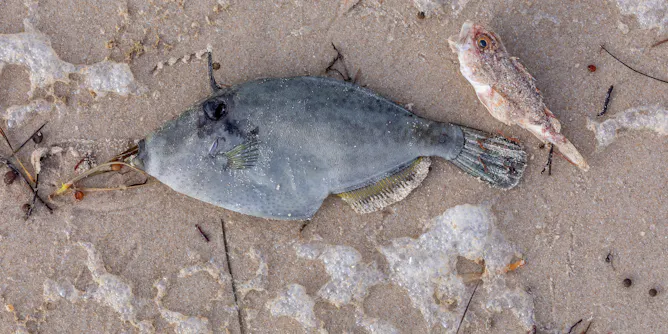
A new Australian-led study examined what makes the Karenia cristata algae so deadly.
Articles on Aquaculture
Displaying 1 - 20 of 77 articles
Seaweed aquaculture is attracting attention, but improved oversight is needed to prevent ecological impacts.
Navigating the benefits and risks of eating fish is a daily concern for consumers in Kenya due to persistent environmental pollution. How much are they influenced by nutritional labelling and guidelines?
The Mediterranean is one of the world’s most vulnerable ecosystems. A scientific study on shifting distribution dynamics examines how its fish species contend with sea warming.
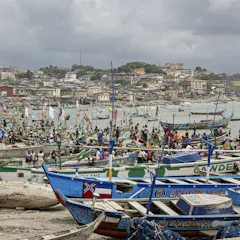
As ocean uses expand, it will be necessary to reduce disputes because they disrupt the environmental sustainability and equity central to a blue economy.
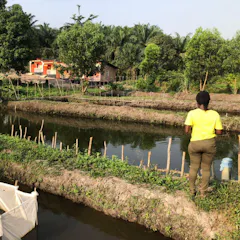
Wild fish sustain life in Sierra Leone’s fishing towns, but declining stocks mean fish farming is needed. However, fishing communities distrust farmed fish.
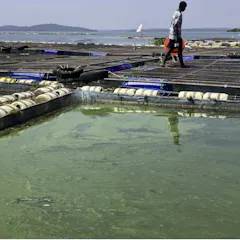
Lake Victoria’s aquaculture industry holds promise for improving food security and livelihoods in east Africa.
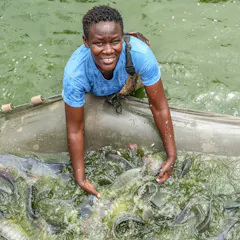
Africa’s small-scale aquaculture practitioners need cold storage facilities to stop their fish from going to waste.

The loss of one iconic species, sunflower sea stars, unleashed a voracious eater of seagrass habitats and upended the coastal ecosystem. But the response has opened new business opportunities.

Climate change is already hitting hard in Fiji. But when communities respond collectively, they can find new livelihoods.
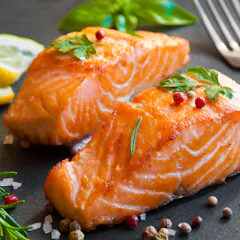
A new measure could let consumers know the environmental and nutritional credentials of the salmon they buy.
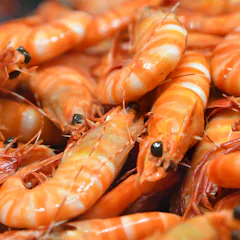
Australian seafood is vital to our culture and diets, and the national economy. We must take steps now to ensure aquaculture thrives in a warmer world.

Integrating tourism and aquaculture could bring boosts for the economy and the marine environment.
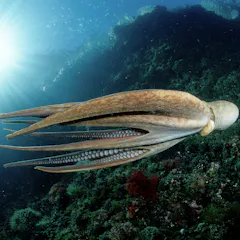
Animal welfare laws don’t protect invertebrates, but there’s evidence that some, such as octopuses, are as intelligent as many mammals – even if their cognition takes very different forms.
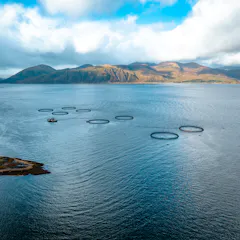
Dropping the word “farmed” from its name could cause a backlash if moves to produce more fish damage quality.
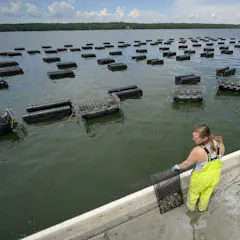
Working with communities to understanding the social acceptability of shellfish farming is the key to developing sustained aquaculture activities.
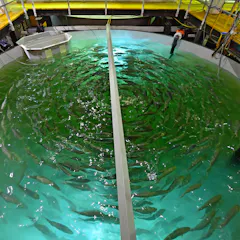
Many sea creatures lead complex, social lives in the wild and are likely to suffer in farmed conditions. But they aren’t mainstays of the aquaculture industry − yet.
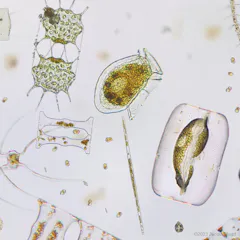
As the ocean warms, toxic algal blooms are on the rise in the waters off New Zealand, causing the highest number of shellfish harvest closures in a decade.

New research shows an abundance of microplastics in the St. Lawrence River and its estuary, where 45 million people live and is home home to several million animals, invertebrates and plants.
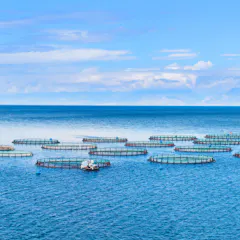
As we go from fishing to fish farming, we should borrow restorative approaches from permaculture.
Top contributors
-

Professor of Aquatic Resources Development, University of Stirling
-
Professor of International Development, Michigan State University
-
Postdoctoral Researcher, Department of Psychology, University of Alberta
-
Lecturer in Aquaculture, University of Stirling
-
Adjunct Associate Professor, University of Guelph
-
Professor, University of Tasmania
-
Postdoctoral Scholar, National Center for Ecological Analysis and Synthesis, University of California, Santa Barbara
-
Professor of Fish Physiology, University of Stirling
-
Professor of Computer Science, University of Sheffield
-
Emeritus Professor at Research Center for Oceanography, Indonesian Institute of Sciences (LIPI)
-
Assistant Professor, Institute of Marine and Environmental Technology, University of Maryland, Baltimore County
-
Honorary Fellow in Economics, The University of Queensland
-
Chief Research Scientist - Environment, CSIRO
-
Postdoctoral Researcher, Entomology and Biological Control, Rhodes University
-
Postdoctoral researcher, Universitat Autònoma de Barcelona