
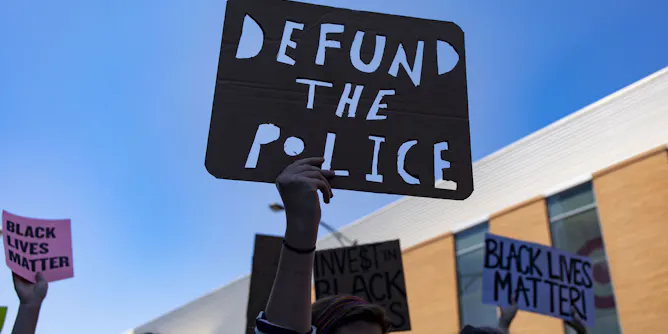
The call to defund the police forces us to reconsider our priorities: more police and prisons or investments in social housing, mental health services, domestic violence and family support programs?
Articles on Policing
Displaying 201 - 220 of 381 articles
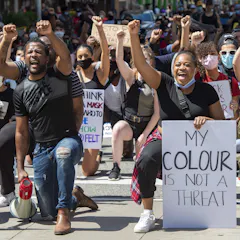
There is no good police versus bad police. Police are police. They are the states’ organ of repression. There are a myriad of better scenarios than the current one.
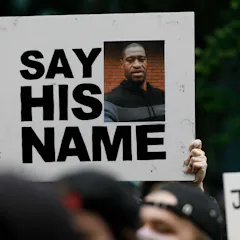
Half a century after the federal government voided Jim Crow laws, the criminal justice system still discriminates against African Americans.
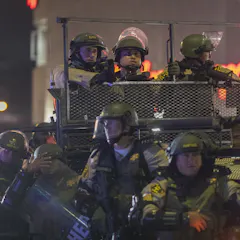
The militarization of local police departments has been associated with an increase in police violence against citizens.
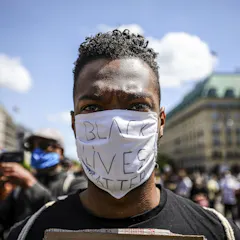
African Americans have long taken to the streets to protest against racial injustice. While some progress has been made, police violence remains an ever-present reality.
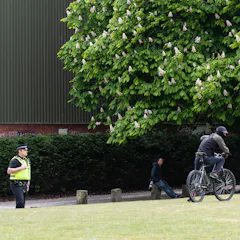
The policing of lockdown places the entire population at the centre of a huge public order operation. The public they once protected from threats has itself become the threat.
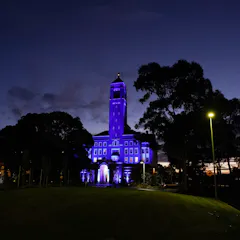
The recent tragic deaths of four Victorian police officers have highlighted the dangers to those whose job it is to protect the community.
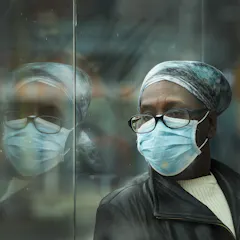
Black lives are further in peril in a time of COVID-19. Subject to death on both the public health and policing fronts, we will not be silent.

Current restrictions remind us of the value of access to public space and one another. Yet even before COVID-19 some people were excluded and targeted, so a return to the status quo isn’t good enough.
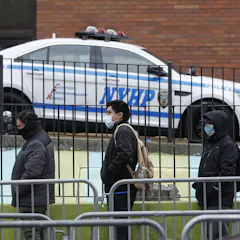
With officers being hit by illness, arrests have dropped during the coronavirus crisis. Meanwhile crime rates have remained static, or even fallen. Is it time to rethink policing?

Decriminalizing medical and recreational marijuana may exacerbate racial inequality within the criminal justice system, among other things.
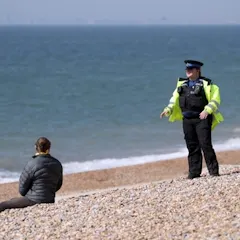
We need to be clearer about what’s at stake when deciding how, for what purpose, and against whom, police authority is deployed.
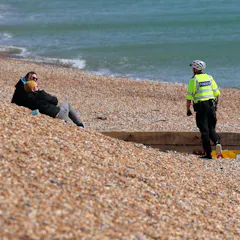
History shows us that when police forces apply the rules unevenly, some groups are hit harder than others.
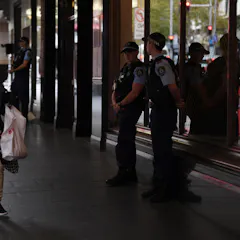
Coronavirus calls on police to ensure people are obeying the new rules, and to continue their essential function of keeping the peace.
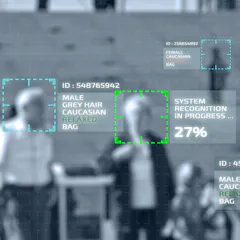
Recently, police forces have come under criticism for their engagement of facial recognition technologies. But pandemic response plans may increasingly incorporate surveillance.
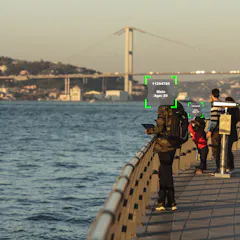
There are few guarantees that the facial recognition system is secure or even that it is accurate.

Cyber security firms have sparked a revolution similar to the spread of private police forces.

The RCMP have long been responsible for violence against Indigenous people.
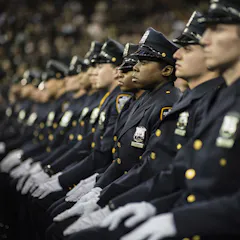
Diversity among officers lags behind the general population. But is police culture a greater problem when it comes to combating excessive force?
Rather than helping and providing new unbiased tools for policing, police surveillance technologies tend to be reactionary and biased.
Top contributors
-

Associate Professor in Criminal Justice and Criminology, Bond University
-
Professor of Law, University of Technology Sydney
-
Assistant Professor of Criminal Justice and Criminology, Georgia State University
-
Emeritus Professor in Law and Criminal Justice, Adelaide University
-
Senior Lecturer in Law, UNSW
-
Associate Professor, UNSW
-
Assistant Professor, Augusta University
-
Professor (Practice), Faculty of Business and Economics, Monash University
-
Professor Emerita of Criminology, UNSW
-
PhD Candidate in Social Work and Criminology, UNSW
-
Professor, Sociology, University of Alberta
-
Professor of Criminology, University of Leeds
-
Eleanor Rathbone Chair of Sociology, University of Liverpool
-
Assistant Professor of Criminology and Criminal Justice, University of South Carolina
-
Associate Professor in Law, University of Canterbury