
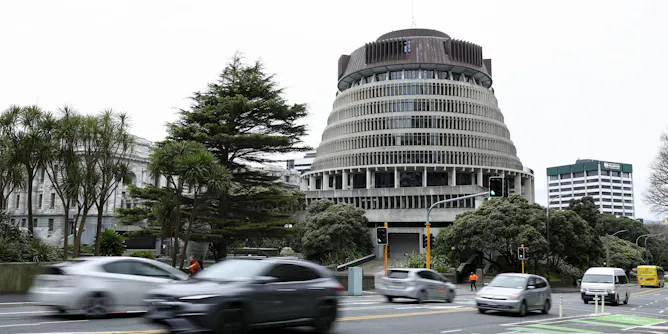
An analysis of former transport ministers’ diaries shows which interest groups get face-to-face time with decision-makers – and which voices are largely absent.
Articles on Political accountability
Displaying 1 - 20 of 21 articles

Rather than get rid of regional councils, maybe the government should look at expanding their role to deliver core services – something common in many other countries.

In principle, political debates should showcase an aspiring leader’s vision. It’s a lofty goal given their current format in Kenya.

The extent of democracy capture varies markedly between countries. It’s much higher in states such as Zimbabwe, where the government has never changed hands.
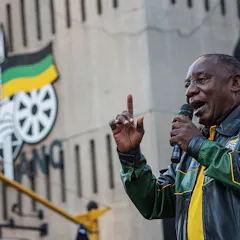
The ANC did not create most of the patterns for which it is blamed. But it has done far too little to change them and often seems happy simply to live with them.
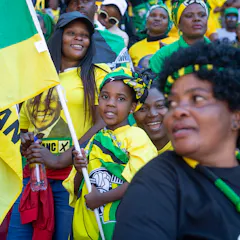
Exactly when the ANC’s reign will end rides on what the party does or does not do between now and its elective conference in 2022.

There is more support for democracy among African people than is often recognised. Yet this can be undermined by election rigging and is lower in countries like Lesotho, Mozambique and South Africa.
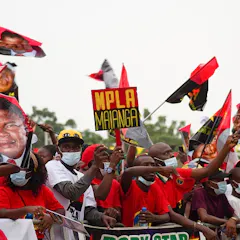
Angola needs a mixed electoral system. This would promote accountability through the direct election of representatives from constituencies.
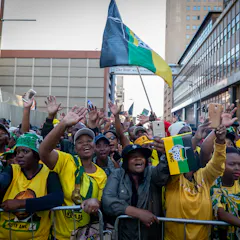
The trouble is that the ANC’s branch structure, designed initially as a means of grassroots democracy at work, is in a mess.
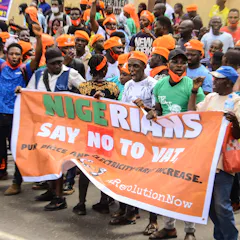
Although it’s failed to deliver democracy to citizens, Nigeria is not the collapsed and disintegrated entity which a 2005 US National Intelligence Council analysis predicted it would become by 2020.

Kimi Makwetu embodied the values of integrity, selflessness, humility and hard work. He steadfastly believed in the South African constitution.

The hand that taps ‘remove from this group’ is the hand that rules the world.
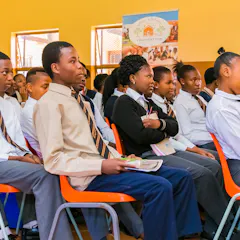
Although cynical about today’s political leaders, the views of young South Africans are surprisingly similar to those of the mid-1990s.

Swedish climate activist Greta Thunberg has inspired the cross-country climate marches, but accountability lies with governments and corporations.
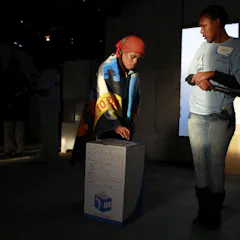
The current crisis in British politics is significant for countries like South Africa where a change in electoral systems is needed.
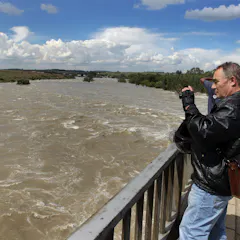
South Africa’s local governments lack a clear separation of legislative and executive powers.
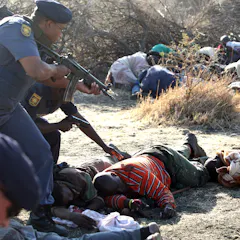
Some prosecutions followed soon after President Cyril Ramaphosa promised accountability for the Marikana massacre.
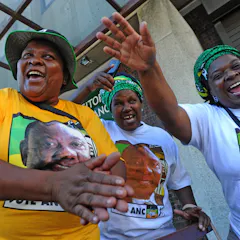
The problem with South Africa’s governing ANC, is that to many of its members, politics is not about public service but about resources.
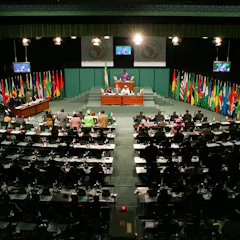
Reports of profligacy by the leaders of the Pan African Parliament could further diminish its legitimacy, which is already being questioned .
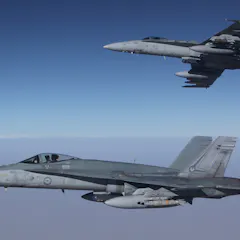
The wars in Syria and Iraq are products of secretive decision-making by the executive. Their disastrous consequences are evidence of the need for war powers reform.
Top contributors
-

Professor of Democracy, University of Birmingham
-
Professor of Political Studies, University of Johannesburg
-
Assistant researcher, University of Sydney
-
Professor of Law, University of the Witwatersrand
-
Professor in Political Science, University of South Africa
-
Senior Lecturer, Edge Hill University
-
Professor of International Law, University of Pretoria
-
Professor: International Business & Strategy, Wits Business School, University of the Witwatersrand
-
NRF/British Academy Postdoctoral Research Fellow under the SA-UK Bilateral Chair in Political Theory, University of the Witwatersrand
-
Senior Lecturer in Media Studies, Daystar University
-
Teaching Fellow, University of Birmingham
-
Reader in Media and Politics, School of Media and Communication, University of Westminster
-
Political Scientist, University of the Western Cape
-
Professor of Sociology, University of the Witwatersrand
-
Associate Professor Munk School of Global Affairs and Co-director Environmental Governance Lab, University of Toronto