
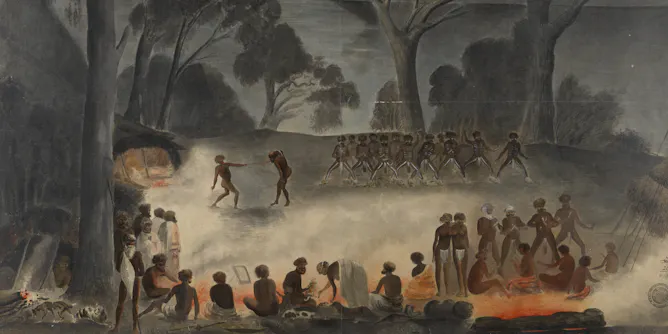
Genetic, archaeological and environmental evidence suggest the Indigenous population fell by more than 90% in the 70 years after the British invaded.
Articles on Population genetics
Displaying all articles

An executive order critiques the idea that race is a human invention. But that’s exactly what modern science supports.
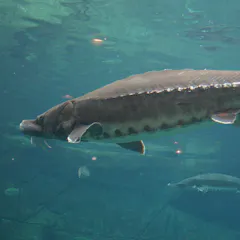
Research that combined archaeology, history and ecology provides a nuanced understanding of the past that could help conservationists better plan for the future.

Humans have roughly the same number of male and female babies, but there may be variation between families. A new genetic analysis of huge human populations explores the reasons why
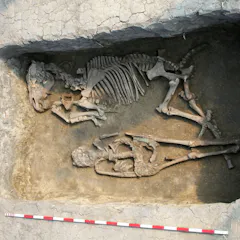
The Avars dominated southeastern central Europe for hundreds of years, leaving one of the richest archaeological heritages in Europe. Now scientists are using DNA to reveal details of their societies.

A newborn bison calf in Yellowstone National Park had to be euthanized after a visitor handled it in May 2023 – a recent example of how trying to help wild animals often harms them.
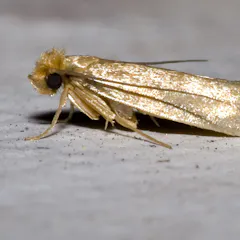
An appreciation for the moths that chomp holes in your clothes. They eat the inedible, occupy the uninhabitable and overcome every evolutionary obstacle in their way.

DNA analysis sheds light on important societies within Africa that existed before colonialism.
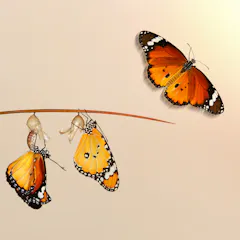
There is more to evolution than the genes species inherit.

New genetic research shows humans’ famed ability to adapt our behaviour and develop new tools and techniques has not always been enough to survive when times have grown tough.

Same-sex sexual behaviour presents a paradox: it’s influenced by genes, but how and why do these genes continue to be passed down the generations? One theory is they have reproductive benefits too.
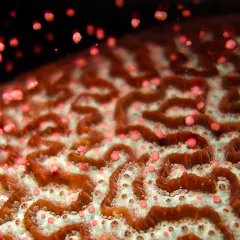
Corals in the Persian Gulf are tough - they can withstand temperatures that would kill corals elsewhere. And there’s good news: it’s easy to cross-breed their heat-tolerance genes into other corals.

Genetic studies show mingling between populations has been the norm throughout human history.
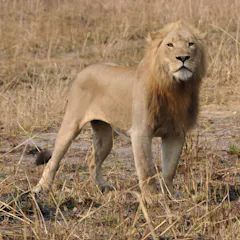
Male lions are responsible for the movement of genes between prides. New research confirmed that the genes are traveling long distances – even though no one has been spotting the lions on the journey.
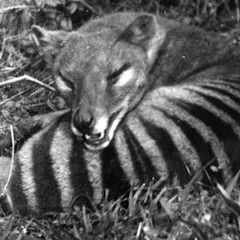
The new Tasmanian tiger genome reveals some fascinating facts about this extinct marsupial, including why they were so similar to dogs, and how they were growing more vulnerable to genetic disease.

Comparing genomes of more than 200,000 people, researchers identified genetic variants that are less common in older people, suggesting natural selection continues to weed out disadvantageous traits.

Antarctica’s blue whales all feed in the same place. But a new genetic analysis suggests they are actually three separate populations that breed in different parts of the globe.
Top contributors
-

Associate Professor in Marine Biology, Flinders University
-
Academic in Molecular Ecology, Flinders University
-
Professor, School of BioSciences, The University of Melbourne
-
Adjunct Assistant Professor of Biological Sciences, Columbia University
-
Matthew Flinders Professor of Biodiversity Genomics, Flinders University
-
Ph.D. Student in Biological Sciences, Columbia University
-
Professor (Evolutionary Ecology Unit, Department of Biology), Lund University
-
Doctoral Candidate in Ecology, Behavior and Evolution, Boston University
-
Assistant Professor of Biology, Penn State
-
Postdoctoral fellow, Australian National University
-
Associate Professor, School of Psychology, The University of Queensland
-
Phd Student in absentia of Veterinary Pathobiology, Texas A&M University
-
Postdoctoral research associate, UCL
-
Postdoctoral Researcher, Department of Archaeogenetics, Max Planck Institute for Evolutionary Anthropology
-
Professor of Biological Sciences, Columbia University