
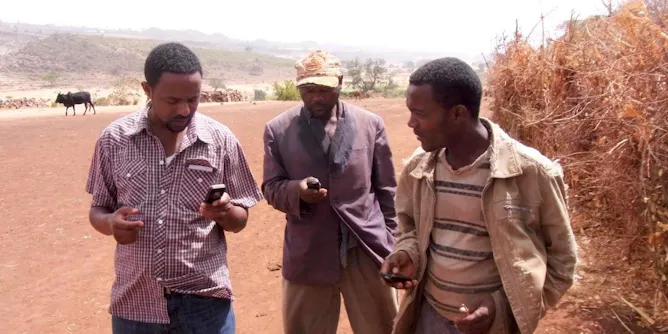
Mobile phones are often touted as technology that can help bring economic benefits to the poor. But the benefits to those living in rural and remote areas without other infrastructure are limited.
Articles on Remote communities
Displaying 41 - 49 of 49 articles
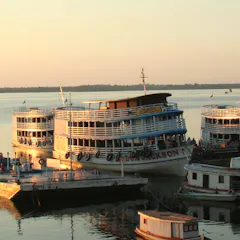
We’re used to debating the region’s environment. But far-western Brazil has lots of urban problems too.
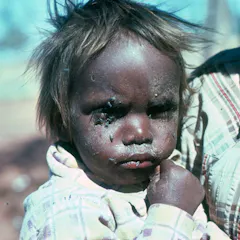
As Australia joins a New York summit to discuss the UN Sustainable Development Goals, it still faces questions over whether it is meeting water standards at home.

The government assumes that with the right education and training, a young person will be able to get work. But this is not the case, especially for young people who live in rural and regional areas.

On average, all food is 53% more expensive in remote communities, with the price increasing annually by approximately 5%, compared to an annual rise of only about 1% in Darwin supermarkets.
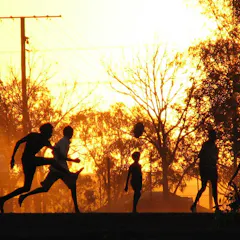
The syphilis outbreak in Central Australia is not about child abuse. But it highlights the urgent need for investment in sexual health services for Aboriginal Australians living in remote areas.
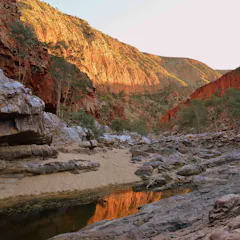
The Outback covers 70% of Australia, and its water is precious and scarce. Yet there is no joined-up plan to monitor and manage Outback water, despite the wealth of species and communities that depend on it.

Up to 150 ‘communities’ in ‘remote’ Australia are threatened with closure. But do such terms put a gloss on what is, in reality, the closure of people’s homes?

Remote Indigenous communities aren’t just places to live - they are also crucial for supporting ranger programs and other projects that protect the environment in areas that might otherwise go untended.
Top contributors
-

Associate Professor in Public Health, The University of Queensland
-
Professor of Archaeology, College of Humanities, Arts and Social Sciences, Flinders University
-
Research Associate in Archaeology, Flinders University
-
ARC DECRA Fellow & Senior Lecturer in Construction Management, Faculty of Architecture, Building and Planning, The University of Melbourne
-
Adjunct Lecturer, Archaeology, Flinders University
-
Professor, Director, Griffith University
-
Senior Research Fellow, Menzies School of Health Research
-
Postdoctoral Researcher in Food Security and Conservation, Universidade de São Paulo (USP)
-
Associate Professor, University of Sydney
-
Professor and Director, Centre for Social Responsibility in Mining, The University of Queensland
-
Chief executive officer, Grattan Institute
-
Research Fellow in food security, Museu Paraense Emílio Goeldi, Belém
-
Conjoint Senior Lecturer, School of Medicine and Public Health, University of Newcastle
-
ARC Future Fellow, School of Education, Deakin University
-
Professiorial Fellow, The University of Melbourne