
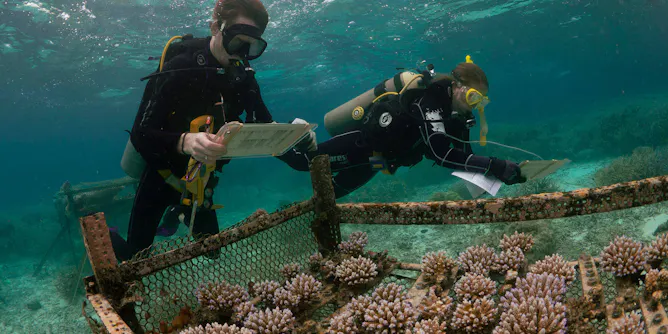
Improvements in heat tolerance remain modest compared to future heatwaves.
Articles on Selective breeding
Displaying all articles
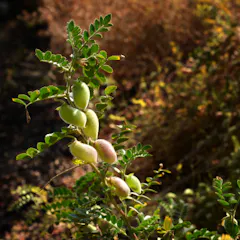
For millennia, we’ve selectively bred our crop species to make the plants stronger and better yielding. But we’ll need a different approach to help our food plants weather the changes to come.

The genetic mutations responsible for the unusual physical features in animals can also cause great harm.

Can we breed kelp and other keystone species to survive warming and marine heatwaves? These techniques have promise – but they’re not a silver bullet.
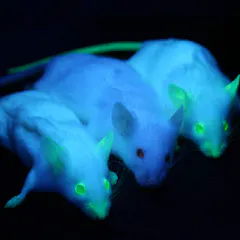
Human changes to the living world have benefited us, but the ecological consequences are mounting.

Oomycete spores hack into plants to get what they need, causing agricultural disease. Can researchers figure out how to close plants’ security loopholes and create more resilient crops?
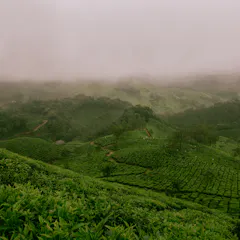
Sequencing the tea plant’s genome could help scientists breed new varieties that thrive in the degrading soil of tea farms.
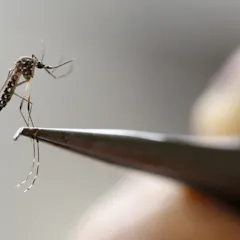
Look beyond transgenic techniques that add new genes to a species. People have used selective breeding techniques to change plants and animals for millennia – why not try them on mosquitoes?
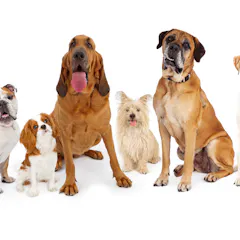
We’ve bred them into all shapes and sizes, but dogs haven’t been around for long enough to have evolved beyond Canis familiaris.
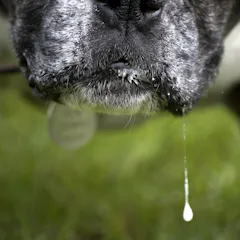
Researchers want your canine’s DNA to help unravel the connections between genes and behavior – for dogs and human beings.
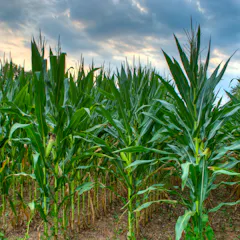
People have been changing plant genomes ever since agriculture got started thousands of years ago. Here are the high-tech ways researchers insert new genes into plants now.
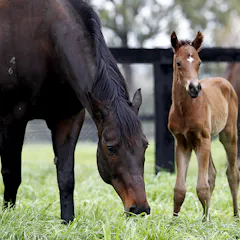
The win of Japanese stayer Admire Rakti in the Caulfield Cup, followed by Irish bred colt Adelaide’s win in the Cox Plate last Saturday, has brought into question the stamina (staying) credentials of Australian…
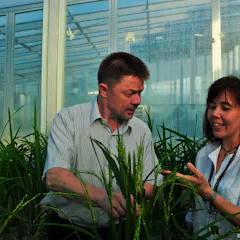
Welcome to GM in Australia, a series looking at the facts, ethics, regulations and research into genetically modified crops. In this first instalment, Peter Langridge describes two GM techniques: selective…
Top contributors
-

Research Associate in Microbiology, University of Guelph
-
Professor, Yale University
-
Assistant Professor of Bioinformatics and Integrative Biology, UMass Chan Medical School
-
Ph.D. Student in the School of Plant and Environmental Science, Virginia Tech
-
CEO, Australian Centre for Plant Functional Genomics
-
Director Equine Genetics Research Centre, University of Sydney
-
Senior Lecturer in Evolutionary Biology, Cardiff University
-
Professor of Sustainable Agriculture, Nottingham Trent University
-
Research fellow and lecturer, University of Tasmania
-
Adjunct Professor, Southern Cross University and Associate Professor, School of Biological Sciences, The University of Western Australia
-
Senior Lecturer in Animal Science, Nottingham Trent University
-
Researcher in Cultural Geography, Royal Holloway, University of London
-
Professor, Food Futures Institute, Murdoch University
-
Senior Lecturer in Crop and Food Innovation, Murdoch University
-
Reader in Coral Reef Ecology, Newcastle University