
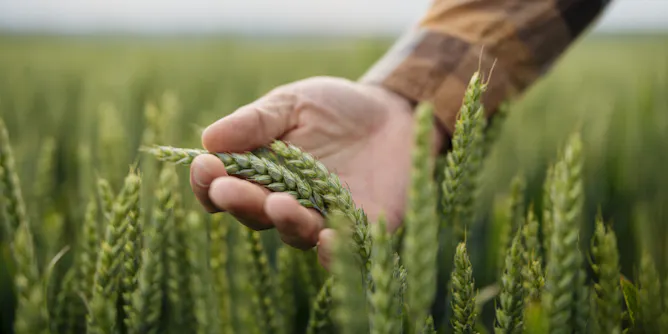
Growers across the country are grappling with surging fuel prices and inconsistent rainfall.
Articles on Crops
Displaying 1 - 20 of 175 articles
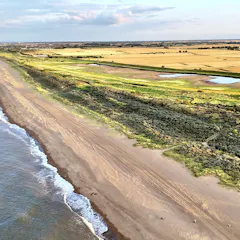
The places most exposed to saltwater flooding, especially the low-lying Fenlands, are also some of the most productive farmland in the UK.

Pistachio production will require even more water use by 2050 if temperatures and greenhouse gas levels continue to rise.
The African armyworm causes havoc for many crops and livestock.

A distinctive local variety of grapevine from Ethiopia’s Tigray region could offer potential as a dryland crop.

A soil expert unpacks what this unconventional farming method is and how it works.
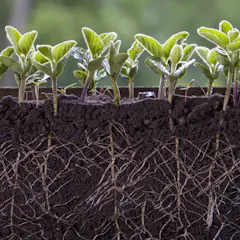
Too much fertilizer disrupts the hidden world of soil-dwelling microbes that were sustaining healthy crops long before synthetic fertilizer was invented.
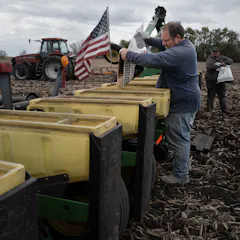
When huge companies assert their patents, smaller businesses and public plant breeders are dissuaded from conducting research that might not be illegal at all.
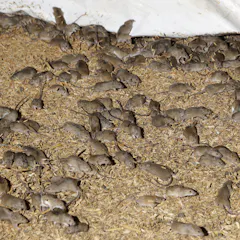
Mice numbers are likely to drop as winter sets in – an expert explains.

The term’s contradictory uses signal deeper worries about cultural fragmenting and algorithmic-induced flattening.
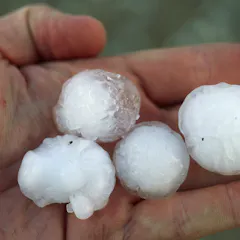
Costs from severe storms are increasing – and this global shift in hailstorm spells bad news for crops, too.
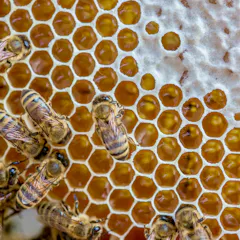
When honey bees get sick, their beekeepers turn to the nation’s premier bee research and disease diagnosis lab for help. That crucial resource is now disappearing.
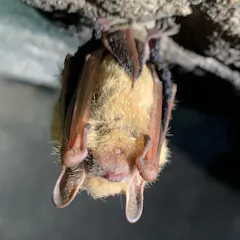
When bats disappear, farms become less productive, and that has broad implications far beyond the crops.
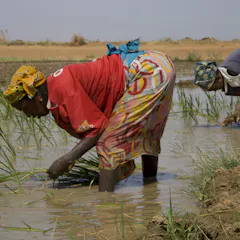
Science can only change the world when societies decide to give it the means to do so.
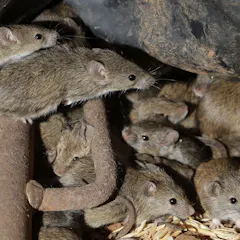
In parts of Western Australia and Southern Australia, mouse numbers are reaching plague proportions.

Wheat is one of the most popular grains globally. But climate change is making it harder to grow, harvest and distribute this crucial crop.
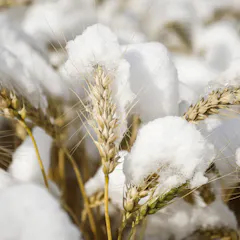
By identifying the genes that allow plants to pause growth during stress and restart, we can help ensure crops produce reliable harvests in a changing climate.
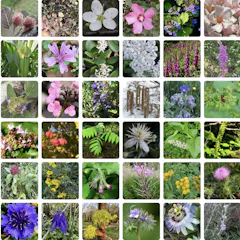
Pl@ntNet, the “shazam” for plants is a well-known app among the hiking community and nature enthusiasts, but not many know that it’s a precious resource for scientists.
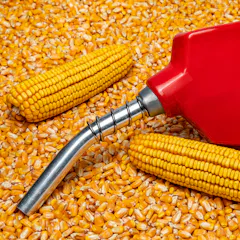
Australians are being urged to switch to E10 fuel, as the US-Iran conflict continues to put pressure on diesel and petrol supplies.
Without this form of fertiliser, crops will not produce yields on which the world’s population depends, leaving people starving.
Top contributors
-

Associate Professor, Department of Entomology; African-American Studies, University of Illinois Urbana-Champaign
-
Research scientist at Plant Breeding Institute, University of Sydney, University of Sydney
-
CEO, Crops for the Future Research Centre and Professor of Global Food Security, University of Nottingham
-
Associate professor, food chemistry, University of Pretoria
-
Associate Professor in Wildlife Conservation, Edith Cowan University
-
Professor of Plant Sciences, University of Nottingham
-
Senior Fellow, Department of Agricultural Economics, Stellenbosch University
-
Ph.D. Student in the School of Plant and Environmental Science, Virginia Tech
-
Special Professor of Phytopathology, Wageningen University
-
Professor of Sociology and Associate Dean for Research & Graduate Affairs, College of Liberal Arts, Colorado State University
-
CSIRO
-
Senior Principal Research Scientist, Farming Systems, CSIRO
-
Professor of Ecology, University of Cambridge
-
Professor of Agriculture and Food Sciences, The University of Queensland
-
Associate Professor, University of Ghana