

There are growing tensions in Australia’s migration policy. So far, the Albanese government has not tackled it - but the Liberals’ approach will not solve it either.
Articles on Skilled migration
Displaying 1 - 20 of 36 articles

This pilot has made it easier for employers to hire skilled refugees from overseas, delivering benefits for local communities. But it is due to end on June 30.

In a Wednesday address, Martin Parkinson said the focus on migration numbers misses the more immediate questions about how migrants can apply their skills.
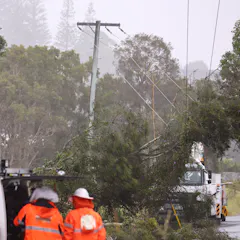
There aren’t enough skilled workers to support Australia’s day-to-day building needs, let alone in response to disasters.

The system isn’t working well – and among the biggest losers are state governments themselves.

Simple changes to Australia’s skilled migration points test could boost visa-holders’ earnings, government budgets and Australia’s productivity.

Slashing the permanent migration intake will do little to help manage population growth and may well make building more homes even harder.
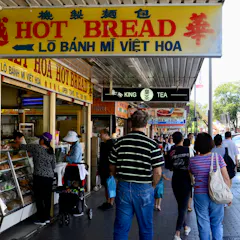
The shift from family migration towards skilled migrants changed settlement patterns in the first two decades of this century. But these skilled migrants still get paid less than non-migrants.
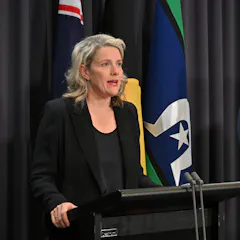
Currently, when a visa applicant or their child has a health condition or disability likely to incur ‘a significant cost to the Australian community’ they can be deported.
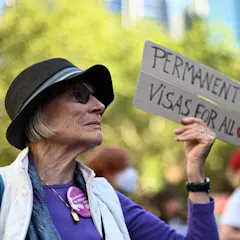
The inquiry warns that given the international competition for highly skilled migrants, ‘Australia risks falling behind’.

Migrant women come to Australia with high hopes but their husbands’ careers often take precedence. Farjana Mahbuba spoke to Bangladeshi Muslim women, finding stories of isolation and under employment.

The Albanese government’s attempt to sell the AUKUS nuclear submarine plan as a job-creation program is bad economics.

A fast-growing population – 50% bigger than it was in 1990 – is causing, directly or indirectly, all of Australia’s serious environmental problems. These impacts must be central to decision-making.

Australia’s debates about migration tend to focus too much on numbers, and not enough on who we choose. Accepting 30,000 more skilled permanent workers is a good move – but there’s more to be done.

Defining skill shortage by lists of occupations is inflexible for a rapidly changing labour market. Australia needs a different approach to organise its temporary skilled migration programs.

Having international students in Australia gives us a head start in the global race to attract skilled migrants. COVID border closures that halved their numbers could have very long-term costs.

Australia has traditionally only offered permanent residence to skilled migrants. That might have to change, as countries like Japan are already showing.

While skilled migration can help fill short-term gaps, Australia needs a more sustainable, long-term approach to skills matching and development to make the most of the people who are already here.

Until now, the US has been the most popular destination for potential migrants, and Australia around fifth.

Australia’s population growth is expected to be stagnant over the next two years, due largely to decreased immigration. This won’t lead to a quick economic recovery.
Top contributors
-

Program Director, Housing and Economic Security, Grattan Institute
-
Associate Professor in Law, Adelaide University
-
Deputy Program Director, Migration and Labour Markets, Grattan Institute
-
Honorary Professor of Demography, Centre for Health Policy, The University of Melbourne
-
Senior Associate, Grattan Institute
-
Senior Research Associate at the Kaldor Centre for International Refugee Law, UNSW
-
Adjunct professor, Adelaide University
-
Professorial Fellow, University of Canberra
-
Deputy Program Director (Migration), Grattan Institute
-
Senior Lecturer in Population Geography, Adelaide University
-
Expert en migrations internationales, Université de Liège
-
Professor of Finance and Economics, UNSW
-
Data scientist, Stanford University
-
Senior Lecturer, University of Sydney
-
Associate Lecturer, ANU College of Law – Migration Law Program, Australian National University