
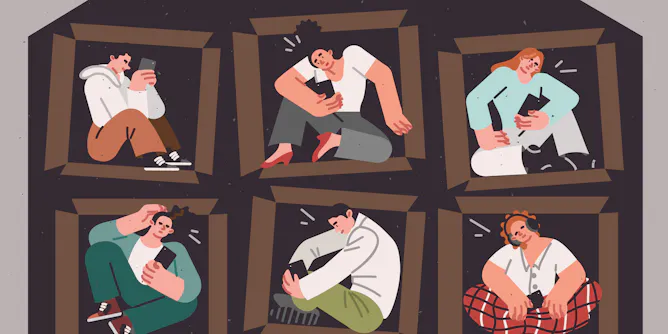
Students in this course learn about the biology and sociology of friendship, but also put their studies to the test by going to eat a meal with a peer, and tracking their experience.
Articles on Social connection
Displaying 1 - 20 of 44 articles
Entrepreneurship is usually treated as an adult pursuit, but new research suggests the social influences that help shape who becomes an entrepreneur can begin much earlier.
Paid social clubs promise connection with new people, with a lot of the complicated legwork handled. But here’s why they’re unlikely to fix our loneliness epidemic.
Students are more likely to flourish when they experience both material security and psychosocial support.
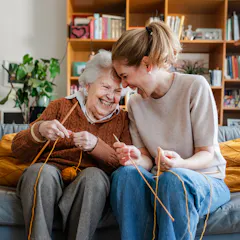
Do you knit or solve puzzles for fun? Research suggests hobbies such as these could help keep your brain healthy, particularly in older age.
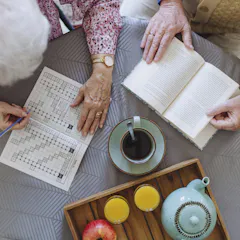
Growing old isn’t always easy. But new research suggests staying curious and social may help you age well.

When a hobby becomes something larger, with a focus on improving skills and developing deep knowledge, it can deliver surprising rewards.
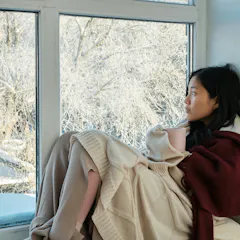
Winter shifts people indoors and inward. While this may reduce incidental social contact, connection can be maintained through deliberate routines and low-threshold forms of engagement.
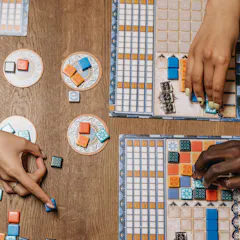
’Tis the season for tabletop games – bringing people together since 2500 BCE.

Guidelines for social well-being can help health care providers identify when someone is socially isolated and provide goals and standards for policymakers.

Embarrassment is a universal, visceral and oddly contagious emotion that has importance socially and psychologically.

Once thought to be an unhealthy experience, researchers now know that feelings of nostalgia can promote greater social connectedness and a deeper sense of meaning and purpose.

A new research review shows live music isn’t just entertainment — it’s a proven way to boost feelings of belonging and community.

Healthy eating is strongly influenced by social connections and different settings. But aging often brings losses to social connections, which could put healthy eating at risk.

New public health guidelines offer research-backed steps for individuals and communities to strengthen social bonds, combat loneliness and build healthier lives.

Social relationships are a key source of happiness but most people won’t reach out to an old friend.

Society’s expectations of how a man works and what he earns is a key contributor to how lonely he feels in the workplace.
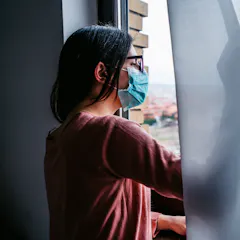
COVID was a ‘gendered pandemic’, with women carrying very different burdens to men. A three-year New Zealand research project aimed to overcome the urge to forget, and provide lessons for the future.
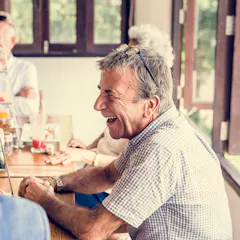
Don’t believe the hype about products claiming they can help you live longer. Here are five lifestyle changes to prioritise instead.
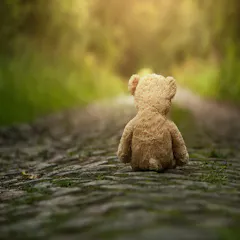
Humans are social beings so it’s no wonder that feeling isolated can affect the way we think
Top contributors
-

Assistant Professor in Health Sciences, Simon Fraser University
-
Senior Research Fellow, Matilda Centre for Research in Mental Health and Substance Use, University of Sydney
-
Senior Research Fellow, The University of Queensland
-
Principal Research Fellow, Melbourne Institute of Applied Economic and Social Research, The University of Melbourne
-
Professor in Psychology, University of Auckland, Waipapa Taumata Rau
-
Senior Research Fellow, Black Dog Institute, UNSW
-
Professor and Clinical Psychologist, Australian National University
-
PhD student in iSpace Lab, Simon Fraser University
-
Senior Lecturer in the School of Psychology, University of Lincoln
-
Associate Professor of Marketing, Tasmanian School of Business and Economics, University of Tasmania
-
Instructor of Communication and Head Coach, MSU Speech & Debate Team, Mississippi State University
-
Clinical Assistant Professor of Psychiatry and Neurology, University of Michigan
-
Academic in History and Communications, University of Southern Queensland
-
Associate Professor, Social & Behavioural Health Sciences, Dalla Lana School of Public Health, University of Toronto
-
PhD Candidate, University of Auckland, Waipapa Taumata Rau