
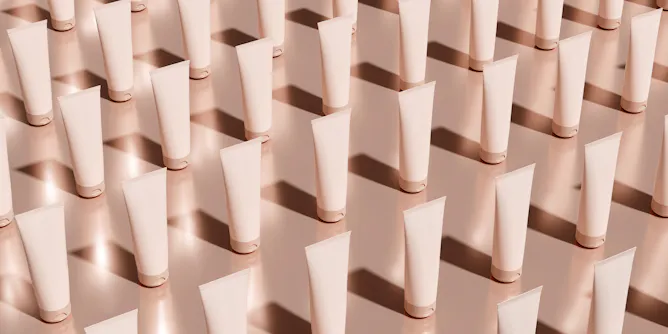
Spending time on skincare can be enjoyable, creative and soothing. But sometimes this self-care can be concerning. Could it be ‘cosmeticorexia’?
Articles on Wellbeing
Displaying 1 - 20 of 440 articles

How prepared are you for an emergency?

Research on how heading to a museum could be good for the brain and general wellbeing suggests that culture fixes are an important resource for public health and social cohesion.

Thinking about the quality of friendships allows us to consider the different elements that promote safety, support and security for both teens in a relationship.

Griege is dominating our landscape along with cookie-cutter design.

When it comes to fairness, there may be little difference between left and right.
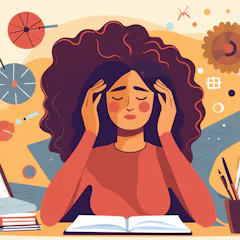
Maybe it’s time we all started ‘moderation-maxxing’.
When Indigenous people are displaced from or denied access to Country, measurable declines in mental health, physical health and emotional wellbeing follow.

For vacation time to be truly restful, the onus is on both employers and employees.

Paid social clubs promise connection with new people, with a lot of the complicated legwork handled. But here’s why they’re unlikely to fix our loneliness epidemic.
A little boredom can be good for you.

A new study finds gaming supports mothers’ stress relief, skill development, and wellbeing, but parental duties and domestic labour still limit their play.

What if today’s ‘total recall’ technology is creating a memory system we do not need or benefit from?

Our study assessed the strength and nature of emotional experiences in the workplace.

Why a pile of unread books is not stressful, yet a pile of unread emails is.

Climate change is disproportionately affecting remote First Nations communities – as three experts explain.
Good oral health is more than having healthy teeth and gums. Indigenous people told researchers why it’s central to their wider health and wellbeing.

Students are more likely to flourish when they experience both material security and psychosocial support.

Our study found that although women complained of sleep problems more often, they slept objectively better than men on average.

You want to be a good friend. A psychologist explains when it’s time to suggest therapy and what to say to make a difference.
Top contributors
-

Associate Professor, Centre for Positive Health Sciences, RCSI University of Medicine and Health Sciences
-
Professor of Coaching and Positive Psychology, RCSI University of Medicine and Health Sciences
-
Visiting Fellow, The Media School, Bournemouth University
-
Professor and Head of the Department of Psychology, University of Copenhagen
-
Mental Health Researcher, University of Southern Denmark
-
Honorary Research Associate at the Behavioural Science Centre, University of Stirling
-
Professor of the Psychology of Time, Liverpool John Moores University
-
Professor of Organisational Psychology and Health, University of Manchester
-
Postdoctoral research assistant at the Welsh Institute of Physical Activity, Health & Sport (WIPAHS), Swansea University
-
Lecturer, Centre for Positive Psychology and Health, RCSI University of Medicine and Health Sciences
-
Professor in International Social Policy, University of Southampton
-
Associate Professor of Clinical Psychology, Curtin University
-
Senior Research Fellow, School of Psychology, Deakin University
-
Associate Professor, School of Psychology, UNSW
-
Founding Director, Institute for Sustainability, University of Surrey