

We asked 200 young New Zealand women about the body ideals they encountered online. Here’s what they said.
Articles on Wellness
Displaying 1 - 20 of 99 articles

Nicotine products like pouches and patches are being promoted for cognitive enhancement, stress reduction, improved athletic performance and much more – with little scientific evidence.
Maybe it’s time we all started ‘moderation-maxxing’.
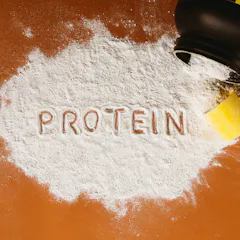
Protein powders and protein-fortified versions of all manner of foods line grocery store shelves. But just because something has added protein doesn’t necessarily make it better.
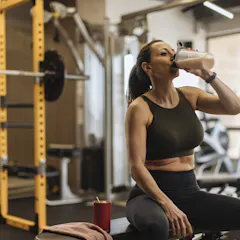
Products designed for professional athletes with specific goals may not do much for people with more recreational exercise goals.

Online wellness trends claim saunas and cold plunges can boost male fertility. The evidence tells a more nuanced story – and some claims don’t stack up.
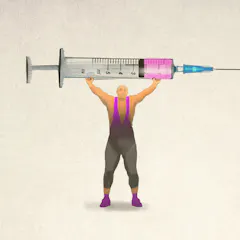
On top of the risks of injecting untested and potentially contaminated products, user error may make this runaway wellness fad even more dangerous.

Playing improv music activates the reward system of the brain.

Wellness clinics are supplying peptides and anti-ageing injections that aren’t approved, meaning they haven’t been checked for safety or effectiveness.

People are now taking peptides for a variety of reasons, including fat loss. But are they legal? And what are the risks? Here’s what you need to know.

The unlicensed peptide market is expanding faster than regulators can keep up.

The internet is awash with claims about injectable peptides for fitness, but there’s almost no human research showing they work or are truly safe.

Tracking glucose numbers in real time is an increasingly popular wellness trend, but monitoring a constant stream of data can lead to confusion and needless anxiety.

Sure, a cuddle can feel great. But that doesn’t mean ‘cuddle therapy’ is for you.

Many adults struggle to carve out space for hobbies because of lack of time, money and resources. Unlike childhood, adulthood comes with time pressures and responsibilities.

A paramedic and university professor shares data about how strategic napping could help his own health while saving the lives of others.

The wellness industry has redefined detox in ways that medicine does not recognise. Here is why most detox claims do not stand up to evidence.

What you do in the years leading up to menopause can help counter the natural hormonal effects of aging, setting you up for a healthier transition.

Wellness culture is an intoxicating cocktail, blending evolved social preferences for health, fertility and social status with the signalling power of social media.

Employers that don’t support employees with mental illness risk missing out on the talents and skills that such employees can provide.
Top contributors
-

Research Fellow in Public Health, The University of Queensland
-
NHMRC Emerging Leader Research Fellow, School of Public Health, University of Sydney
-
Associate Professor of Organisational Behaviour, Bond Business School, Bond University
-
Senior Lecturer in Psychology and Associate Head of School, Charles Sturt University
-
Senior Research Fellow in Public Health, The University of Queensland
-
Professor of Sociology, Concordia University
-
Assistant Professor of Medicine, Columbia University
-
Sub-Dean Workplace Learning, Senior Lecturer Health and Physical Education, Charles Sturt University
-
Associate professor, Queen's University, Ontario
-
GP Researcher, RMIT University
-
PhD Candidate, Charles Sturt University
-
Associate Professor of Economics, Queen's University, Ontario
-
Sessional Academic (Health & Physical Education), Charles Sturt University
-
Laureate Professor in Nutrition and Dietetics, University of Newcastle
-
Lecturer, Graduate Research School, Western Sydney University