
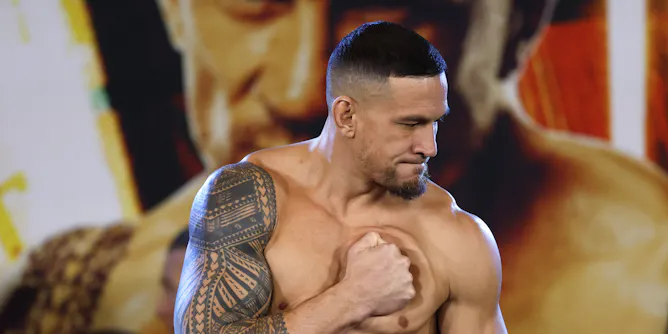
Retired male elite rugby players have higher rates of osteoarthritis, mild cognitive disorders, depression and hazardous alcohol use than non-contact sport players.
Articles on Sports injuries
Displaying 1 - 20 of 34 articles
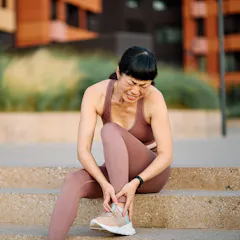
A secondary injury usually happens because the body has not fully recovered from its initial injury.
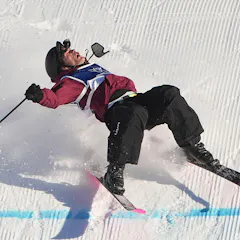
Alpine skiers have a 75% risk of suffering at least one injury per season.
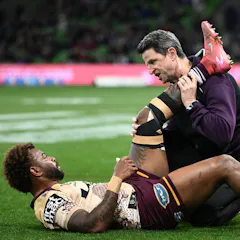
More than 80% of hamstring injuries in sport occur during sprinting. Two training approaches can help reduce these injuries.
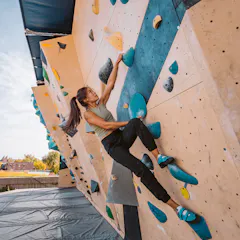
Climbing and bouldering are increasingly popular past-times – but they can also lead to a whole host of injuries.
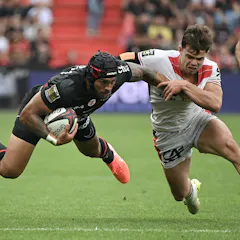
Research suggests new headgear could reduce the overall collision ‘burden’ on players over a season or career, with potential benefits for long-term brain health.
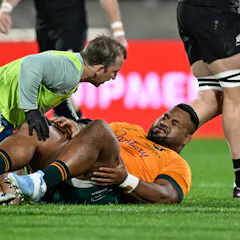
Non-contact injuries are a persistent challenge in rugby union. But what if coaches could use AI to help foresee those injury risks?
The drama comes at an important time in the debate raging over the harms posed by concussion sports.
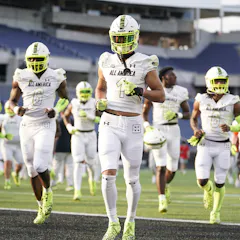
Well-publicized professional sports stars’ injuries draw attention to dangerous influences on young athletes.
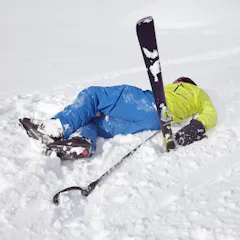
While high-profile concussions in the NFL have brought renewed attention to the gravity of head injuries, they can also occur on the playground or during junior varsity practices – with lasting effects.

Canadian researchers are exploring unanswered questions about concussion: How to diagnose it accurately and quickly, how to predict outcomes and promote recovery, and how to prevent it altogether.
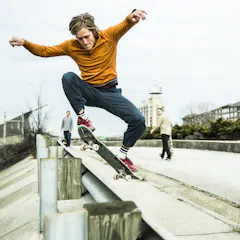
The ‘Spiritual But Not Religious’ are embracing different forms of spirituality – skateboarding may be one of them.
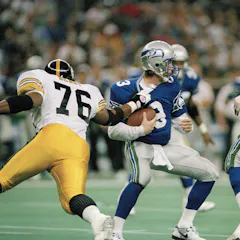
In the NFL, anti-Black racism shows up in the disparities between concussion settlements to injured athletes. The amounts of the payouts are determined using assessments that rely on racist science.
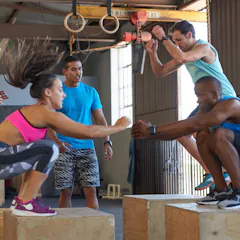
Rhabdomyolysis is a potentially life-threatening condition caused by damage to muscle cells.
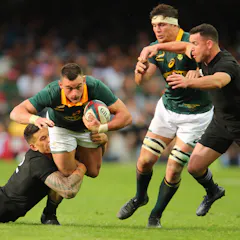
Injuries that commonly effect former players during retirement include concussion, neck injuries, shoulder dislocation, and knee ligament injuries.
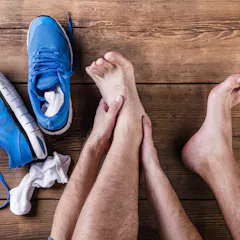
Whether it’s a pulled muscle, sore ankle, or shin splints, here’s the best way to get back on track.
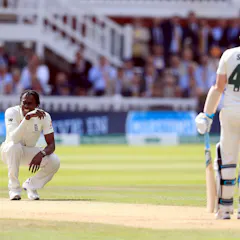
Extreme pace bowling has been thrilling crowds but scaring batters since the Bodyline tour of the 1930s.
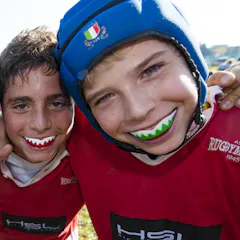
If you ask children, they enjoy sports because it’s fun, they are with their mates and may get a compliment from the coach. But research shows that adults’ ambitions increasingly drive kids’ sports.
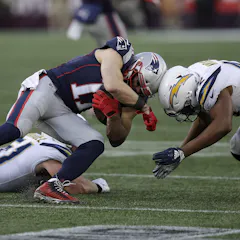
A standard clinical MRI is not sensitive to the distributed and microscopic injuries in a concussed brain. But new discoveries are in the pipeline.
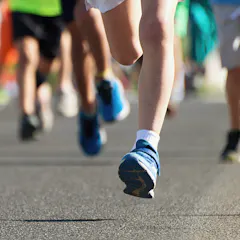
If you’ve been injury-free in your current sports shoe, and you’re performing at a level you are happy with, you may already have the right shoes on your feet.
Top contributors
-

Senior Lecturer in Biomechanics, University of Bath
-
PhD Candidate, Victoria University
-
Professor of Sports Law, Melbourne Law School, The University of Melbourne
-
Senior Lecturer (Podiatry), La Trobe University
-
Associate Professor, UTS Business School, University of Technology Sydney
-
Senior Principal Research Fellow, Neuroscience Research Australia
-
Associate Professor of Business, Boston University
-
Associate Professor, Respiratory Therapy, Georgia State University
-
Post-Doctoral Fellow, Sport Injury Prevention Research Centre, University of Calgary
-
Professor of Social Inclusion - UTS Business School - Co-Lead UTS Disability Research Network - Australian Centre for Olympic and Sport Studies - Centre for Sport, Business and Society, University of Technology Sydney
-
Professor, Faculties of Kinesiology and Nursing; Director, Running Injury Clinic, University of Calgary
-
Assistant Professor of Kinesiology, Health, and Nutrition, The University of Texas at San Antonio
-
Lecturer in Physical Education, University of Newcastle
-
Senior Lecturer in Physiology, University of Bath
-
Assistant Professor, Clinician Scientist (Physiotherapist), Faculty of Kinesiology, University of Calgary