

E-scooters look harmless, but trauma data suggests head injuries are common.
Articles on Head injury
Displaying 1 - 20 of 27 articles
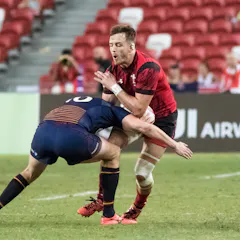
A decade of injury data shows lowering rugby’s tackle height cut adult concussions by more than a third – but not for schoolboy players.

Research suggests new headgear could reduce the overall collision ‘burden’ on players over a season or career, with potential benefits for long-term brain health.

E-bikes are surging in popularity worldwide. But in Australia, we don’t know how often they’re involved in injuries and deaths.

Concussion doesn’t just affect the brain, but the whole body. The interaction of the ‘heart-brain axis’ means that as the brain works to heal its injury, it puts extra stress on the heart.
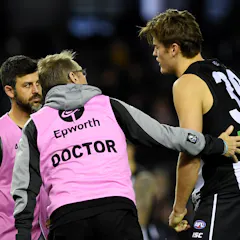
In a landmark Senate report, the government was urged to take a greater role in overseeing compliance of concussion rules across sports leagues. Details, however, were in short supply.
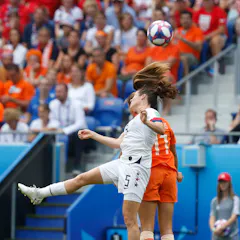
Football is starting to take concussion seriously – but there’s more to do.

Some First Nations women who sustain head injuries from family violence don’t access health care and support. We studied why and found one reason is a fear their children will be taken away.
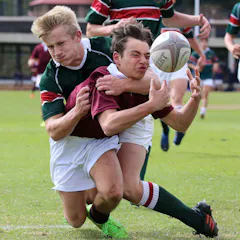
Young or old, men or women. All can be at risk of concussion while playing contact sport. Here’s what we know happens in the brain.
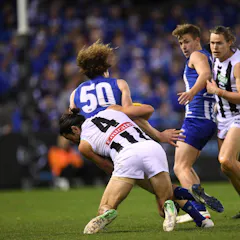
While much of the inquiry into concussions and repeated head trauma in sport will focus on professional players and leagues, local teams and young players should also look out for the findings.
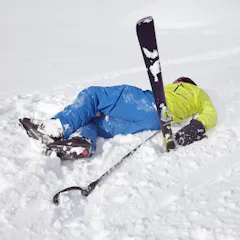
While high-profile concussions in the NFL have brought renewed attention to the gravity of head injuries, they can also occur on the playground or during junior varsity practices – with lasting effects.

Miami Dolphins quarterback Tua Tagovailoa was carried off the field during a game on Sept. 29 after his second injury in only a few days, raising questions about NFL concussion protocols.

Canadian researchers are exploring unanswered questions about concussion: How to diagnose it accurately and quickly, how to predict outcomes and promote recovery, and how to prevent it altogether.
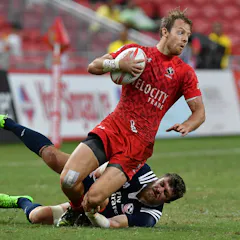
Our research, conducted on elite rugby players, may someday mean concussions can be diagnosed right on the pitch.
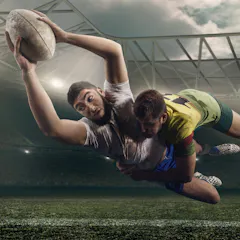
Thankfully treatment has moved on from the cold sponge of the amateur era. But brain damage continues to be a serious risk in many sports.

Cycling remains a leading example of athletes sacrificing their bodies for sporting glory.
Although a great deal of research is still required, it may one day be possible to identify and treat people either with CTE, or at risk of it.
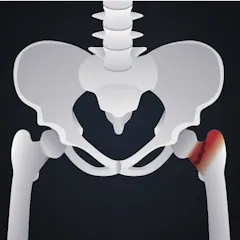
Every year, about 70 per cent of long-term care residents have at least one fall, and half of those result in injury. Wearable gear and changes to living spaces aim to prevent falls and limit injury.
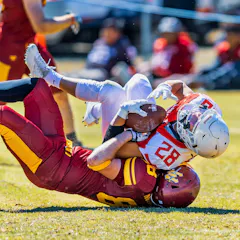
Every year, about 10 per cent of youth athletes experience a concussion. Research shows there are steps we can take to help prevent these injuries, but we can’t be afraid to make changes.

Usually people recover from concussions in a few days, or weeks at most. But 1-10% will still have symptoms three months later.
Top contributors
-

Senior lecturer in Sport, Exercise and Nutrition Sciences, University of Lancashire
-
Director of Sport, Exercise and Physiotherapy, University of Salford
-
NIHR Doctoral Research Fellow at the Hull York Medical School, University of Hull
-
Adjunct Associate Professor, College of Healthcare Sciences, James Cook University
-
Assistant Professor, Clinician Scientist (Physiotherapist), Faculty of Kinesiology, University of Calgary
-
Clinician-Scientist, University Health Network and Associate Professor, University of Toronto
-
Senior Clinical Psychologist, The Cairnmillar Institute
-
Associate Professor of Psychology, Drexel University
-
Senior Lecturer in Exercise and Environmental Physiology, University of Hull
-
Associate Professor (Research), Department of Neuroscience, Monash University
-
Program Director, Canadian Concussion Centre, and Professor of Neurosurgery, University of Toronto
-
Assistant Professor in Psychology, University of Bradford
-
Professor of Trauma Neurosurgery, University of Birmingham
-
Research Fellow, Department of Neuroscience, Monash University
-
Honorary Clinical Associate Professor, University of Glasgow