

Psilocybin could be an unexpected avenue for treating an injury that currently has few options beyond rest and symptom management.
Articles on Traumatic Brain Injury (TBI)
Displaying 1 - 20 of 69 articles

An expert in traumatic brain injuries explains why you need to protect your noggin.
At least 40,000 New Zealanders experience traumatic brain injury each year. New data challenges five persistent myths about who is affected and how it happens.

An estimated 22.5 per cent of people experiencing homelessness live with moderate or severe brain injuries — a rate nearly 10 times higher than the general population.

Explosions can damage brain cells and blood vessels even when scans look normal, leaving lasting symptoms that are often missed.
Some children recover better after traumatic brain injury than others, despite appearing similarly to doctors. Looking at the genetic and cellular level, however, reveal key differences.

Preventable injuries and deaths kill more Americans in the first half of life than any other cause, including cancer. Yet the programs aimed at addressing them have been gutted by CDC layoffs.

Professional boxers’ most dangerous opponent is often invisible: depression, brain injury, loneliness.
The SHIELD (Sleep, Head Injury prevention, Exercise, Learning, and Diet) mnemonic offers a clear and effective strategy for lowering dementia risk.
The New York City shooter who sought to attack NFL offices said he had a degenerative brain disease, called chronic traumatic encephalopathy, thought to be related to playing contact sports like football.

Incidents like this underscore the importance of advancing concussion detection, management and prevention strategies in high-impact sports like hockey.
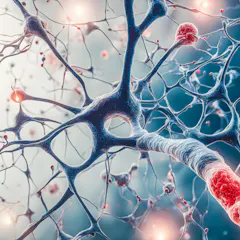
Addressing the harmful chemical processes that accompany blunt force trauma to the brain can reduce the risk of long-term disability.
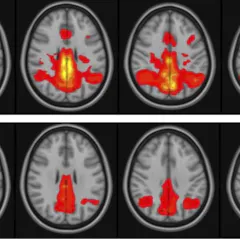
Concussion is considered a ‘mild’ injury, but effects can last a lifetime, especially with multiple impacts. Understanding their long-term effects can help predict who might develop neurodegeneration.
First Nations women are more likely than non-Indigenous women to experience traumatic brain injury from domestic violence. But they don’t always access health care.
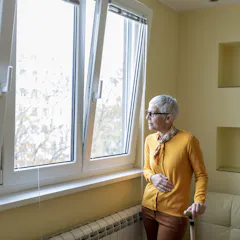
About half of those recovering from a stroke or a brain injury have spatial neglect. But prism adaptation therapy – noninvasive and easy to administer – can help.

Traumatic brain injury can have profound long-term impact, but care is often focused on immediate symptoms. Bill C-277 aims to develop a national strategy for treatment, rehabilitation and recovery.

The people manning the guns are also at risk of injury from the force of the weapon.

Concussions can teach researchers a great deal about how the brain recovers after injury and offer insights into how people can promote brain health throughout their lives.
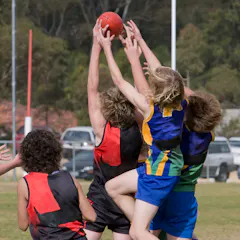
Chronic traumatic encephalopathy is often assumed to be a disease which develops later in life, but a new study clearly shows it can start early in the brains of young athletes.

Many concussions in soccer occur when two players compete to head the ball. But extra technique training, modifying how we play the game, and more ‘red cards’ help cut the risk.
Top contributors
-

ARC DECRA Fellow, Institute for Culture and Society, Western Sydney University
-
Assistant Professor, Faculty of Law, Bond University
-
Research Fellow, UNSW
-
Bjorn Borgen Professor of Mechanical Engineering and Director of the Center for Traumatic Brain Injury, University of Wisconsin-Madison
-
Adjunct Associate Professor, College of Healthcare Sciences, James Cook University
-
Professor, Electrical and Computer Engineering, McMaster University
-
Neuroscientist, The University of Queensland
-
Senior Lecturer in Sport and Fitness, The Open University
-
Vice Chair, Department of Neurology, University of Florida
-
Professor of Human Development and Family Studies, Colorado State University
-
Professor, Faculty of Kinesiology & Health Studies, University of Regina
-
Lecturer in Psychology, University of Salford
-
Professor, Clinical & Health Psychology and Neurology, University of Florida
-
Assistant Professor, Clinician Scientist (Physiotherapist), Faculty of Kinesiology, University of Calgary
-
Emeritus Professor in Public Health, University of Sydney