

For those who need it, Adderall and other stimulants can be game-changing medications that help restore the chemical imbalances underlying ADHD. But for those who don’t, these drugs can be harmful.
Articles on Stigma
Displaying 61 - 80 of 174 articles

You can make an enormous difference by asking someone the right questions and being there for them.

The mass casualty commission report into the Nova Scotia mass murders outlines the perpetrator’s history of sexual abuse toward sex workers and what should be done to prevent it from happening again.

Mental health still carries significant stigma in Ghana.
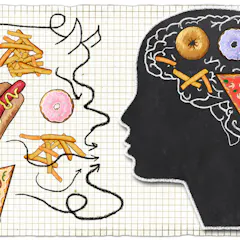
The mortality rate of people with eating disorders is six times higher than the general population, and they are five times more likely to attempt suicide. However, few people seek treatment.

There is a dire need to prevent child sexual abuse in Canada. It is critical to intervene early, and provide those at risk for offending with support through an anonymous helpline, as well as therapy.
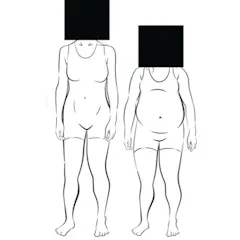
While excess weight arises from a complex interplay of genes, environment, diet and activity, new research finds Americans hold parents responsible for excess weight in their kids.

Under South African law, girls have the right to continue their schooling through and after their pregnancies.

Although chronic pain is recognized by scientists as a disease in its own right, it remains largely under-recognized, under-diagnosed and, above all, associated with numerous prejudices.

The next step in HIV prevention — long-acting injectable pre-exposure prophylaxis (PrEP) — is not yet available in Canada, a year after its approval in the U.S.

Prejudice and stigma can discourage the communities most affected by infectious diseases from seeking care. Inclusive public health messaging can prevent misinformation and guide the most vulnerable.

A UK survey found most long COVID sufferers have experienced discrimination, prejudice or shame related to the condition.
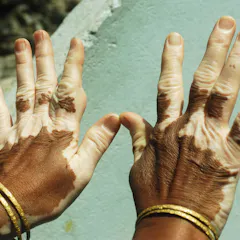
The Nigerian government should enact policies and laws against discrimination and stigmatisation for chronic illnesses like vitiligo.

Men, older adults, people with language barriers and racial and ethnic minorities are less likely to be screened for depression.

A scholar of law and humanities compares bans on dogs with any pit bull genes to “one drop” laws that once classified people with even a single Black ancestor as Black.

What might seem like ‘normal’ social greetings among many Asian communities can be felt as stigmatising for unmarried and childless women.

The recent suicide of Mandeep Kaur highlights how women of Sikh heritage can face shame and stigma.

The term ‘MSM’ allows public health interventions to gloss over the social, political and cultural complexities of identity. But it’s not without its limitations.
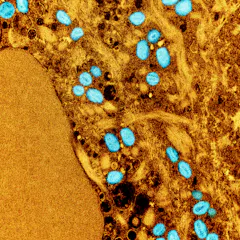
Monkeypox is not considered an STI but is spreading among sexual partners. Adding sexual health strategies to the public health response is helpful, but there is a danger of stigmatizing MPXV.

Engaging in open and honest dialogue with the public to increase understanding of health inequities has never been more important.
Top contributors
-

Associate professor, Psychiatry, Western University
-
Senior Research Fellow, Melbourne Institute of Applied Economic and Social Research, The University of Melbourne
-
Principal Research Fellow, Australian Research Centre in Sex, Health and Society, La Trobe University
-
Research Director at The Health Economics and HIV and AIDS Research Division (HEARD), University of KwaZulu-Natal
-
Professor, School of Health Sciences, University of Northern British Columbia; University of Victoria
-
Professor of Health Economics, The University of Melbourne
-
Professor of Gender Studies, Chair in Sex Media and Sex Cultures, Linköping University
-
Professor of Sociology & Director, Sydney Centre for Healthy Societies, University of Sydney
-
Reader in Gender Studies, Liverpool John Moores University
-
Foundation Director, Australian Centre for Behavioural Research in Diabetes, Deakin University
-
Professor of medicine and deputy director of the Desmond Tutu HIV Centre at the Institute of Infectious Disease and Molecular Medicine, University of Cape Town
-
Health Systems Researcher, Makerere University
-
Post-doctoral research fellow, University of KwaZulu-Natal
-
Associate Professor, The University of Melbourne
-
Senior Lecturer in Psychiatry, UNSW