
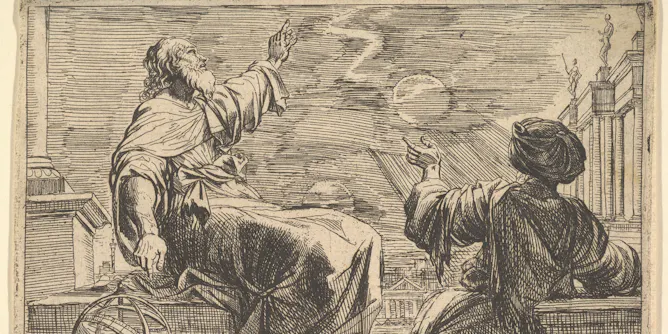
Romans could predict eclipses, but still interpreted them as signs from the gods.
Articles on Superstitions
Displaying 1 - 20 of 38 articles

Do you dry your hair before going out to avoid catching a cold? That’s even if you know viruses are the real cause? Here’s what’s going on.
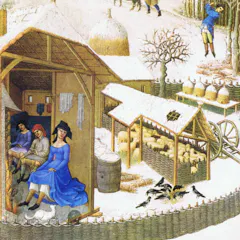
The Middle Ages weren’t as dreary and desperate as you’d think, and peasants often had weeks of idle time during the holidays. On Christmas Day, the party was just getting started.

The victims in more than half of all the ritual murders reported in Ghana and Kenya were children.
Our new research found behaving superstitiously could benefit us psychologically, even if we know it has no real effect on the outcomes of our actions.
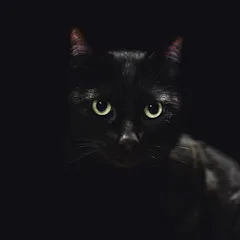
The scariest thing about a black cat may be the way superstition and tradition shape people’s perceptions and prejudices about animals based solely on their color.
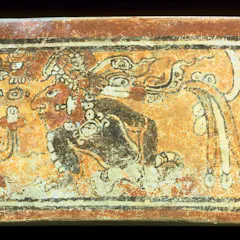
Broken mirrors can be associated with bad luck, but for the ancient Maya, a cracked mirror was often desirable.
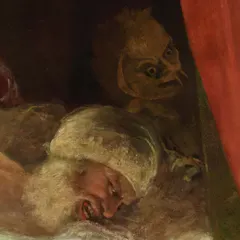
The Enlightenment saw science and rational thought replace the religious superstitions of the previous century, and demons became metaphors for the human struggle between good and evil.
Ghosts can be spooky fun, but there’s no evidence they exist.
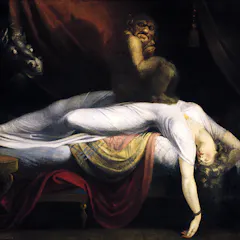
A raft of horror films remind us of the grip troubled sleep once had on our imaginations.

Superstitions have a role in helping hockey fans and players feel more in control of the game.
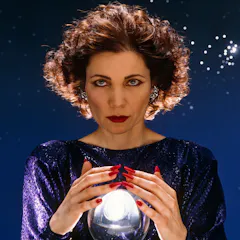
Critics of superstition have often painted openness to magical interpretations as weakness or moral failing.

An anthropologist explains why we all have some irrational beliefs and the reason they give us comfort.

A sociologist unpacks how common superstitions like fear of 13 can gain steam.
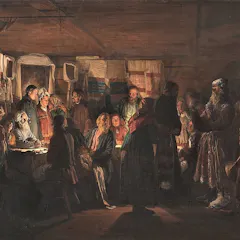
The idea of a ‘witch’ was usually female in Western Europe, but not so in Orthodox Russia – partly because of the period’s rigid social hierarchies.

Phallic graffiti was more than just funny in Roman Britain.

In the 1960s, the Catholic Church sought to downplay demonic possession, but its views since then have changed.
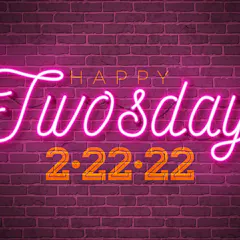
Numerology ties in with how our brains work, but that doesn’t mean its claims make sense.
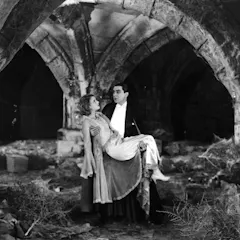
The past century’s vampires have often been a bit dashing, even romantic. That’s not how the myth started out.
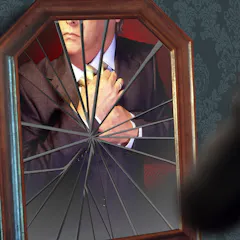
In both ancient Greece and the Roman Empire, reflected images were thought to hold mysterious powers. Damaging a mirror was believed to invite the wrath of the gods.
Top contributors
-

Distinguished Professor Emeritus of Sociology, University of South Carolina
-
Professor in Applied Cognitive Psychology, Manchester Metropolitan University
-
Senior Lecturer and Researcher in Cognitive and Parapsychology, Manchester Metropolitan University
-
Assistant Professor of Slavic Languages and Literatures, University of Virginia
-
Astrophysicien, Professeur des Universités, Université Paris Cité
-
Professor of Anthropology, Middlebury College
-
Professor in Modern and Contemporary Literature, Northumbria University, Newcastle
-
PhD Candidate in Classical Studies, The Open University
-
Associate Professor, Department of HIstory, University of Dayton
-
Lecturer and Researcher, Murdoch University
-
Professor of History, Iowa State University
-
Lecturer in Astronomy, Nottingham Trent University
-
Associate Professor of U.S. History, University of British Columbia
-
Associate professor, University of Groningen
-
Acting Director of Research, Reader in Global Development, Newcastle University