
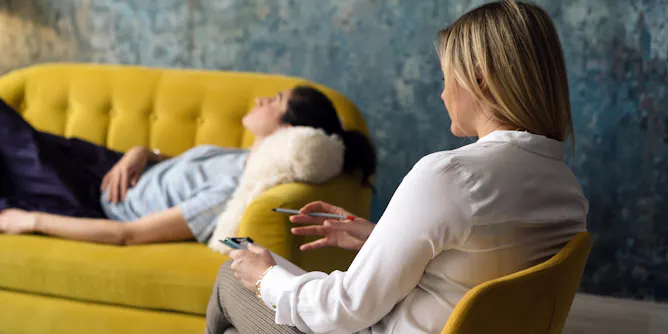
The psychiatrist used to have to stay with the patient during their entire session. Now they’ll be able to leave the room after administering the drug.
Articles on Therapeutic Goods Administration
Displaying 1 - 20 of 47 articles
Anxiety, psychosis and paranoia are among adverse events people are reporting after using higher-strength medicinal cannabis, according to a new study.
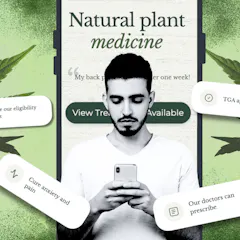
Put on your legal glasses for a moment. Then take our quick quiz to see if you can spot how this medicinal cannabis website bends the rules.
More people are accessing medicinal cannabis than ever expected, or the health system was designed for. And we’re failing patients.

Is vitamin B6 safe? How much is too much? And will I still be able to buy my supplement over the counter?

No wonder consumers are confused about whether sunscreens actually work. Here’s what’s behind the latest news.
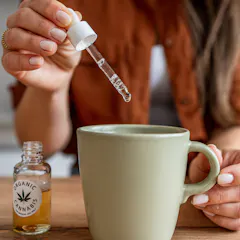
Medicinal cannabis scripts are rising and reports of side effects are likely an underestimate. Here’s what we know about the risks.

The Therapeutic Goods Administration is recommending extra safeguards for two ingredients and a sunscreen ingredient by-product.
Long-anticipated changes to how Australians buy paracetamol are on their way in a bid to reduce harms. Here’s what’s changing.
Aggressive and misleading marketing is fuelling demand for medicinal cannabis. Here are some of the ways clinics bend the rules.
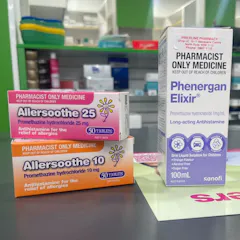
Commonly used antihistamines in young children can lead to serious side effects including hyperactivity, aggression and hallucination. But there are safer alternatives.

Excluding pregnant women from drug trials is standard. But medication use during pregnancy has gone up, and many women are using drugs ‘off-label’ – in ways that haven’t been clinically tested and approved.
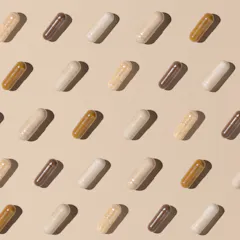
There are no vitamin patches listed on the Australian Register of Therapeutic Goods and there’s not enough evidence to show they work better than tablets.

From July 1, authorised psychiatrists will be able to prescribe MDMA and psilocybin in some circumstances. Here’s what we’re excited and concerned about.
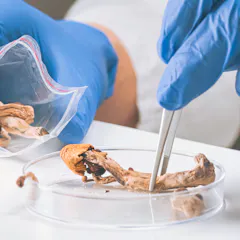
Australia is the first country in the world to legalise the medical use of psychedelics. But without a public subsidy, few Australians will be able to afford them.

The risk of a severe allergic reaction when pholcodine is combined with common medicines used in anaesthesia has lead to their recall in Australia.

If the crisis worsens, more people will ask, how did this happen? The answer will be simple: governments made good laws, but they did not enforce them.
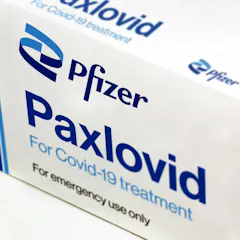
Paxlovid is one potential COVID drug for use at home. The idea is these can potentially be prescribed at the first sign of infection to prevent serious illness and death.
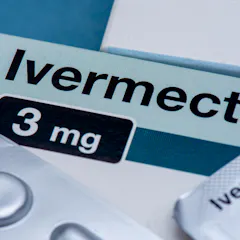
Side-effects for this unproven and potentially dangerous treatment range from vomiting and diarrhoea to seizures and a coma.

Whipping cream canisters contain nitrous oxide, which some people use to get high. But going ahead with a proposal before the TGA to ban them altogether would be an overreaction.
Top contributors
-

Professor of Pharmaceutical Chemistry, Macquarie University
-
Health activist, Medreach Pty Ltd., Bond University
-
Associate Professor, School of Law, University of Canberra
-
NHMRC Postgraduate Scholar and Fulbright Alumna in Public Health Policy, Monash University
-
Associate Professor of Pharmacology, University of Sydney
-
Professor and Deputy Director, Monash Addiction Research Centre, Monash University
-
Pharmacist and PhD Candidate, University of Sydney
-
Head of School and Dean of Pharmacy, University of Sydney
-
Adjunct professor, Department of Health Policy & Management, George Washington University
-
Pharmacist and PhD Candidate, University of Sydney
-
Professor of Public Health, La Trobe University
-
Professor in Pharmaceutical Policy, School of Pharmacy and Charles Perkins Centre, University of Sydney
-
Biomedical Science/ Law student, Monash University
-
Associate Professor, Urogynaecology Royal Brisbane and Women's and Wesley Hospitals Brisbane, The University of Queensland
-
Tobacco treatment, UNSW