

Singing does something measurable to your body and brain, whether you are alone, harmonising in a choir, or singing with your friends at a karaoke bar.
Articles on Vagus nerve
Displaying all articles

Keeping a tiny brain area called locus coeruleus functioning properly may stave off symptoms of Alzheimer’s disease and keep the aging brain healthy

The trend has little direct research, but studies on light, heat and relaxation show why it might help some people.
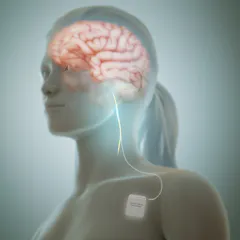
Slow breathing and cold plunges promise calm. But real vagus nerve treatments are more complex and still under study.

From humming and ice baths to medical implants, the vagus nerve is everywhere. But what does it actually do and can you really reset it? Listen and watch the Strange Health podcast to find out more.

Normally, breathing happens automatically. But we can control our breath, by directing the movement of our diaphragm and mouth. And the benefits are significant and wide-reaching.

You likely know that the sight and smell of food can trigger cravings. But internal cues from your gut and your brain play just as important a role in the decisions you make around food.

People claim humming can do everything from bust stress to clear congested sinuses.

The sympathetic nervous system produces our fight-or-flight response to any perceived threat. The vagus nerves are part of the parasympathetic nervous system, which does the opposite.

Most of the time, different parts of your nervous system work in balance. But sometimes things can get out of whack – and that’s when you might end up experiencing what medics call syncope.
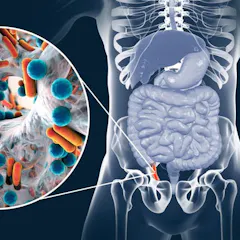
A number of contradictory studies have found a link between Parkinson’s and having your appendix out.
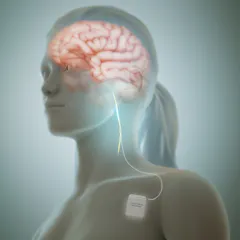
In the near future, your doctor might prescribe electricity for what ails you.
By focusing on one nerve, researchers have found a way to vastly improve chronic patients’ health and wellbeing.

From ‘power poses’ to yoga poses, varying claims have been made about their effects on our health and happiness. But why do they work at all?
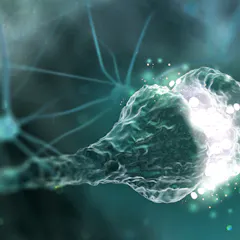
Neuroscientists are questioning how it is that physical matter comes together to make the mind.

The discovery that the nervous system plays a crucial role in the immune response may lead to new treatments for bacterial infections.
Top contributors
-

Associate Professor of Medical Sciences, University of Wollongong
-
Professor of Cerebrovascular Neurology, School of Medicine and Population Health, University of Sheffield
-
Professor and Personal Chair, Swansea University
-
Senior Lecturer, Queen Mary University of London
-
Senior Lecturer in Psychology, Goldsmiths, University of London
-
Senior Lecturer, Clinical Psychology, University of Wollongong
-
Clinical Lead, Emotional and Mental Wellbeing Strategy, RPB, Swansea University
-
Associate Professor of Health and Sport Science, University of Dayton
-
Associate Professor of Behavioral Neuroscience, Michigan State University
-
Professor, Faculty of Society & Design, Bond University
-
Emeritus Professor of Applied Statistics, The Open University
-
Post doctoral researcher, Bond University
-
Senior Lecturer, School of Psychology and Neuroscience, University of Bristol
-
Commissioning Editor, Health + Medicine and Host of Strange Health podcast, The Conversation
-
Lecturer, University of Cambridge; Anglia Ruskin University