

Scientists are creating additional robotic arms, legs and thumbs to push the boundaries of what can be achieved by the human body.
Articles on Wearable technology
Displaying 1 - 20 of 86 articles

Smartwatch users should be wary of relying too heavily on these devices’ algorithmic measurements.
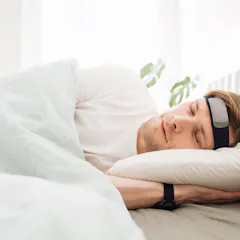
My new study poses nine vital questions for children growing up in the ‘brain-as-interface era’.
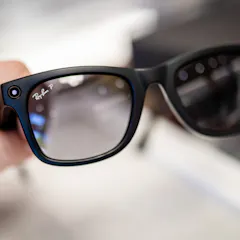
Cheap camera glasses make covert filming easier than ever. But NZ law may leave gaps when the resulting footage is sexualised or shared online.
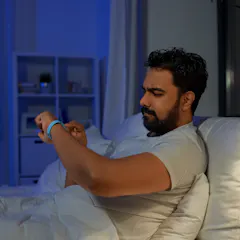
Your smartwatch or ring promises to tell you how well you slept. But how?

Just 2 layers of materials commonly used in biomedical labs can mimic the electrical properties of human skin.

Ray-Ban Meta smart glasses are equipped with a camera and powered by AI. Are the current privacy policies sufficient when it comes to the use of wearable cameras in public spaces?

A new study reveals strengths and weaknesses of the gadgets we use to monitor our lives.
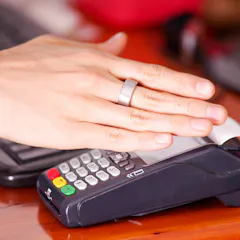
What are the benefits and drawbacks of putting smart technology into a ring?
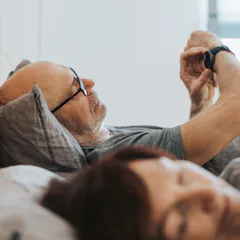
Tiny fluctuations in the time between each beat of your heart can provide clues about how much stress your body is experiencing.

Smartwatches could provide an extra line of defence to help us keep COVID and other infectious diseases at bay. Here’s what the evidence says.

About one in five Aussies currently own a wearable fitness tracker of some kind. Yet many people doubt their effectiveness. Let’s see what the research suggests.
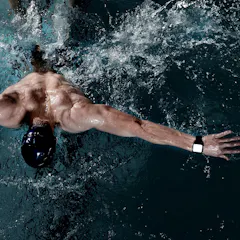
The future of wearable technology holds limitless potential for elite athletes to optimize and enhance their athletic performance.

The government of Ontario’s announcement of funding of a wearable contact tracking device for workplaces raises concerns about privacy and surveillance.

Wearables already monitor our physical health – is it time for them to track our mental health too?
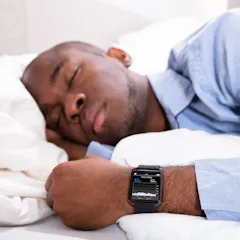
Despite the appeal of sleep trackers, they could cause unwanted anxiety for some.

Researchers are developing tattoo inks that do more than make pretty colors. Some can sense chemicals, temperature and UV radiation, setting the stage for tattoos that diagnose health problems.

Fitness information like resting heart rate collected by wearable devices can’t diagnose diseases, but it can signal when something is wrong. That can be enough to prompt a COVID-19 test.
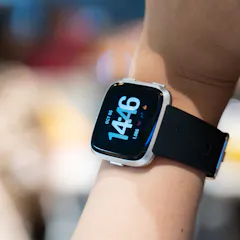
The watchdog has voiced concerns over the proposed US$2.1 billion merger, from which both users and Australian health services could lose out.

Smartphone apps and wearable devices can tell when workers have been within six feet of each other, promising to help curb the coronavirus. But they’re not all the same when it comes to privacy.
Top contributors
-

Professor of Sociology (retired), Lancaster University
-
Senior Lecturer in Design Interactions, Lancaster University
-
Professor of Organisational Behaviour, Bayes Business School, City St George's, University of London
-
SHARP Professor, Vitalities Lab, Centre for Social Research in Health and Social Policy Centre, and the ARC Centre of Excellence for Automated Decision-Making and Society, UNSW
-
Senior Lecturer and Researcher in Innovation and Digital Leadership, University of Brighton
-
Associate Professor of Research, Embodied Design and Wearable Futures, University of Southern Denmark
-
Associate Professor of Health and Sport Science, University of Dayton
-
Associate Professor, Informatics and Operations, Kingston University
-
Professor, The University of Melbourne
-
Doctoral Student in Computer Engineering, Boston University
-
Associate Professor of Education, University of Connecticut
-
Associate professor, Monash University
-
Senior Lecturer, School of Computer Sciences and Electronic Engineering, University of Essex
-
Chancellor's Professor of Medicine, Liberal Arts, and Philanthropy, Indiana University
-
Assistant Professor, University of Colorado Boulder