

A new method that uses a simple air sample and the power of a dog’s nose makes it easy to check shipping containers for trafficked wildlife.
Articles on Wildlife trade
Displaying 1 - 20 of 54 articles
Emerging digital tools can help authorities prioritize inspections and rapidly identify illicit goods by linking online monitoring, legal references and on-the-ground investigations.

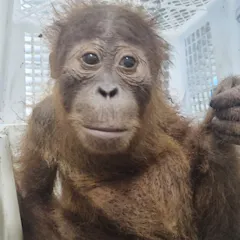
Great apes are hugely popular with the public at zoos, but a dark illegal trade is affecting the survival of these much-loved animals.
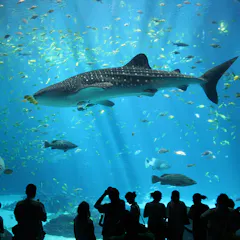
Sharks have had a tough time since the 1970s, when overfishing, habitat loss and a growing trade in their fins began to cut their populations. ‘Jaws’ didn’t help.

We know very little about reptiles compared to other species, and it affects our attitudes to their welfare.
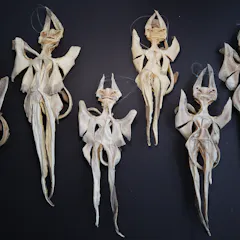
They look like devils and hence are called pez diablo in Spanish, but these demonic objects are dried and mutilated versions of living rays known as guitarfish.

African pangolin exploitation might be motivated more by local demand for meat than international demand for scales.
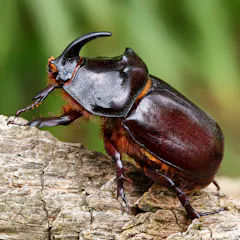
Wildlife trafficking extends to areas like ant smuggling and illegal trade
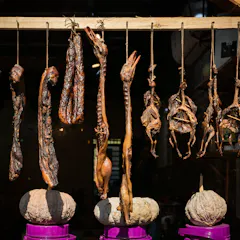
How can the benefits and risks of wild meat consumption be balanced to protect human health, wildlife and the environment?
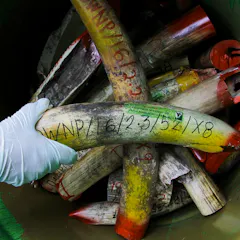
Wildlife trade bans can encourage buyers and sellers to trade in similar species that haven’t been banned but may still be endangered.
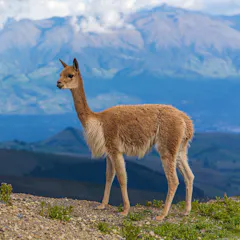
A global convention to control wildlife trade across 184 countries has encouraged conservation action but hasn’t entirely stopped illegal sales.

Understanding the number and origin of animals entering a country is important to control the health and ecological problems imported wildlife can bring.

South Africa urgently needs to adopt a streamlined and interconnected approach to wildlife trade law at the provincial, national and international levels.

A review of the impact of parrot farming on conservation of wild parrots shows that consumer demand for the birds must be reduced.
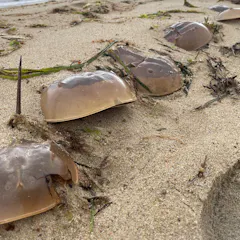
Analysis of thousands of patent applications sheds new light on hidden wild harvests.

The behaviour of modern humankind has played a large part in the advent of new communicable diseases.

Formerly one of the world’s largest markets for tiger bone, new research sheds light on the current situation in South Korea.

Pangolins are among the most trafficked and poached mammals in the world.

About 8,000 lions are being held in facilities across South Africa. In some cases, a legal operation is plugged into an illicit trade network.

New research exposing the surprising scale and diversity of Australia’s invertebrate pet trade online highlights the need for better regulation to protect our wildlife and manage biosecurity threats.
Top contributors
-

Director of the Wildlife Crime Research Hub, Australian Research Council Industry Laureate Fellow, Adelaide University
-
Visiting Research Fellow, Manchester Metropolitan University
-
Senior Research Fellow, Oxford Martin Programme on the Wildlife Trade, University of Oxford
-
Senior Lecturer of Criminology, Nottingham Trent University
-
Senior Research Fellow, Conservation Science and Policy, University of Oxford
-
Professor of Law and Environmental Justice, Anglia Ruskin University
-
Research Associate, Fitzpatrick Institute of African Ornithology, University of Cape Town
-
Postdoctoral research fellow, Adelaide University
-
PhD Student, Adelaide University
-
Ph.D. student at the Invasion Science & Wildlife Ecology Group, Adelaide University
-
Visiting Research Fellow, Manchester Metropolitan University
-
Research Fellow in Conservation Marketing, University of Oxford
-
Research Associate, Department of International Relations, University of the Witwatersrand; Chief Research Officer, Good Governance Africa; Managing Director, Harvey Economics Pty Ltd.
-
Oxford Martin Fellow, Research Associate, Illegal Wildlife Trade, University of Oxford
-
Investigadora Doctora en Etología y Bienestar Animal, Universitat de València