
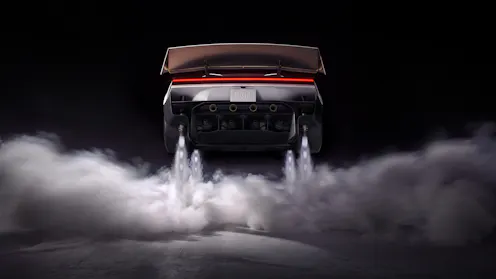
In an age where AI can create an image of everything and anything, verifying the truth is becoming much harder.
Arts + Culture – Articles, Analysis, Comment
Displaying 51 - 75 of 6773 articles
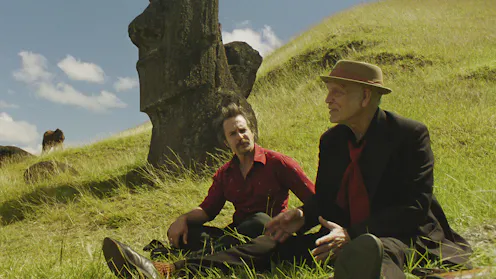
One of the film’s many pleasures is its detailed presentation of Easter Island.
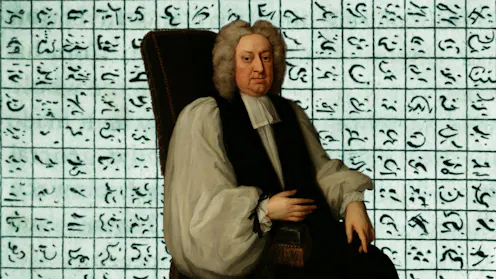
On Gulliver’s third travel he meets the Projectors who have come up with a device that is surprisingly similar to our modern large language models.
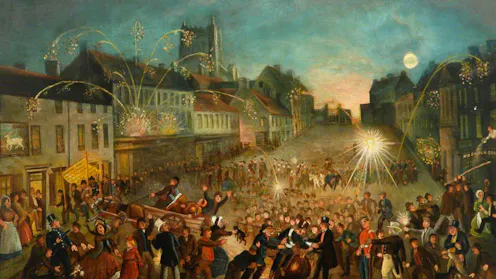
The ritualised burning of the debris of the year can be dated back to pre-Christian times. Food was always an important part of the merrymaking.
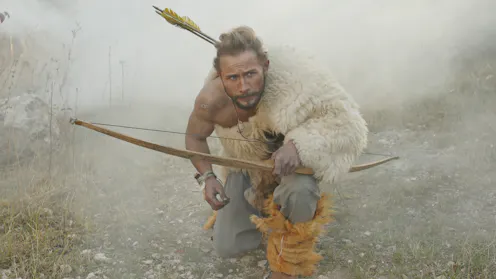
The small size of some stone-age arrow heads from Denmark suggest they were used together with poisons.
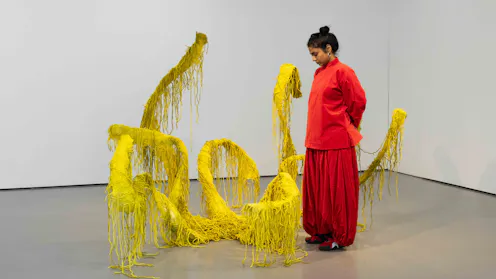
Felting is one of humanity’s earliest craft techniques.
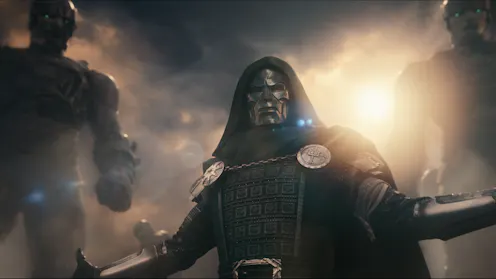
When Doctor Doom proclaims himself a genius and the only person who can save humanity, he’s usually right.

Some hotels are linked to writers’ lives. Others have become part of the stories readers cannot forget.
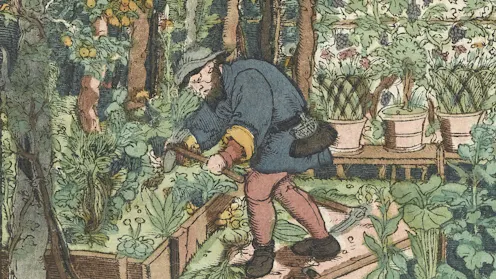
Medieval writings show that monks were early ecologists, caring for the land, and using plants for food and medicines.
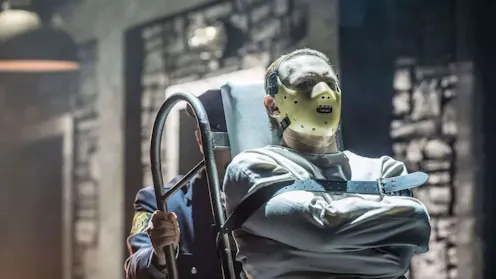
The forensic psychiatrist with a hankering for human flesh makes his stage debut in a production that stays faithful to the original, albeit with a few updates.
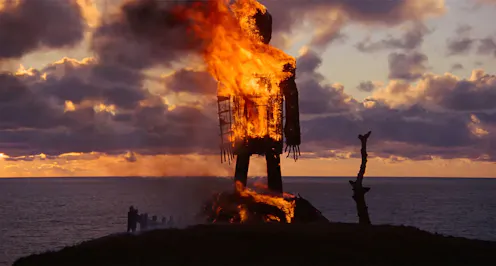
Memories endure, histories resurface, places retain physical traces of the past, and forgotten possibilities continue to shape our understanding of the world.
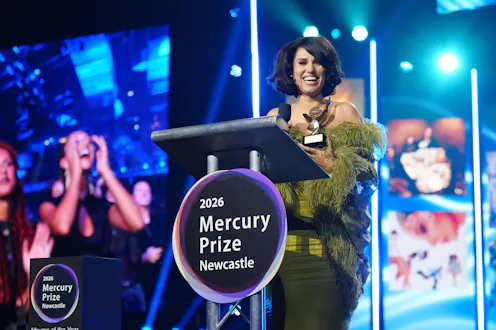
For years Raye struggled to be allowed to do her music her way. Then she decided to do it independently and the rest is musical history.
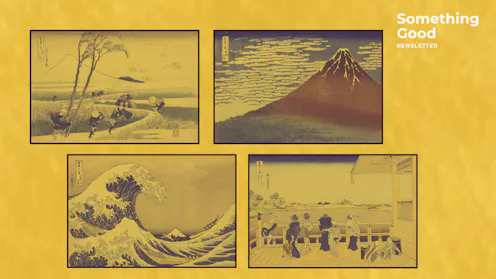
The 45 other paintings in Hokusai’s Mount Fuji series, an exhibition featuring rotund humans, another about home and two books bringing women’s lives to fore.
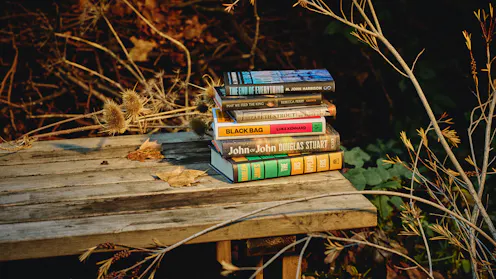
There’s comedy, there’s politics, there’s history, there’s queerness and there’s drama. The 2026 shortlist is packed full of goodness.
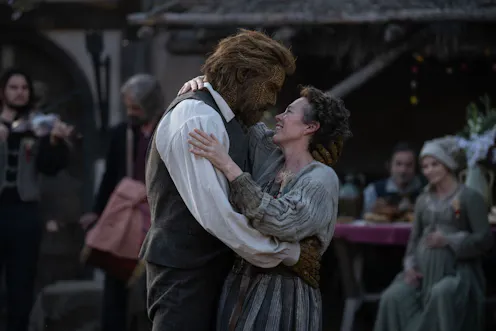
Monster romances like Wicker reveal how our cultural ideas about intimacy, desire and romance are being reimagined.
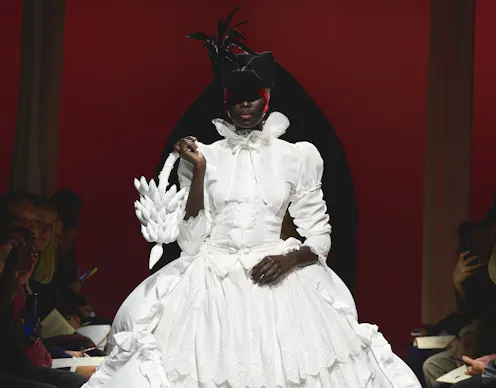
The work of these designers offers a vivid picture of modern Britain, shaped by overlapping cultures, communities and histories.
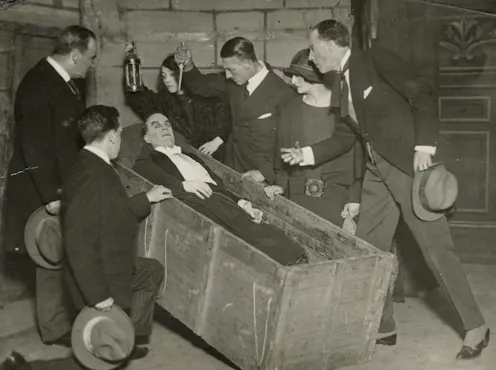
Before germ theory, the Victorians had another name for contagion: Dracula.
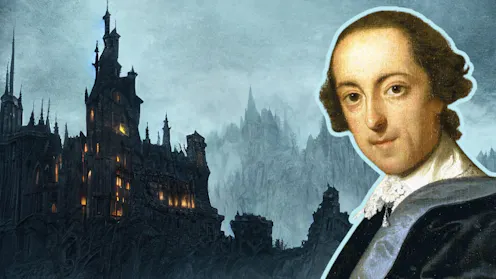
Threateningly ill-defined buildings, enough for our imagination to fill in the gaps, seem to be the ideal catalyst to spark terror.
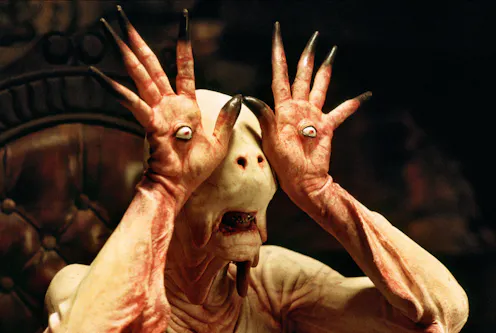
Censorship, and the rebellious ways art can respond to it through potent symbolism, are central to the film.
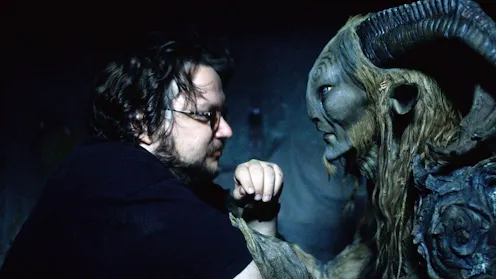
Del Toro’s imagery remains as powerful and arresting as it was 20 years ago.

It seems every week there’s a new ‘core’ or ‘maxxing’ style to contend with.
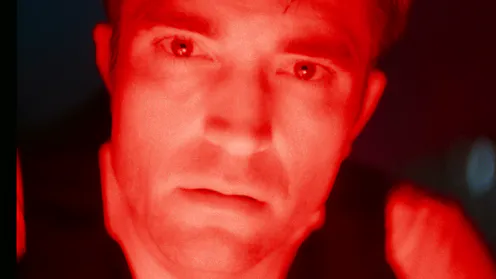
The film reveals how easily the pursuit of justice can become a form of exploitation, and the responsibility the audience bears for the entertainment it consumes.
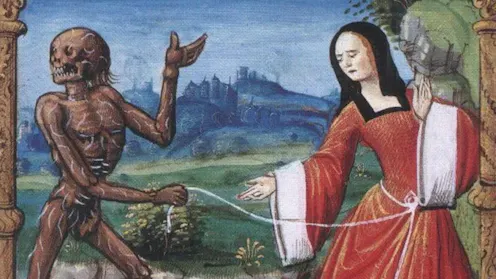
Medieval ghosts shapeshifted, rose from their graves, and begged for help in making amends for their misdeeds.
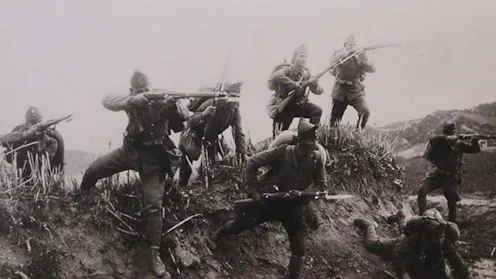
Siân Valvis has managed to artfully translate this series of stories with skill and sensitivity, maintaining their cultural ruggedness and power.
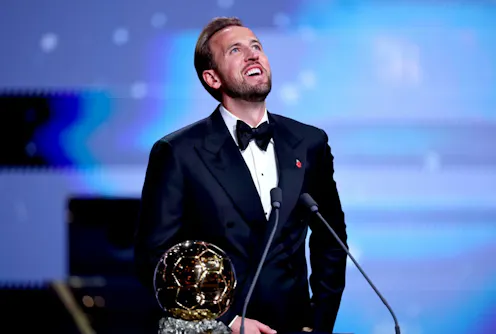
Harry Kane represents a hard grafting and unshowy sportsmanship many would like to see as the future of football.