
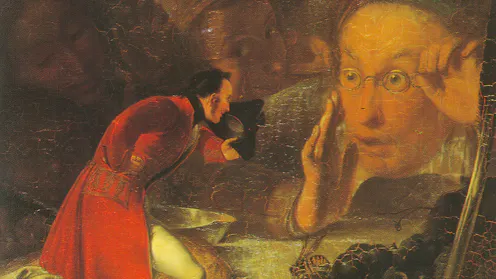
Travel to England made Swift feel like an oppressed Irish colonial subject while at home he felt like a powerful civilising cog of that same empire.
Arts + Culture – Articles, Analysis, Comment
Displaying 76 - 100 of 6773 articles
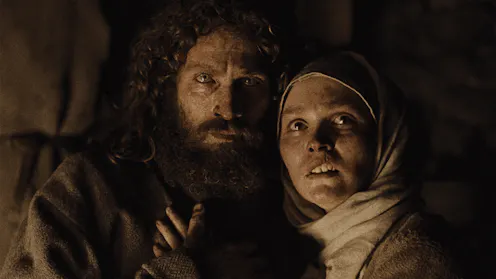
In 1590, a pamphlet was printed describing the life, trial and brutal execution of Peter Stumpp, a German man accused of being a werewolf.
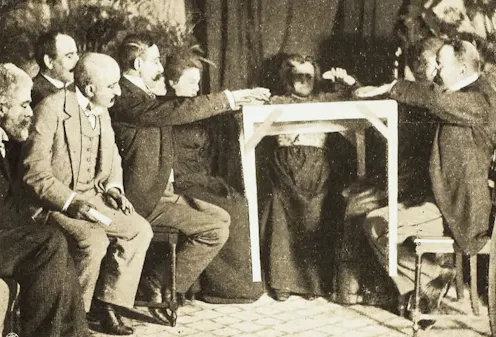
The very technologies that transformed Victorian commerce and entertainment also helped make ghosts visible, reproducible and profitable.
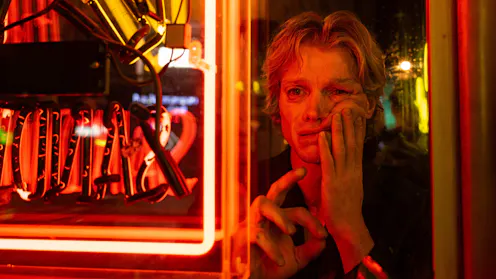
Clayface has some memorable moments, but can’t quite reach the brilliance of the body-horror classic, The Substance.
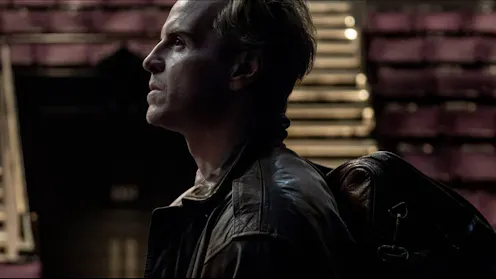
This year’s festival showcased a slate of exceptional films, but there were a few big director misfires too.
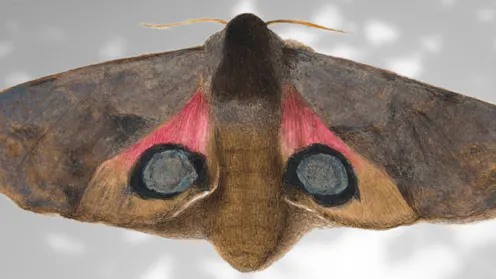
Moths are much less weird and way more wonderful than most people think.

Provocation became a currency for profitability, but what did this rebellion actually change – who benefited and who remained excluded?
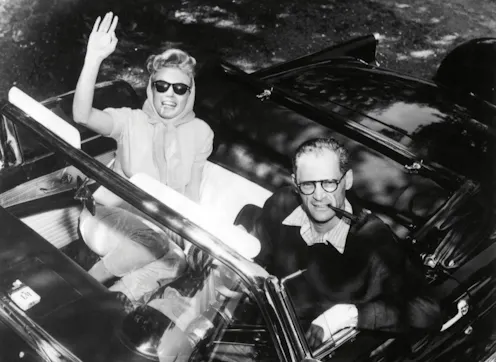
At the height of America’s ‘red scare’ witch-hunts, Miller, whose play makes a martyr hero of the husband, was having an affair with Marilyn Monroe.
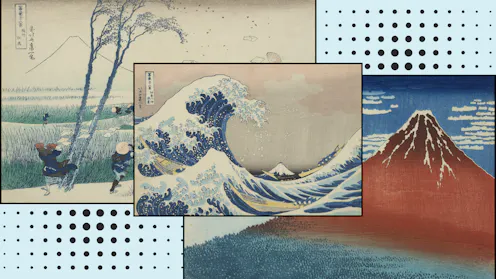
The prints create a story that expands our understanding of the now famous Great Wave.
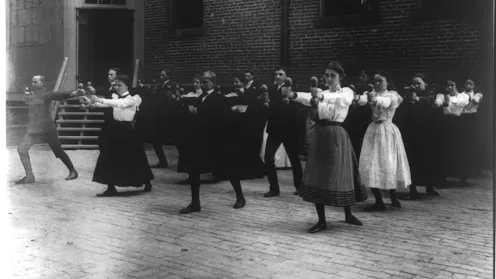
Just as fitness trends have changed, so too have the reasons behind why people exercise.
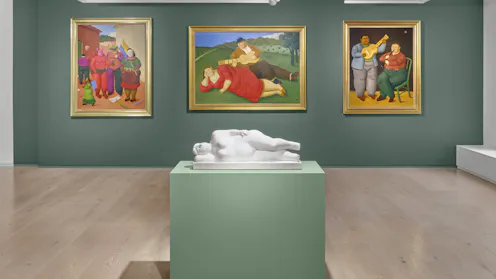
Botero realised that changing the proportions of an object altered how it was perceived.

Autumn wreaths are now decorating many front doors, as part of a new trend.
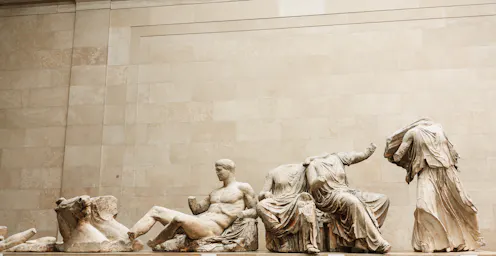
Who should have control over not only how artefacts move but are understood?
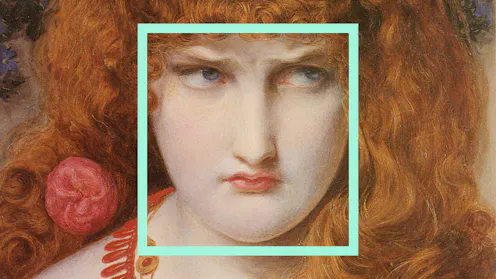
Complex emotions can be perceived in painted faces.
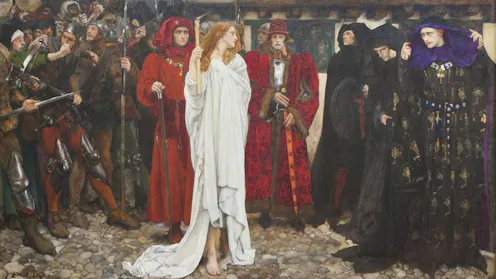
Historical women are remembered through reputations they never chose – we need not pass them on uncritically.
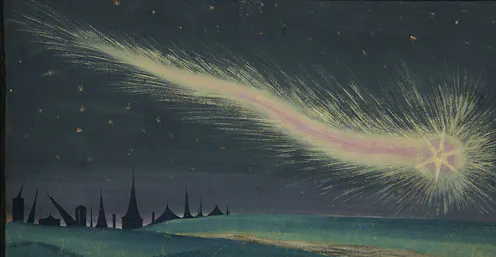
The sudden appearance of such a bright comet must have made a deep impression on those who witnessed it.

What cicadas, shepherds and an ancient Greek monster reveal about our place in nature.
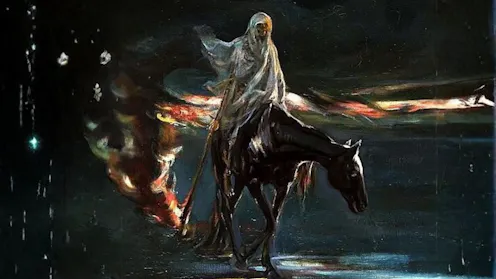
The Royal Society was Britain’s principal scientific institution and some of its fellows were dabbling in the investigation of spirits.
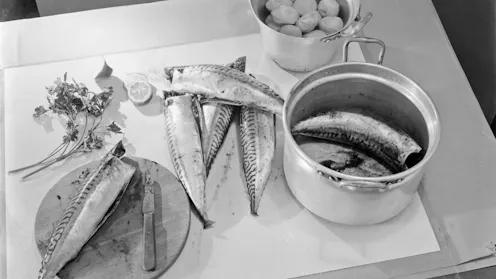
Britain’s limited appetite for fish is often assumed to be a long-standing cultural norm. Recipes published in a Good Housekeeping suggest otherwise.
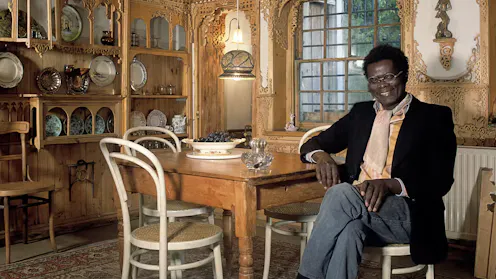
These forms of radical living, whether individual choices or wider movements, were born of dissent.
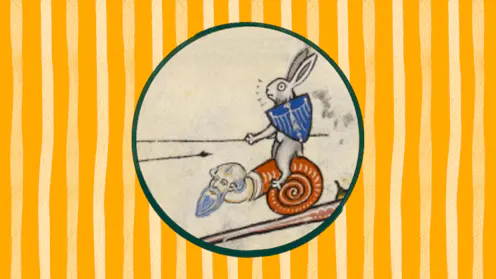
Once the preserve of the aristocracy, rabbits became commonplace by the end of the Middle Ages as the world was turned upside down after the arrival of plague.
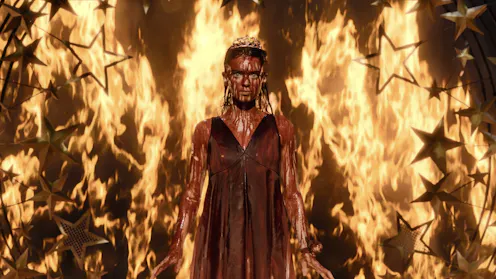
This is the fourth screen adaptation of Stephen King’s debut novel.
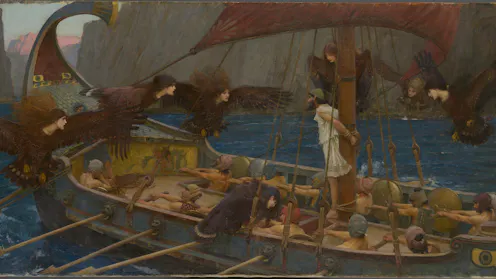
The fear of the feminine has led the patriarchy to cast women as monstrous across time and culture.
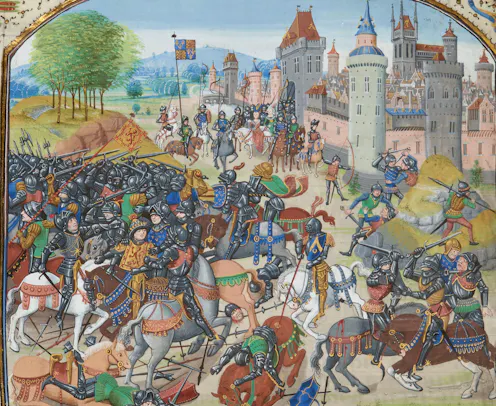
Why is the battle of Neville’s Cross (1346) one of the least publicly known but decisive battles in English history?

I believe that it is part of a previously unidentified major arterial Roman road connecting modern Pembrokeshire with Ceredigion to the north.