
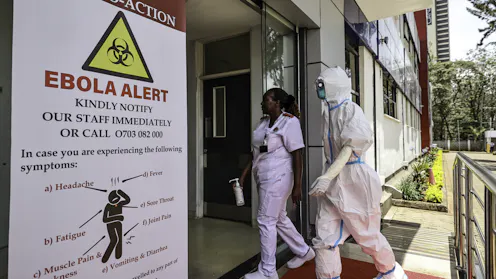
The DRC outbreak has passed 10,000 cases. Here is why UK health officials rate the risk to Britain as low, and how Ebola differs from COVID.
Health – Articles, Analysis, Comment
Displaying 51 - 75 of 7588 articles
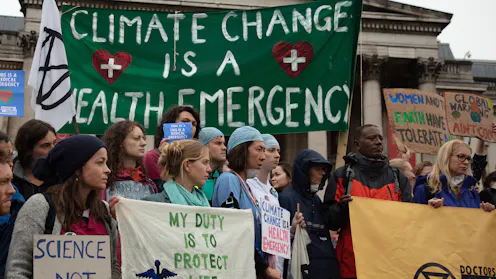
The 2026 Lancet Countdown reveals the growing health toll of extreme heat, while references to climate and health in UN speeches have declined.

From beef tallow to claims that sunscreen causes cancer, Strange Health investigates anti-SPF trends and what the science says about protecting our skin.
Shared experiences and success stories can make unapproved weight-loss drugs seem trustworthy. Here’s what research on social identity reveals.
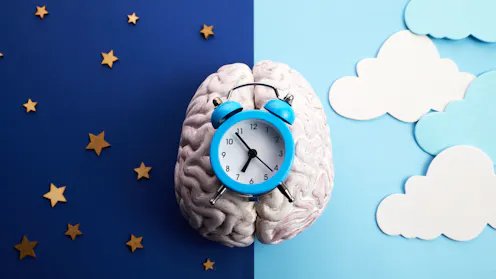
Research shows that disrupted body clocks can affect mood. A circadian rhythms researcher explains how sleep, light and meal timing influence mental health.

Same-sex behaviour is common in animals, but a bull and a male donkey in Ethiopia are an unusual pair. What might they tell us about sex in nature?
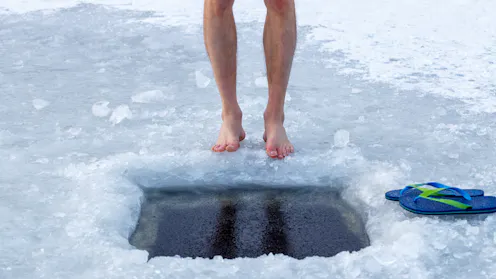
Pain feels immediate, but our brains draw on past experiences to interpret bodily signals. This may help explain why pain can persist after an injury heals.
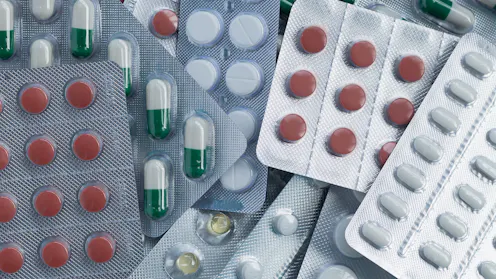
Some allergy tablets make you sleepy and slow your reactions, others barely affect you. Here’s why – and what to check before you buy.
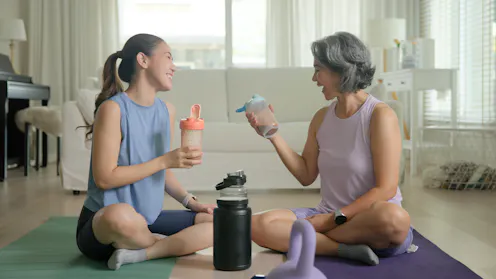
The brain needs a lot of energy. Without a sufficient supply, mood and mental health may be affected.

Flipping photos upside down usually exposes a bias in how we see women’s bodies. A weak current to the forehead made it disappear.
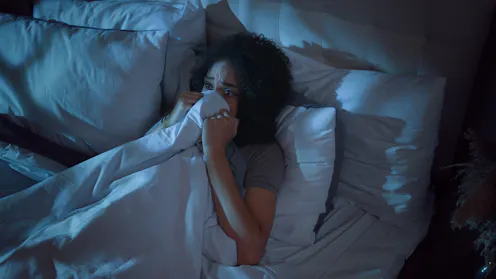
The boundaries between sleep and wakefulness can become blurred.
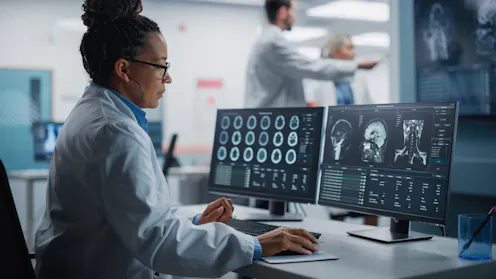
MRI can detect tiny changes in the brain, yet conditions such as epilepsy and migraine may leave no visible trace. Here’s what brain scans can and cannot tell us.
In fact, genes, bones and muscle decide your bottom shape, and hormones only matter slowly, around menopause.

The condition causes pain in the chest that can worsen with movement, deep breaths and coughing.
Food cravings may signal an attack already under way so that something eaten before the pain can wrongly take the blame for triggering the migraine.

Your brain is perfectly capable of turning your own reflection into something monstrous.
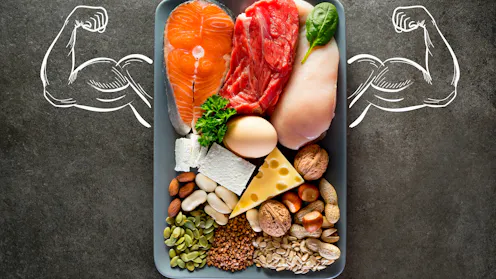
Extra protein can support muscle growth, but its benefits depend on what you already eat and whether you challenge your muscles.
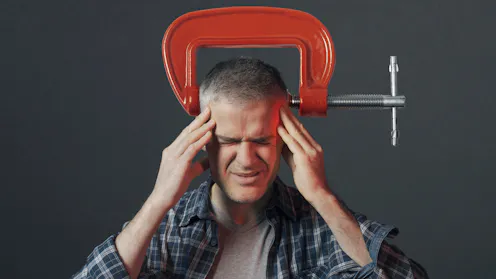
Strange Health explores the science behind viral migraine hacks with neuroscientist Amanda Ellison, who experiences migraine herself.
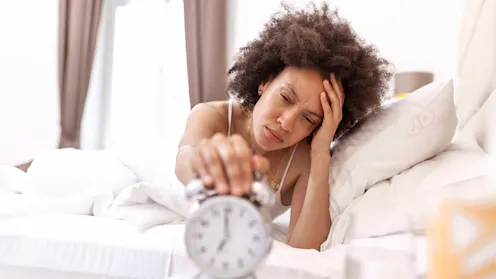
A new study suggests that sleep patterns may be linked to how people respond to antidepressants, raising the possibility of more personalised treatment.
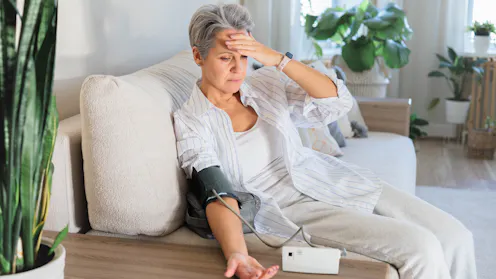
COVID’s impact on health can persist long after the initial infection.

A new Netflix series has revived interest in the Stanford prison experiment. Zimbardo and Milgram’s flawed studies still leave a question unanswered.

As the clocks go back and daylight dwindles, our sleep, mood and appetite can change. Here’s what science reveals about the winter slump.

A few small changes to your daily routine can help you cope better during the winter months.
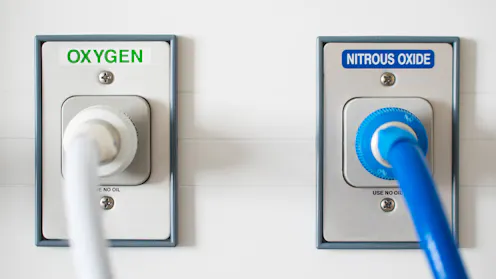
Birth involves emissions from travel, pain relief and disposable products, but system-level changes can reduce them without restricting choice.
Being told you don’t have a serious disease is not always a relief. Research explains why: diagnoses shape how people experience and make sense of their suffering.