
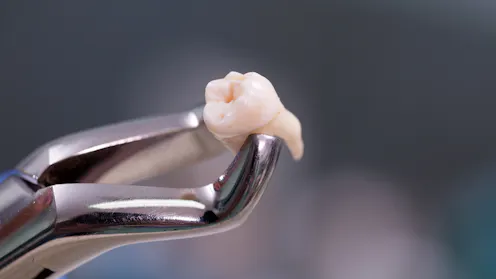
Teeth can turn up in the nose, the sinuses and even the eye socket. Here’s how they end up there, and what happens when they need to come out.
Health – Articles, Analysis, Comment
Displaying 101 - 125 of 7588 articles
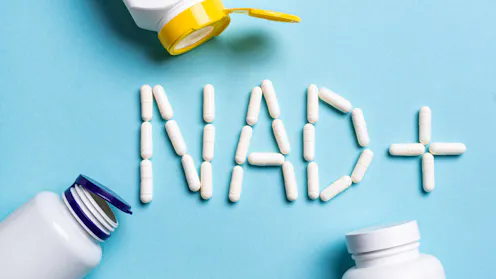
The supplement industry has a new favourite molecule: NAD+. Scientists are interested too, but evidence of its anti-ageing benefits in humans remains limited.

The Strange Health podcast is back for season two, investigating cottage cheese, sunscreen scares, pimple popping and the health questions you want answered.

Healthcare students need more than knowledge. Learning through play can give them a safe place to make decisions, get things wrong and try again.

Poppy Russell’s death was preventable. Her parents’ campaign shows why listening to women and supporting empathy is essential to safer maternity care.
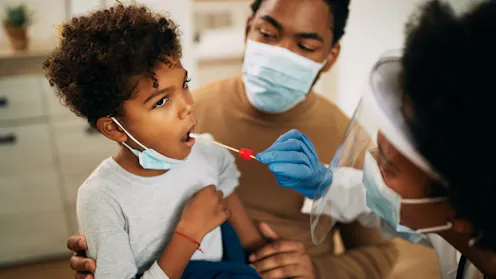
Many of the genes our study identified were involved with immune responses.

Tasks such as writing, dressing and PE can demand far more effort, leaving some children tired, anxious and less active.

Researchers are steadily developing more and more capable devices for restoring vision to people with blindness.

An autism or ADHD diagnosis can transform how people understand themselves. But better mental health support is needed both before and after diagnosis.

This connection could explain why foods which are good for gut health can also be beneficial for our muscles.

Opt-out organ donation was meant to boost the supply of organs for transplant. New figures suggest that isn’t the case.

Meal prep can be useful. By following these tips, you can also ensure your meals are safe.
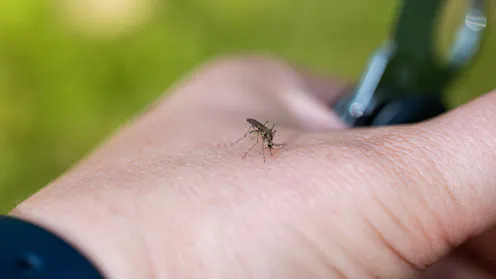
Doctors outside malaria zones often don’t think to test for it, while symptoms, rapid tests and drug resistance can all complicate diagnosis and treatment.

Florence Buchanan helped transform the study of the nervous system, yet no authenticated portrait of her was known until now.

Hospital journeys can be costly, exhausting and hard to plan. The timing and location of appointments can determine whether lower-carbon travel is possible.

The availability of treatment, rapid testing and contact tracing mean the outlook of plague is very different today.

Parasitic worms have evolved a way to calm the immune system, and scientists want to copy it.

Growing up in disadvantaged circumstances is linked to higher death rates decades later, according to a review of 102 studies involving 8.5 million people.

Reading draws on brain systems involved in language and imagination. Studies are exploring how it relates to wellbeing and understanding others.

Why do smokers get Parkinson’s less often? New evidence from half a million adults in China points to carbon monoxide, not smoking itself.
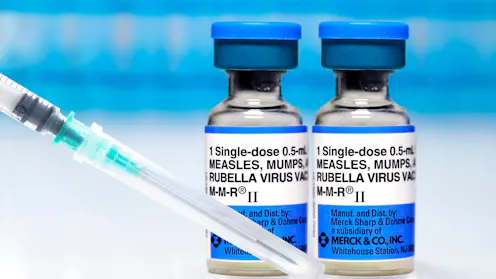
Pennsylvania counts five measles deaths this year, the CDC two. Without an agreed definition, the confusion hits hardest where vaccination rates are lowest.
Effective treatment means people with HIV can live long lives and cannot sexually transmit the virus when undetectable, yet stigma persists.
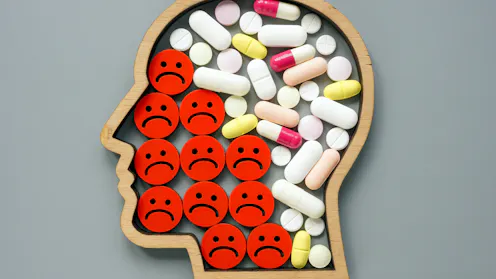
Antidepressant tachyphylaxis describes the loss of a treatment response that was once effective. Here’s what scientists know so far.

England and Denmark are both wealthy, welfare-minded nations – so why is one catching dental problems early, and the other catching up?

Removing endometriosis does not always relieve pelvic pain. Other conditions and increased sensitivity in the nervous system may help explain why.