

Canada’s accelerated approach to mining raises major concerns for both the environment and Indigenous rights.
Environment + Energy – Articles, Analysis, Comment
Displaying 251 - 275 of 1780 articles

Tax avoidance and profit-shifting are leaving African countries without the resources they need to meet their development goals.

Schools should provide students with the know-how to challenge our throw-away culture and empower them to become conscious consumers.
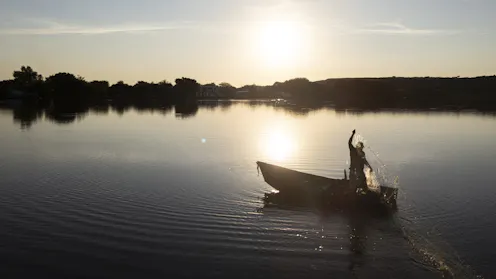
Nearly 30 per cent of the world’s population lives in coastal areas. A changing climate and biodiversity loss represent an unprecedented threat to these ecosystems.

Researchers have detected highly pathogenic avian influenza in 41 at-risk bird species across all 10 Canadian provinces.

Gates recently called for a ‘strategic pivot’ in climate strategy. That appears to have hit a nerve.

Tequila’s manufacturing process consumes huge amounts of energy, water and agrochemicals. While some make lots of money, those who harvest the crops make significantly less.
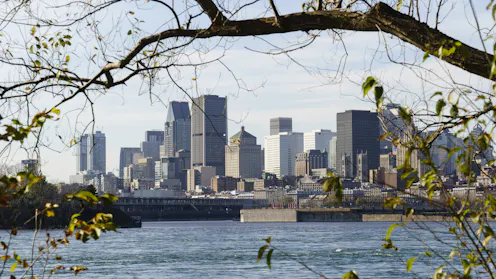
Urban green spaces should be better managed to provide places too cool off for the most underserved communities.

For decades, banks have presented themselves as leaders in sustainability. Yet, their outsized digital carbon footprints tell a different story.

The threat to kill the belugas as a solution to its economic woes, while shocking, reflects the ethical emptiness of the Canadian legal system when it comes to animals.

Satellites can be used to independently monitor emissions, helping to better understand emissions in regions where ground-based or other data are lacking.

Illegal wildlife trade is one of the largest criminal activities in the world and some black markets are growing each year. Canada’s response remains inadequately prioritized and under-resourced.
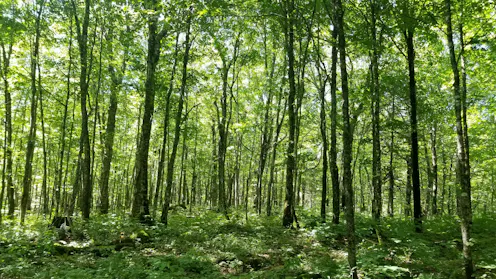
Maple forests aren’t spreading north as quickly as predicted.
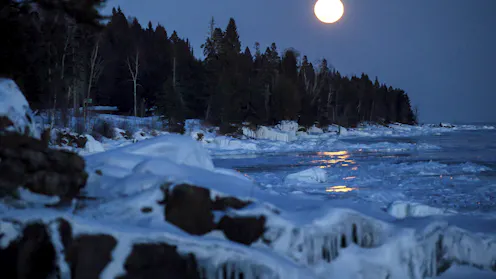
Warming winters are impacting lakes globally. However, most monitoring in the Great Lakes occurs during warmer, calmer weather. A new report highlights how policymakers can improve winter monitoring.

Leveraging political hot topics can make crowdfunding campaigns more successful. A recent proposed ostrich cull garnered a lot of attention from high-profile people.

Wildfires are not just environmental events. They are public health crises that demand stronger, more resilient health systems.

The PeatPic Project used over 3,700 smartphone photographs from 27 peatlands in 10 countries to gather data about how climate change is impacting them.
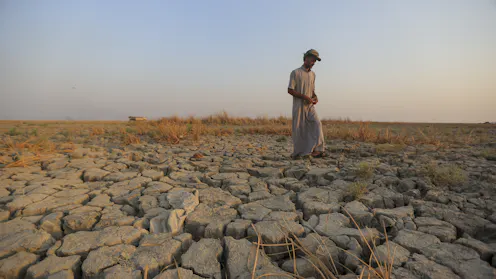
From drought to soil degradation and environmental pollution, why does society overlook the most impactful disasters?
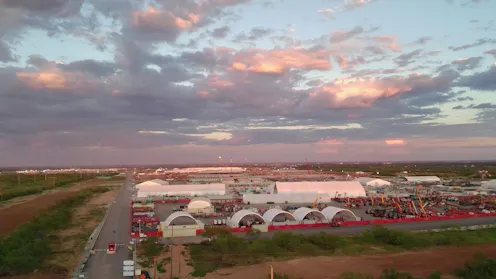
As AI shifts from text to video, its appetite for power and water soars, presenting a climate-policy issue.

Climate action no longer seems to be a priority for Prime Minister Mark Carney, despite his previous activism. This is bad news for Canadians and the climate.
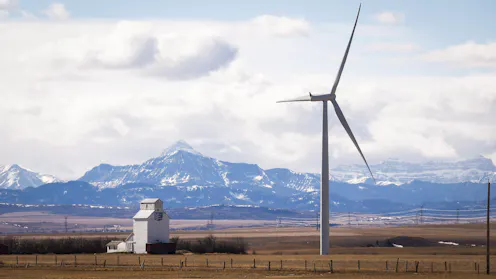
An equitable net-zero transition requires promoting regional competitiveness while ensuring no place is left behind.

A new AI-powered simulation model allows researchers and architects to design well-ventilated indoor spaces that keep harmful smoke away.

With federal departments facing budget cuts, protecting the Prairies’ waters will require a nimbler, collaborative model.
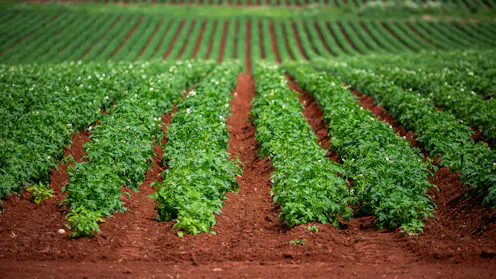
Researchers have developed a tool that allows farmers to quickly and affordably test soil samples, get results in real-time, and obtain fertilizer recommendations.

People with schizophrenia made up almost 16 per cent of deaths in B.C.’s 2021 heat dome. Their experiences show why cooling must be treated as a right, not a privilege.