
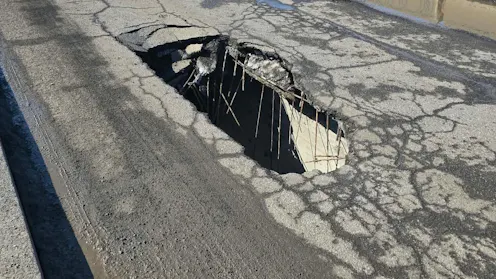
To ensure the safety of Canada’s aging infrastructure, policymakers must be proactive instead of reactive.
Environment + Energy – Articles, Analysis, Comment
Displaying 176 - 200 of 1780 articles

There is a gap in international law protections when dangerous toxins are released due to attacks on sites like fuel depots.
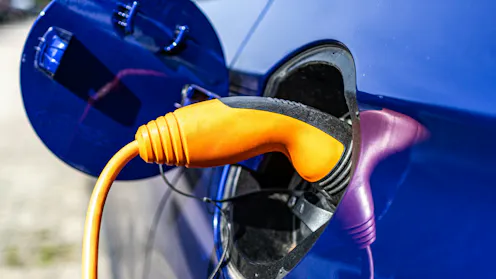
Solid-state batteries offer a promising new solution for electric vehicles, reducing the risks of spontaneous combustion when batteries are damaged or overheating.
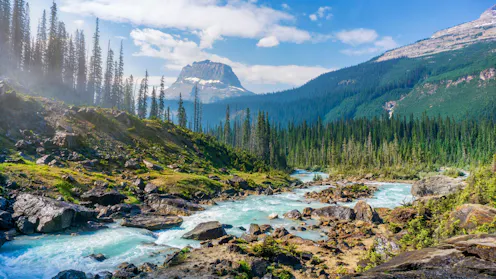
The neuroscience is in: When we spend time in nature, it has a cascade of positive effects in our brains.
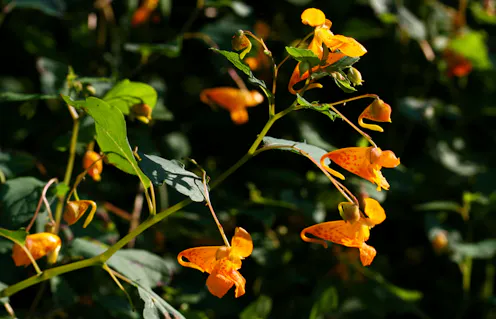
Genetic signatures help uncover the echoes of the past events in the histories of jewelweed populations, and understand their genetic implications for conservation.
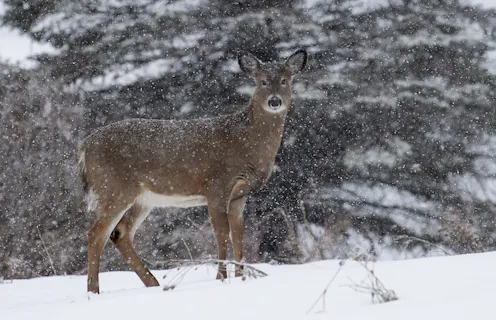
Joint research conducted by INRS and the Abitibiwinni First Nation shows how traces of DNA in the snow make it possible to track wildlife without disturbing it.
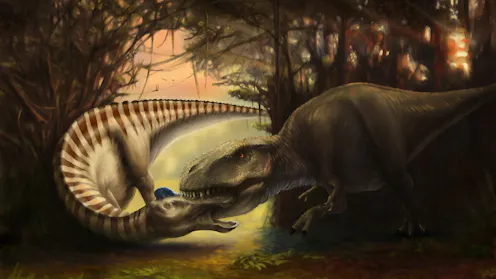
A tooth fragment found in the skull of a fossilized dinosaur sheds light on the Tyrannosaurus rex’s feeding habits.
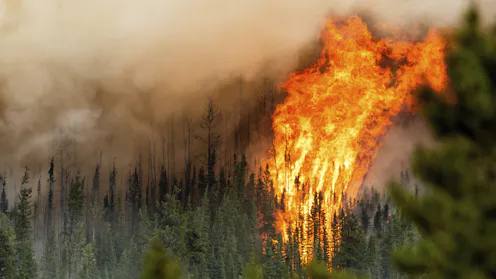
Wildfires disproportionately impact Indigenous communities. Over the last four decades, 42 per cent of wildfire evacuations across Canada have been of Indigenous communities.
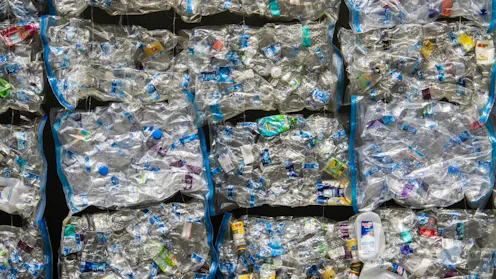
Instead of treating plastic purely as waste, new research shows that it can be transformed into something useful — acetic acid, a key component of vinegar and an important industrial chemical.

Memorials, monuments, preserved school buildings and found objects form part of a memory culture that keeps conversations about risk reduction going.

A new study isolated DNA from the tumours of 500 cats across 13 different tumour types and mapped the sequence of 1,000 genes often found mutated in human cancers.
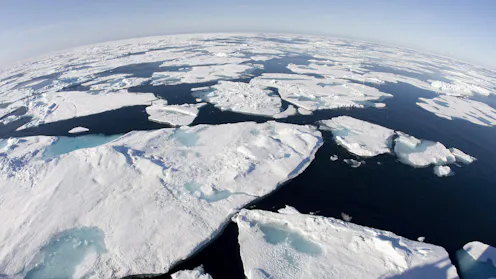
For decades, ECCC research scientists have been integral to the work of the Arctic Monitoring and Assessment Programme.

Japanese macaques are smart social animals. We expect that Punch will be able to learn how to find a place in his monkey group.

Climate change is altering not only how much snow falls, but where snowpack persists and how long it lasts.

China accounts for more than 80 per cent of global battery production. It’s highly unlikely the U.S. can reduce China’s role in the production and processing of critical minerals.
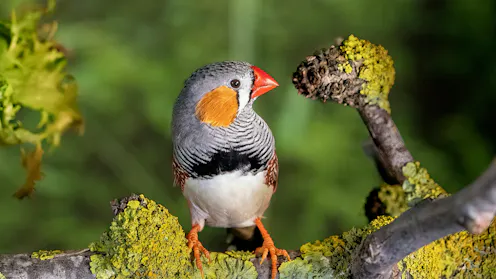
Researchers observed male zebra finches to see if they would follow the flock when building a nest, or stick to their own preferences. It may help us think about conformity in our own species, too.
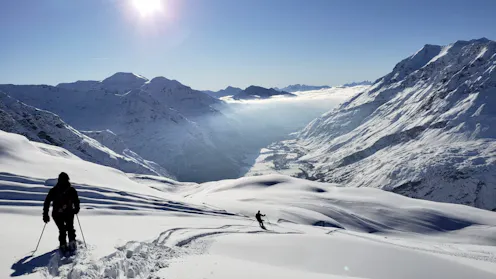
Avalanches continue to claim victims despite preventive measures. Why do some skiers take the risk off-piste?

Modern engineering practices explicitly design concrete to be more resilient to earthquakes, but older buildings predate such practices. That makes them especially vulnerable.
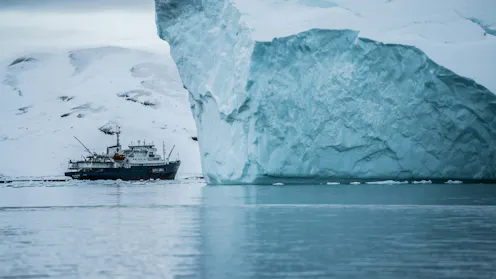
Human activity from ships, snowmobiles, machinery and aircraft is contributing to making Arctic waters louder.

U.S. withdrawal from transnational environmental agreements presents other countries in the Americas with the opportunity to chart a new course.

Whether capturing them on film, containing them in amusement parks, or subjecting them to scientific experiments, our curiosity about whales and dolphins has compelled us to capture them out of the ocean.

The initiatives put in place by the organizers for the Milano Cortina Winter Olympics are an encouraging first step, but they remain insufficient.

This year, UNESCO will conduct a fact-finding mission to decide on Wood Buffalo National Park’s World Heritage status.
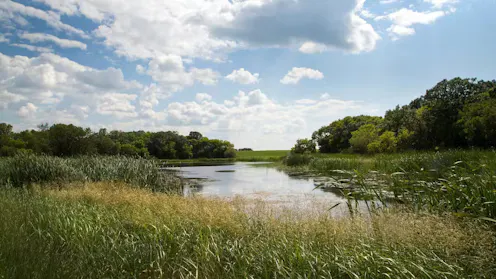
Some tout wetland drainage as providing numerous benefits, including reducing emissions. This assertion is not supported by science.

While gene editing offers benefits for animal agriculture, regulatory approvals raise questions about transparency, consumer choice and democratic oversight.