

The federal government’s role in disaster management has been to provide some funding. However, that limited role can lead to poor co-ordinaton.
Environment + Energy – Articles, Analysis, Comment
Displaying 76 - 100 of 1780 articles
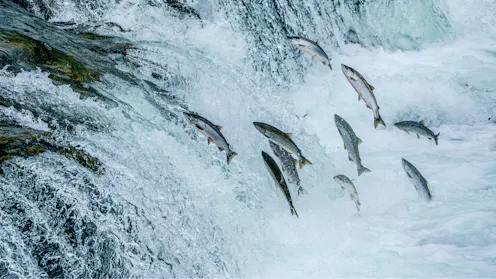
Biodiversity policies fail because governments lack the safeguards, accountability mechanisms and political commitment needed to implement them consistently.
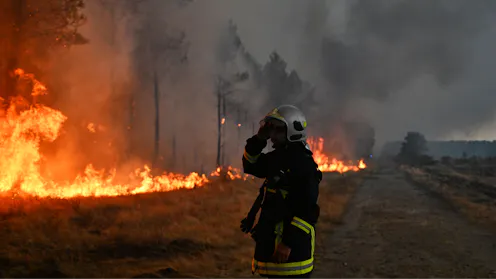
Wildfire smoke does not carry a passport. Canada cannot thin, log, rake or prescribe-burn its way out of a planetary crisis.
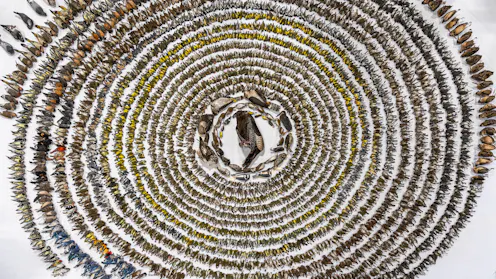
In Canada, tens of millions of birds are killed annually by crashing into glass on buildings.
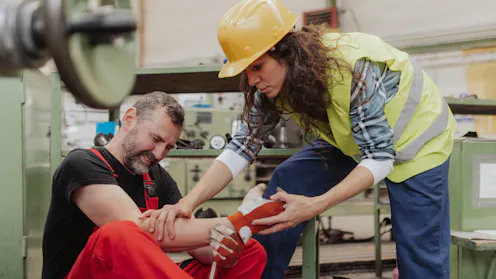
High temperatures raise the risk of everyday workplace injuries, yet Canada still has no common standard to protect workers from extreme heat.

A resilient food system requires connecting affordability, trade, food safety, biosecurity, regional infrastructure and preparedness before the next disruption.
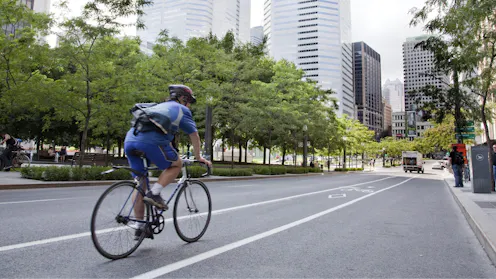
Researchers found that neighbourhoods with more children, older adults and racialized people were usually further away from bike infrastructure.

A newly proposed pipeline to B.C.’s coast promises tens of thousands of jobs and billions in GDP growth. But falling Asian oil demand and a track record of cost overruns complicate the picture.

Buying more planes will not help Canada tackle wildfires if there is not a thought-out plan for their use well ahead of a fire.
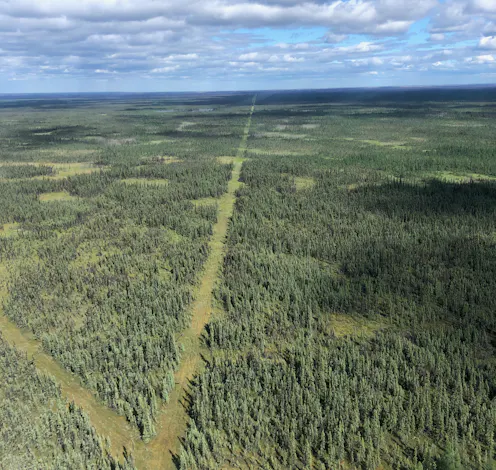
Seismic lines fragment forests and alter their ability to act as habitats and provide climate change mitigation benefits.
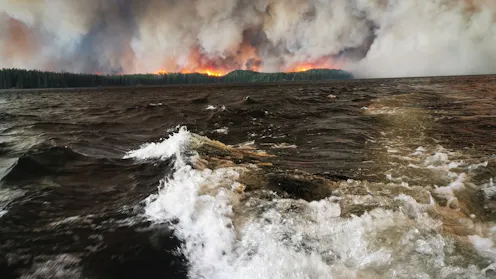
A speedy response to wildfires is essential when a fire is moving fast, but speed becomes a hollow metric when First Nations aren’t involved in managing the emergency.

Reform needs to address liscencing regulation, curriculum frameworks, standards of practice for early childhood educators and post-secondary preparation.

Researchers found that some bodies of water have become highly acidic within only a few years.

Pedestrianized spaces can help support local businesses, give public spaces back to people and retrieve them from cars.

As climate-related hazards become more frequent and severe, protecting our health will require moving beyond warnings toward prevention.

Unhoused people face the risk of contracting disease from wild animals, while animals can be displaced by human presence.

New research suggests Canadian companies that disclose their climate risks are winning over European investors.

As our climate warms, beavers are appearing sooner and moving northward. This could have implications for the environment and human infrastructure.

In its current form, safe drinking water legislation would weaken key legal provisions, particularly those related to rights and governance for First Nations.
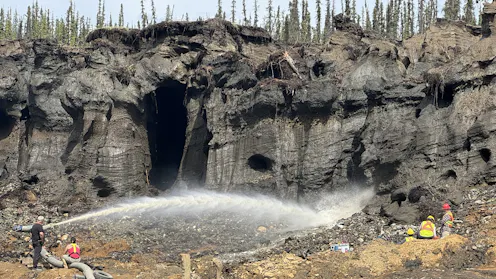
Permafrost holds an extraordinary molecular record of ancient life — and we are only now learning to read it, just as warming begins to erase it.
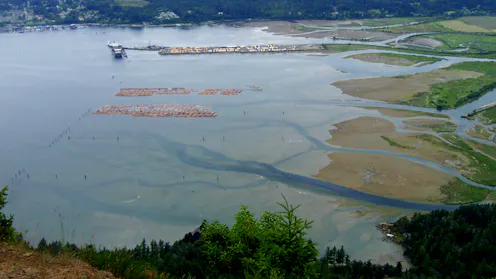
Fibreglass is denser than seawater, and it sinks quickly and accumulates in sediments where many coastal organisms live and feed.
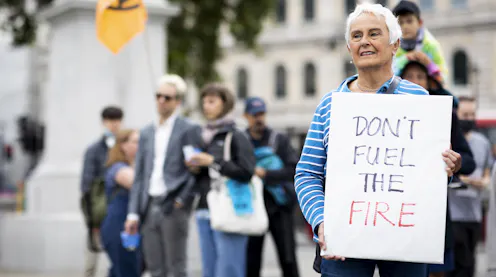
The challenge is not a lack of evidence. It is a lack of urgency.
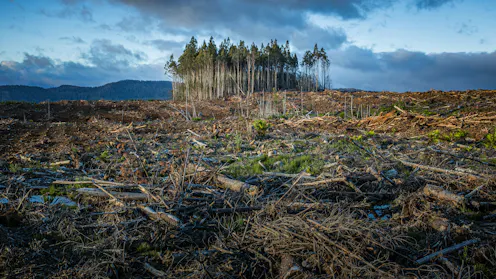
In mountainous environments, logging can hasten snowmelt, leading to larger floods.
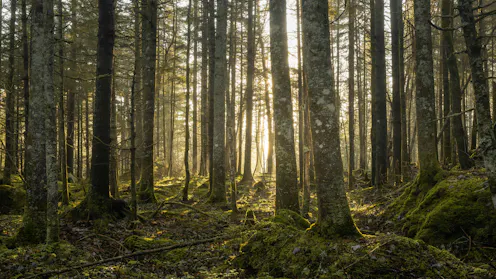
Relocating trees to protect forests struggling with climate change seems promising, but the extreme complexity of ecosystems poses challenges.
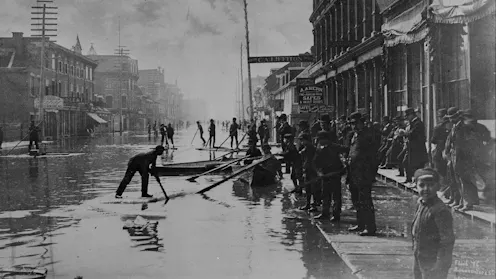
With weather records dating back hundreds of years, it’s possible to track everything from sudden downpours that led to flash floods to the slow changes that occur over centuries.