
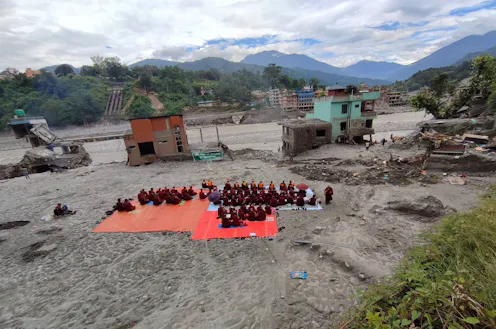
Development in known hazard zones is creating untenable risks for communities around the world. Here’s how Nepal and the global community can build back differently.
Environment + Energy – Articles, Analysis, Comment
Displaying 51 - 75 of 1780 articles
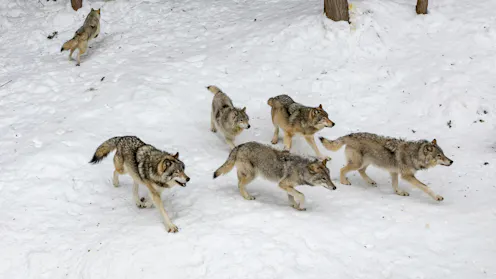
Wolves are a vital part of Canada’s rich biodiversity and are a culturally important species. Killing them to protect caribou repackages the colonial fear of the “big bad wolf.”
More common extreme weather events can create opportunities for invasive species to spread.
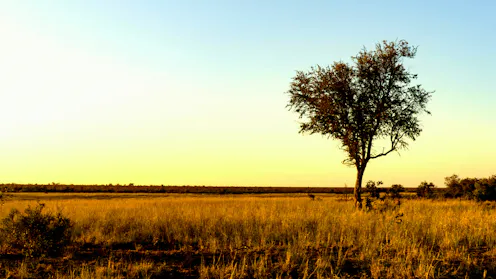
Global tree-planting campaigns can harm natural drylands. Effective climate restoration must work within dryland ecosystems, not seek to replace them.
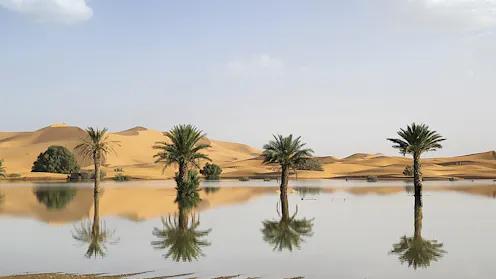
After seven years of drought and one extraordinary wet winter, northwestern Africa now faces another season of uncertainty.

New research suggests municipalities could improve recycling and composting rates by changing how often they collect garbage and organics.
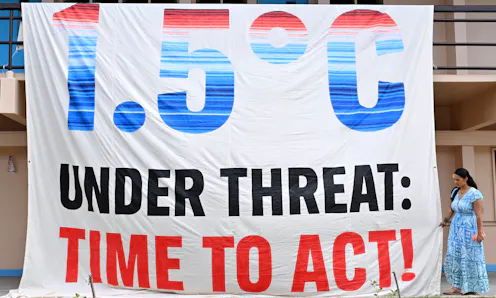
Exceeding 1.5 C of global warming is a giant warning flag telling us not to give up, but to redouble our efforts to slam on the brakes on climate change.
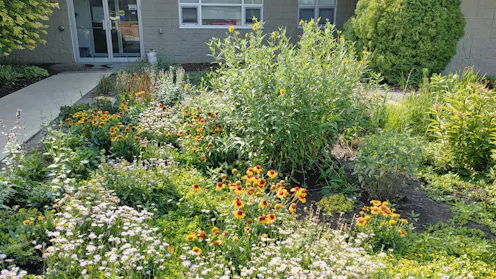
While rain gardens are useful, how and where they are planted can impact how beneficial they are.

The proportion of a watershed that is logged isn’t the only factor that determines flood risk. The landscape and climate matter too.
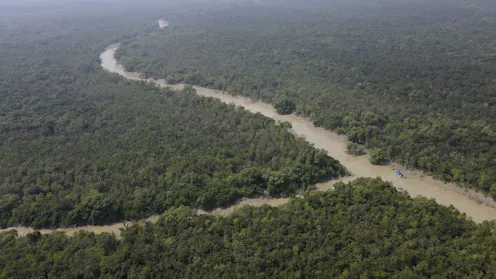
Climate change is already leading to lasting damage to the Sundarbans mangrove forest and causing families and farmers to lose their livelihoods.

Stream daylighting can help manage stormwater, restore habitats and create greener, more walkable public spaces.
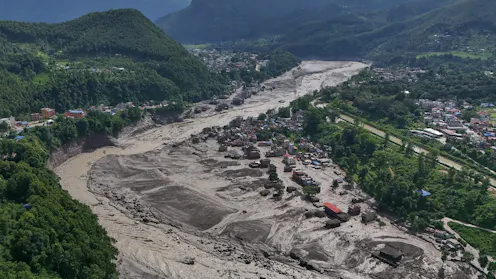
What responsibilities do governments, researchers, humanitarian organizations, and corporations have for the conditions that repeatedly turn hazards into human catastrophes?

Mutations that occurred tens of thousands of years ago made humans uniquely sensitive to particulate air pollution.

Producers often turn to online peer networks and experts when something goes wrong. However, online misinformation is drowning out the legitimate advice.
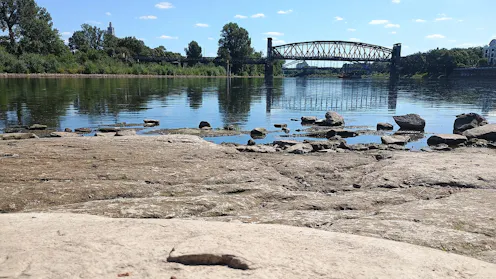
To protect our planet’s waters, we need to better understand these new economic and technological factors that underlie disputes over water.
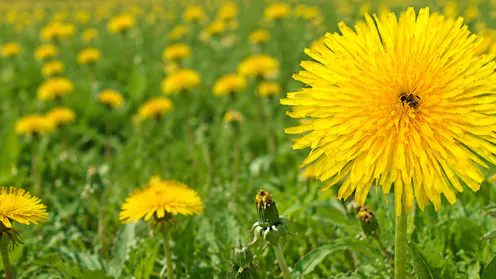
In an early childhood program, everyday encounters remind participants that acknowledging land is something we live through relationships and responsibilities.
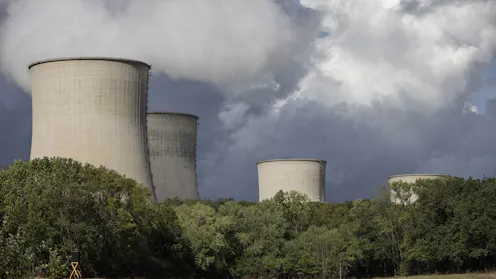
As Canada develops new nuclear projects, some might worry that hotter weather could undermine nuclear reliability. However, France’s experience this summer suggests otherwise.

Clearer information about energy costs could help home buyers make lower-carbon choices without requiring them to compromise on affordability, space or location.
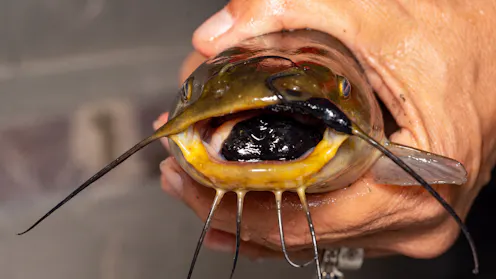
Researchers found that tumours on different catfish were genetically similar, indicating the fish were catching the cancer from each other.
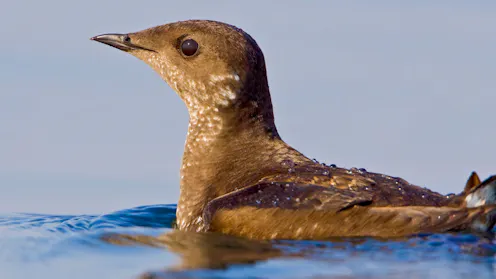
Facing pressures in both marine and terrestrial environments, the marbled murrelet is listed as threatened under Canada’s Species at Risk Act.

Montréal-area performances have seen artists explore our human connections to light and ecological forces, and reflect on grief related to climate change.

Fossil-fuel dependence, the costs of adapting to a changing climate and the transition to cleaner energy are all driving up costs.
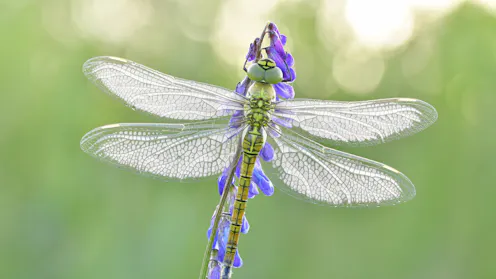
When we lose insect species without even knowing they existed, we will never know where they lived, what they looked like, how they interacted with other species or the impact they had on ecosystems.
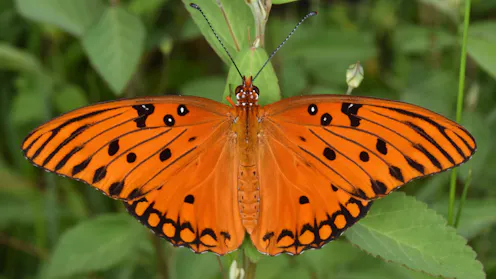
Heliconius butterflies eat high-protein pollen and seem to age well.

As long as women and other equity-seeking groups are underrepresented, Canada’s clean energy workforce remains inequitable.