

Locating professional sports arenas in urban areas can significantly change the physical and social character of downtown neighbourhoods, raising important questions about who stands to benefit.
Environment + Energy – Articles, Analysis, Comment
Displaying 26 - 50 of 1780 articles

Less frequent mowing and pesticide use can create environments that are more welcoming for pollinators like bees and butterflies.

Youth described wanting a politicized form of climate education rooted in emotion and relationality. They also want conversations in their immediate communities.

Adapting to a changing climate will require greater co-operation and co-ordination across various orders of government.

Canada’s new Responsible Data Centre Development Principles fail to address computer hardware alongside water and electricity usage.
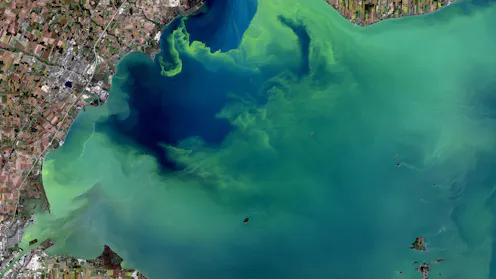
Many of the excess nutrients causing algal blooms in Lake Erie come from nearby farms, and the challenge is keeping them out of waterways.
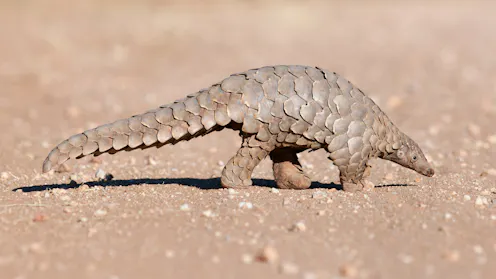
When wild animals are illegally imported to Canada, the law is clear about what happens to perpretrators. It fails to address how they are cared for after seizure.

As climate change and human disturbance accelerate, delays in implementing protections can have irreversible consequences for wildlife.

Botanists and ecologists have noticed changes in the northern Appalachian Mountains. More trees and small shrubs are growing in the alpine zones. Will they crowd out alpine plants?
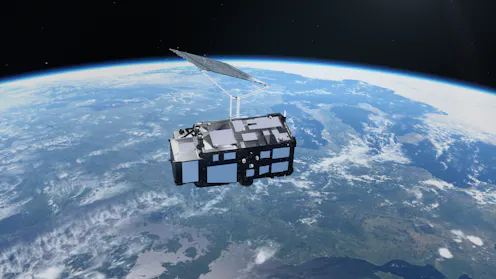
Orbital space management organizations could help ensure that future generations live with stars above their heads, rather than constellations of debris.

Why have cities had so little success in reducing rat numbers? It’s usually because they’re failing to address the larger social services issues that allow rats to thrive.
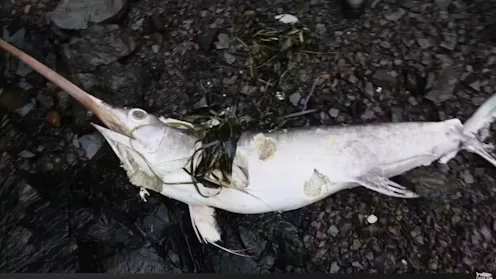
While this sighting is unusual and exciting, it also serves as a reminder that our oceans are rapidly changing and we need to adapt to these changes.
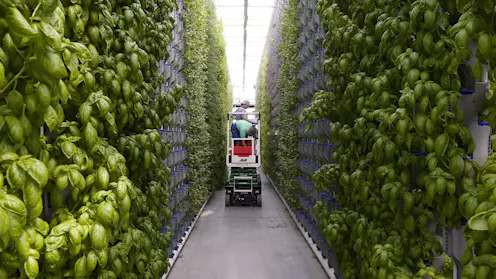
Growing plants indoors means replacing free sunlight with expensive, energy-intensive systems.
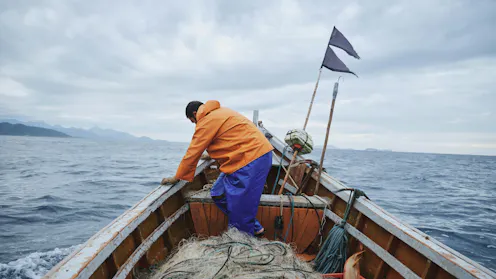
if AI shut down the electricity grid, it would swiftly shut down agriculture. Without fuel, refrigeration, irrigation and fertilizers, we would all have to get creative in feeding ourselves.
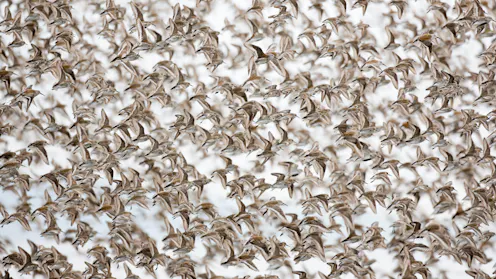
Shorebirds undertake some of the world’s most impressive migrations — but as sea levels rise, the habitats that they depend on are expected to shrink.

Governments and international organizations should develop policy that incorporates remittances into how we respond to climate change.
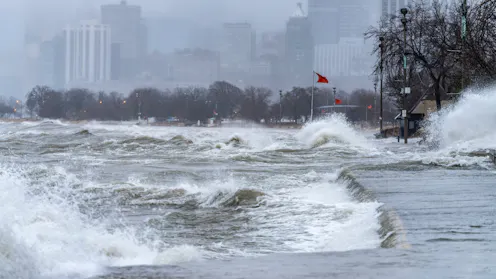
Water levels in the Great Lakes swing from one extreme to the other. An analysis using artificial intelligence reveals how (and why) weather causes them to fluctuate.

Canada has lowered its planned industrial carbon price. Research from China shows why the effects of environmental rules depend on firms’ ability to adapt.
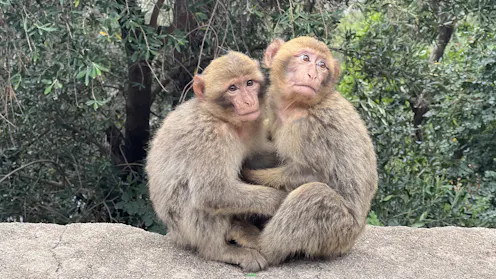
The Barbary macaque is legally protected in Algeria; however, crop losses could increase hostility toward the species if farmers lack practical ways to protect their crops.
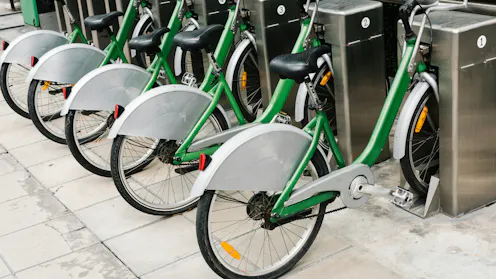
The environmental value of bike sharing depends partly on how often bikes are used to replace trips that would otherwise have been made by car.

Researchers have discovered the spiny water flea may have existed in North America far longer than previously thought.
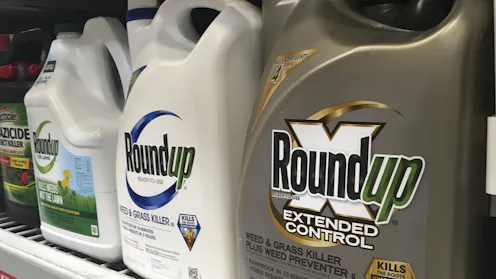
The U.S. Supreme Court’s decision on glyphosate relieves the sellers of hundreds of pesticides from obligations to warn customers about potential dangers.

Governments must stop treating climate action as merely an aspirational goal. It is an absolute imperative.
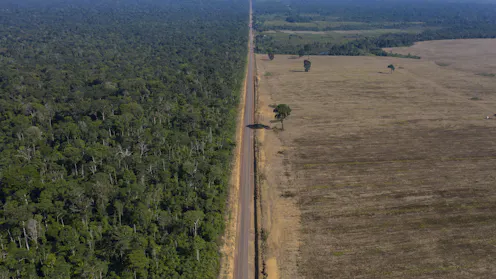
Sustaining Brazil’s recent deforestation gains will require stronger environmental enforcement beyond the rainforest and resistance to political efforts that could weaken it.

Playing out year over year, the chaotic cycle of drought crises has become a familiar experience for British Columbians.