

We are all familiar with the built infrastructure we rely on every day. However, we don’t think as much about the critical value of nature.
Environment + Energy – Articles, Analysis, Comment
Displaying 126 - 150 of 1780 articles

Behind the large numbers lies a mix of financial instruments that require Global South countries to repay government and private sector investors with interest.

As FIFA comes to town with Saudi Aramco in tow, now is the time for Toronto City Council to revive discussions about banning fossil fuel advocacy ads.
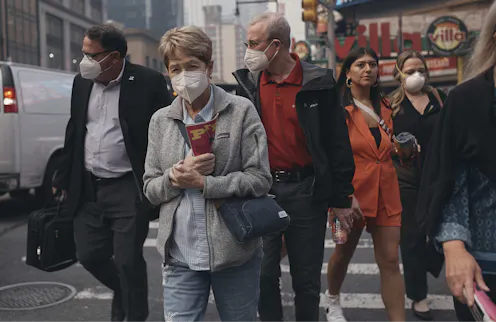
By 2100, 100 million Americans could breathe unhealthy air in the summer, seven times more than in 2000.

Researchers have revealed the identities of six sailors and shed new light on the expedition that went missing more than 170 years ago.
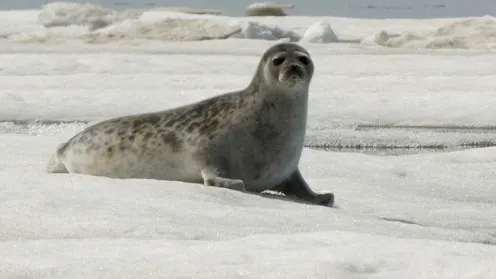
New research shows seals are being affected by chemical pollution in the Arctic food web and rapid climate-driven warming that is transforming their sea ice habitat.

For Canada’s regulatory reform proposals to work, federal leaders need to stick to tight timelines even when faced with lawsuits and provincial pushback.

Wildfires can cause contaminants to seep into waterways, polluting the drinking water that communities rely on.

Research among adult visitors to the Montréal Insectarium reveals that many people will consider eating insects, especially when they are ground up as flour.
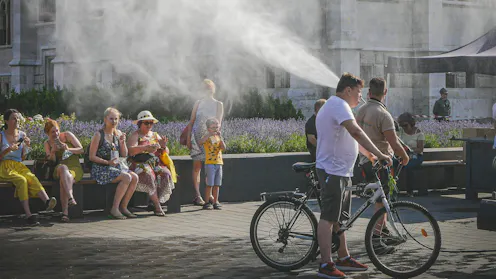
The number of days with summer conditions is growing by roughly six days more each decade since 1990, contributing to fire season, drought, energy demand and disrupted agricultural activity.
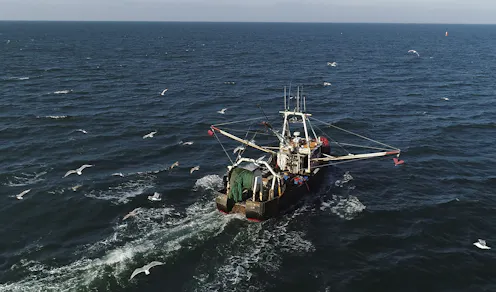
Bottom trawling operates by dragging large, weighted nets across the ocean floor, sweeping up most of the life they encounter along the way and destroying habitats.
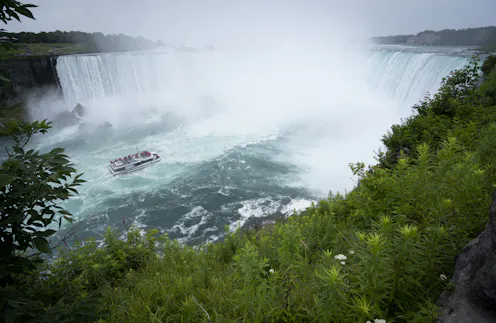
Critics warn Ontario’s new water laws could shift control of public water systems to arms-length corporations, paving the way for private profit at public expense.

Research shows that wildfires are causing more debris, sediment and chemicals to enter waterways, harming fish and other aquatic life.

Researchers developed a dual-function biodegradable wash that removes surface pesticide residues and forms a thin protective layer to help fruit stay fresh longer.
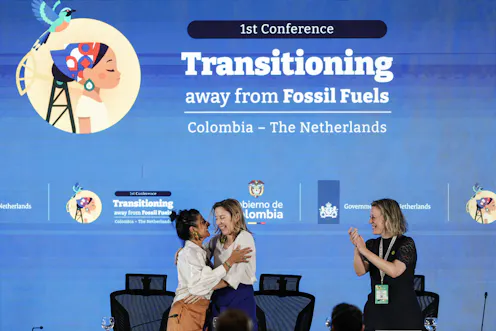
Translating the Transitioning Away from Fossil Fuels conference into a concrete action will demand structural reforms, credible policy tools and sustained political will.
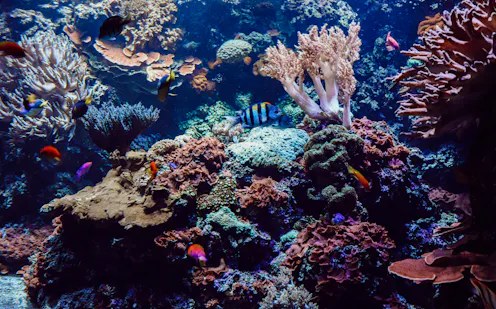
The Earth has already experienced three mass coral bleaching events over the last few decades, with a fourth happening now. Researchers are trying to find ways to make corals more adaptable to heat.

Wars release massive emissions, and they are being generated with no formal mechanism to record them, and no accountability for the climate costs that affect people in conflict zones and far beyond.
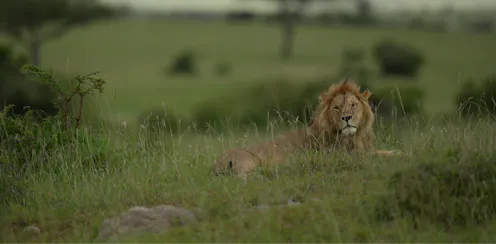
Tropes against African Indigenous communities linger and continue to shape conservation, which has led to “protective” and often punitive regulations.
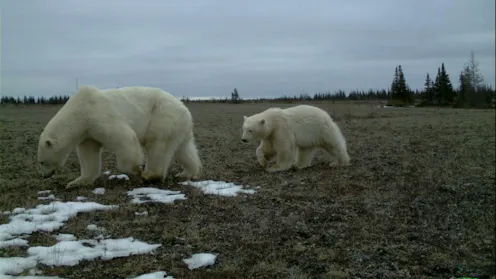
Researchers found that the more time bears were off the ice, the more likely they were to approach human sites.
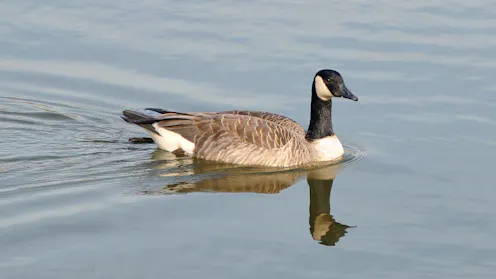
Black soldier fly larvae can convert Canada goose feces into protein and fertilizer, transforming an urban nuisance into an agricultural resource.

A high-speed rail line could operate without producing significant emissions. But this doesn’t mean it would substantially help Canada’s mitigation efforts.

Building broader support for climate action will require engaging people across political lines in ways that reduce, rather than heighten, partisan divisions.
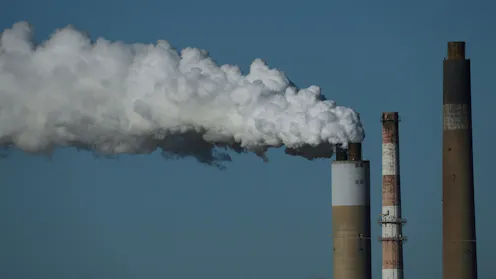
Environmental impacts are often overlooked in supply chain debates. A new framework shows how businesses can respond more fairly and effectively.
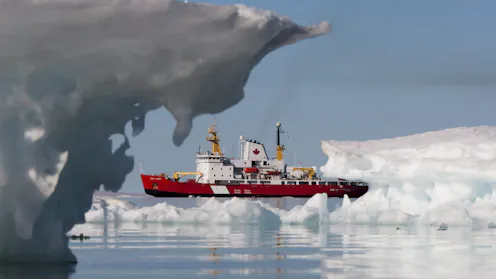
As more ships and tankers sail through the Arctic, the chances of oil spills increase. Canada should take action to prepare for a spill before it occurs.

Climate change is already re-shaping how people engage in sport. Due to warming temperatures, running may become less accessible and safe for many of us.