
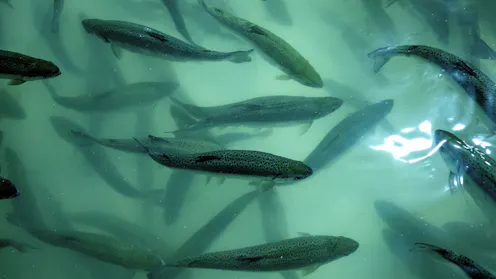
Tires are complex chemical products. When they wear away, they release additives into the environment that can poison wildlife.
Environment + Energy – Articles, Analysis, Comment
Displaying 301 - 325 of 1780 articles

In Canada, heat produced by data centres, grocery stores, laundromats, restaurants, sewage systems and hockey arenas could be captured and turned into energy.
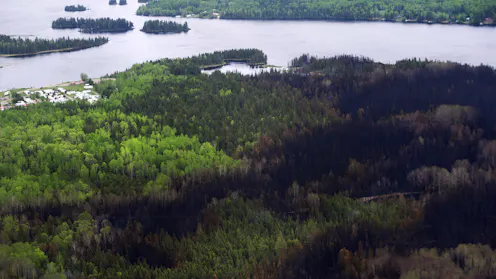
A recent study indicates that forest management in Northern Ontario is placing timber harvesting above safeguarding natural environments and compromising animal habitat.
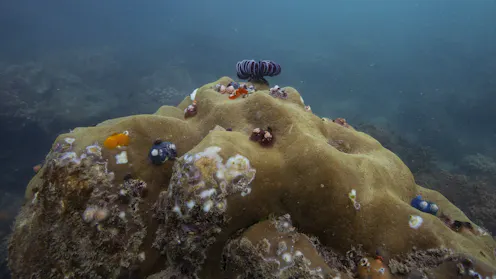
Coral reef conservation needs to take an equitable approach and include local impacted communities in decision-making and resource distribution.
Vast deposits of naturally occurring hydrogen hold promise for a green future. However, policies need to be enacted for the extraction and circulation of hydrogen.

Reducing risk and managing beneficial fires require co-ordinated action from governments, communities and individuals.
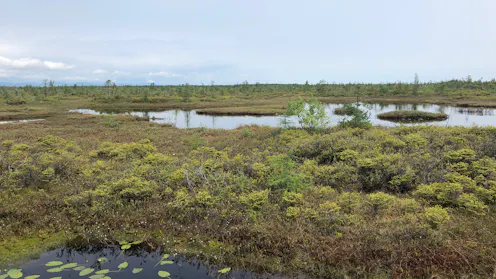
Canada is home to a quarter of the world’s remaining wetlands. Despite decades of efforts, wetlands continue to be under threat around the world.

Colonialism, corporate greed and lax regulation led to widespread pollution, particularly affecting Yellowknives Dene communities.

The Costa Rican beach where actor Malcolm-Jamal Warner drowned is known for its dangerous rip currents. A researcher who has studied the beach explains why it’s so dangerous.
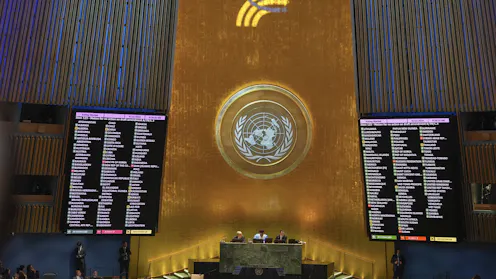
For the UN Pact for the Future to be successful, there has to be a focus on environmental and social justice, an influx of cash and resources, and an incorporation of new technologies.
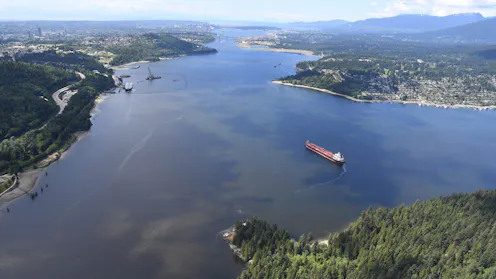
Community-based research led by the Tsleil-Waututh Nation offers insight into how colonization has impacted the waters around Vancouver.
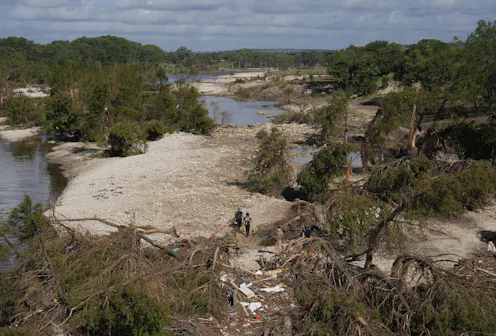
Flash floods are increasing in frequency, severity and impact. The Canadian government needs to learn from the Texas tragedy and co-ordinate weather information and warning systems.

Traditional methods for controlling Varroa mites are becoming less effective, but AI-enabled non-invasive methods could help improve detection and keep bees safe.
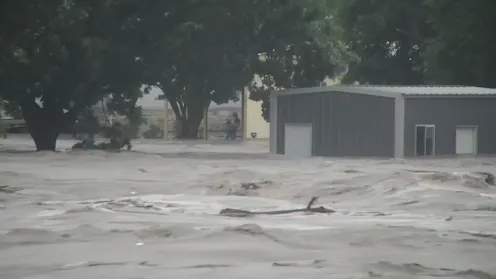
Understanding the combination of meteorological, geomorphological and hydrological factors that led to the Texas flood could help prevent future disasters.

Creating energy corridors is in the national interest, and the Canadian government should prioritize funding clean energy supply solutions.

Climate change, forest fragmentation and hunting threaten lemur populations in Madagascar, and impact the health of mothers and infants.

Government assessments of gene-edited pigs should provide opportunities for inclusive public engagement
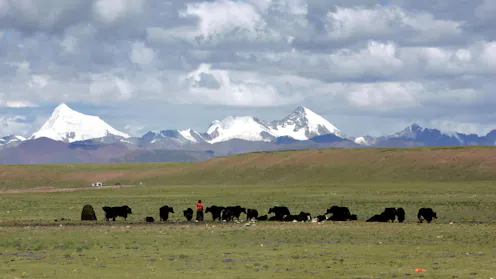
China’s climate policies aim for sustainability, but for ethnic minorities, they often bring displacement, economic strain and erosion of cultural traditions.
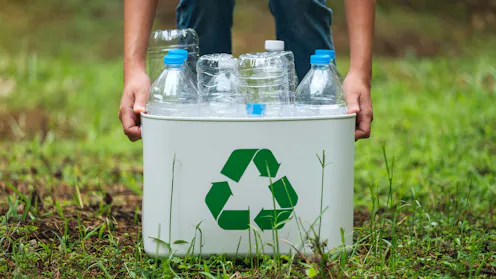
Offering people the chance to win a prize instead of only receiving their deposit back could incentivize more people to recycle more often.
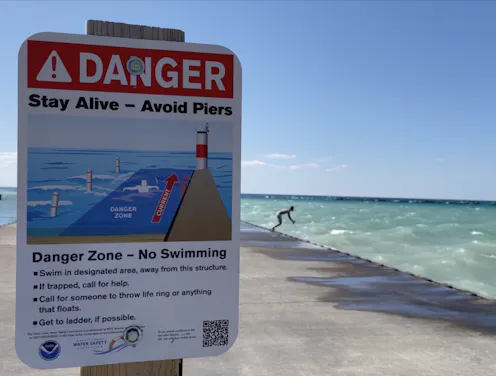
To ensure a safe trip to the beach, seek out information about rip currents and other surf hazards in the Great Lakes.

Major infrastructure projects can contribute to local economies, but when not managed properly, they can also place undue pressure on local health-care services.

Economic modelling suggests pipelines like Northern Gateway and Energy East would help insulate Canada from the threat of U.S. tariffs.
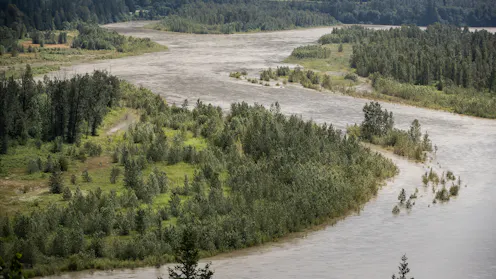
Riprap can bury the spawning habitats of fish, increase river temperatures and exacerbate erosion elsewhere. There are alternative ways to stabilize riverbanks.
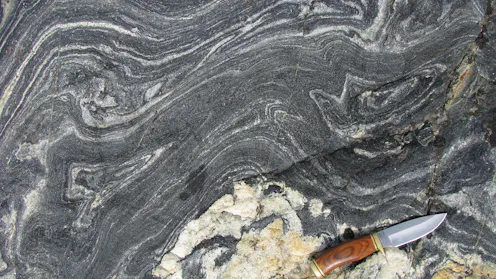
Rocks from the Hadean Eon, the first period in the geological timescale, have been dated in Québec. These are some of the oldest terrestrial materials dated by scientists.
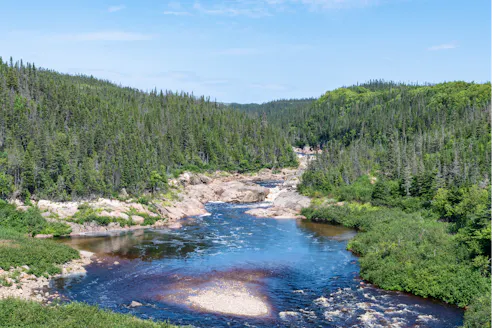
The agreement with the Innu comes at a time when Québec seeks to develop its battery industry. The resources required for this production are often located on Indigenous territories.