

The axing of the consumer carbon tax marks a major turning point in Canadian climate policy. It fell victim to misinformation and populist attacks.
Environment + Energy – Articles, Analysis, Comment
Displaying 376 - 400 of 1780 articles

Artificial intelligence can sift thorugh vast amounts of online social media and environmental data to predict avian flu outbreaks.

More indoor sports competitions may emerge in the years to come as organizers seek to attract new audiences and respond to the impacts of climate change.

As Canada grapples with intensifying climate-related challenges, the next government will need to be able to effectively communicate its vision to voters.

Rhetoric around ‘common sense’ tends to focus attention away from climate action, but it has not always been aligned with a free-market economy.

Canada has a long history of human rights and environmental abuses abroad, especially in Latin America.
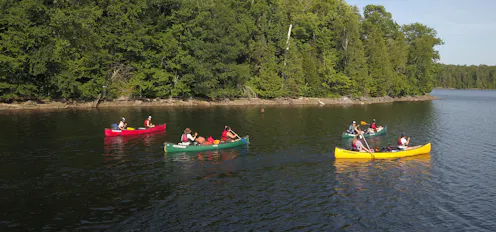
Land-based learning that centres Indigenous perspectives is needed to face the climate-uncertain future and build a next generation of freshwater stewards.

Fungi are essential to our ecosystems, our societies and economies.

It’s time to retire the email signature and take a hard look at improving our communication efficiency.

Bioplastics can be made out of natural fibres such as bamboo, hemp, plants or algae.
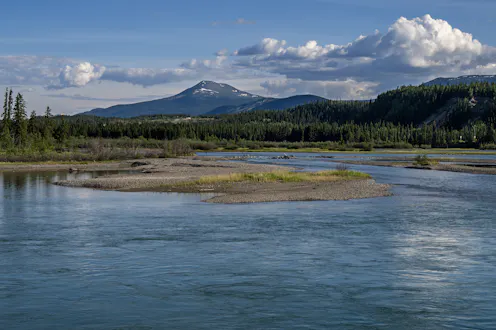
From debates over water export to the largest ‘zombie water project’ in North American history, there’s a long history of Canadian water export to the U.S.

Green bonds have the potential to be a powerful tool in the fight against climate change, but only if they are backed by real accountability.

By pinpointing Canada’s most vulnerable regions, targeted wildfire prevention strategies can be carried out.

Despite the Canada Carbon Rebate’s effectiveness, Canada’s major political parties are willing to scrap it because it’s not politically rewarding.

By undermining crucial capacity for infectious disease surveillance, Trump is passing untold risks into the future.
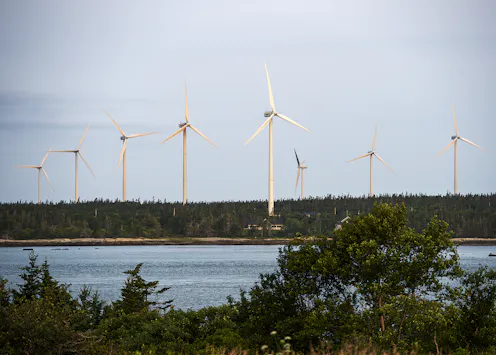
Aqueous redox flow batteries may be able to store and release renewable energy for decades.
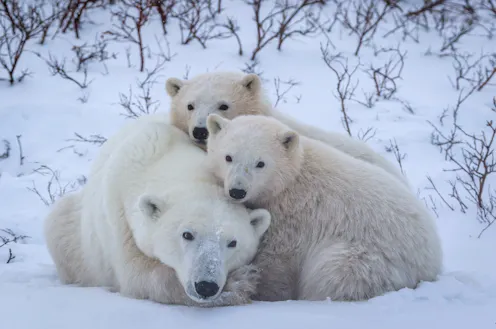
Advances in monitoring polar bear mothers and cubs gives insights into denning behaviour and vulnerabilities.
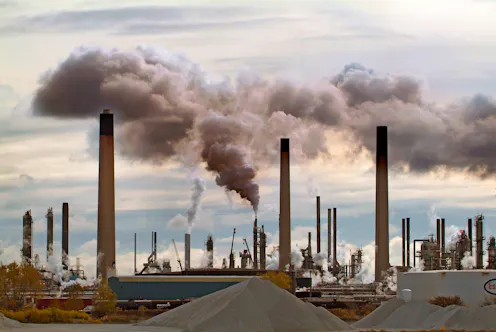
Between 2000 and 2020, only one-third of environmental enforcement actions were actually brought against the biggest corporate offenders.

An estimated 13 per cent of Albertans live within 1.5 kilometres of an active oil or gas well. This proximity can have adverse impacts on their health.

EDI is rooted in historical social movements that fought against exclusion. We cannot address environmental challenges without confronting class, gender and racial inequities.

Using more appealing language and descriptions — rather than simply labelling foods ‘vegan’ or ‘vegetarian’ — can encourage people to choose plant-based foods more often.
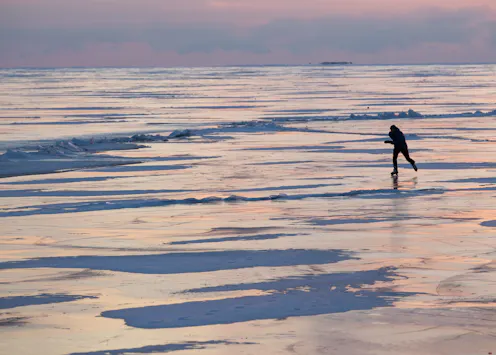
The Little Ice Age, which lasted around 500 years, had a profound impact on the environment and the people who lived around Lake Ontario.

Addressing climate change involves many industries and sectors, including housing. Net-zero housing requires collaboration from all levels of government and the building sector.
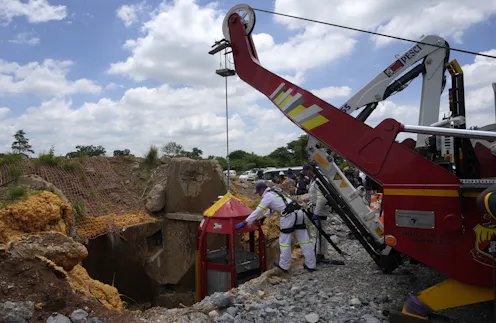
Security governance at abandoned or closed mining sites must be improved and inclusive policies that address employment needs must be implemented.
Campaigners in Namibia are demanding that the government and industry halt the expansion plans on Shark Island, and meaningfully engage with reconciliation.