
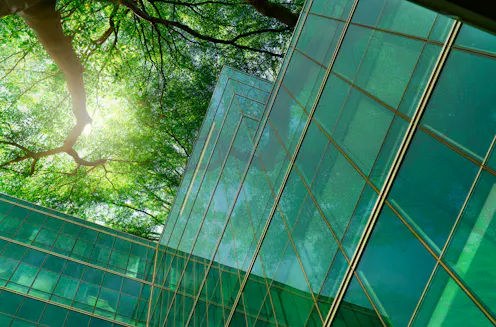
Canada has fallen behind in global SDG progress rankings. To reverse this, Canada needs better mechanisms to hold companies accountable and ensure the SDGs are actually being adhered to.
Environment + Energy – Articles, Analysis, Comment
Displaying 451 - 475 of 1780 articles
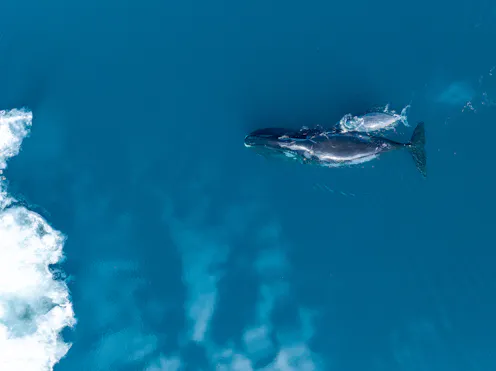
Commercial whaling, present challenges and future threats shape genetics and the potential for adaptation in the bowhead whales and narwhals of the Canadian Arctic.

Tree and bird diversity has been linked to a number of positive mental health outcomes. It is time that urban planners interested in human well-being take biodiversity into account.

The key to understanding shifts in climate and life on Earth is sustained long-term research. Enabling this research to take place should be a priority for universities and governments.
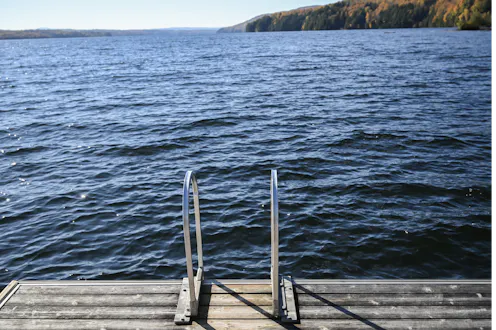
A lake or river is not an isolated entity but one of the most visible facets of a much larger, and more dynamic, watershed. The health of these entire systems should be an utmost priority.

The municipality of Jasper is located within a national park, making for a unique situation regarding land ownership and planning.
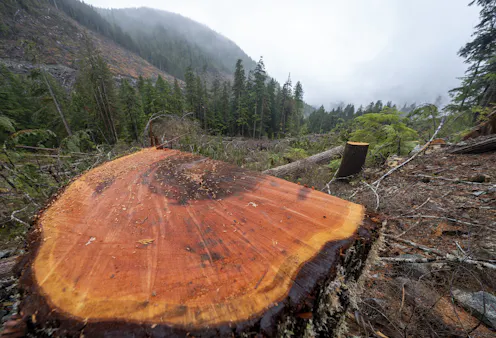
Canada’s existing species at risk legislation fails at protecting its most vulnerable inhabitants. More robust protections are needed.

The invasive spiny water flea is spreading fast across Canada. Awareness is key to curtailing its growth.

Just as calls for health-care reform often focus on improving services, Canadians have the right to expect better outcomes from agricultural policies.

Reversals by British Columbia’s NDP and Conservative leaders may give the impression that the parties’ positions on climate have converged. But the contrasts are stark as election day looms.
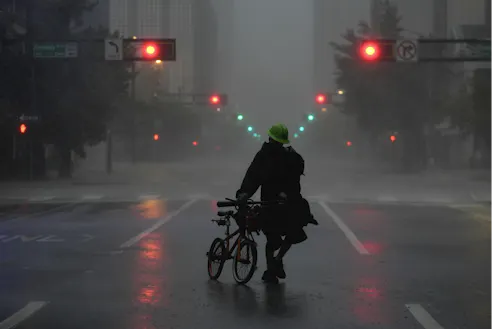
‘Climate scientists’ are often understood as being a block of experts with monolithic beliefs. A new survey sheds considerable nuance onto the beliefs and perceptions of climate scientists.

Climate change, biodiversity loss and resource depletion are not isolated problems — they are part of an interconnected web of crises that demand urgent and comprehensive action.

The leaves of evergreen species acquire carbon over the long term and improve nutrient conservation, whereas short-lived leaves favour rapid carbon acquisition.
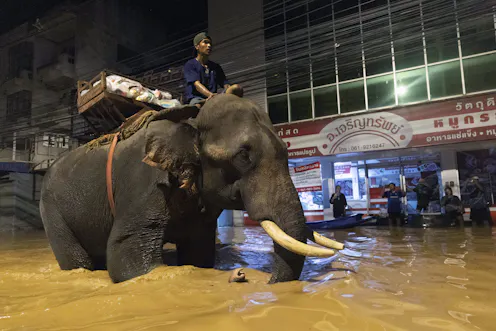
While poorer nations face more severe climate impacts, their ‘social cost of carbon’ remains disproportionately low, reflecting deeper economic inequities that complicate global climate action.

Both solar and battery systems costs have just dropped to the point that grid defection will save the average family money, but this could increase emissions in some cases.

People’s moods and decisions can be affected by changes in weather and seasons. Research shows that relatedly, our moral values can also be influenced by seasonal changes.
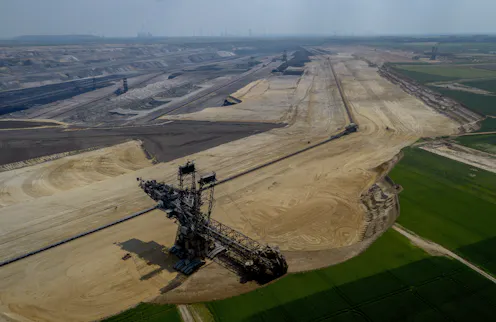
Purely technical solutions to the challenges of sustainable development will likely end in failure. Living within planetary boundaries will require a unified effort across disciplines and economies.
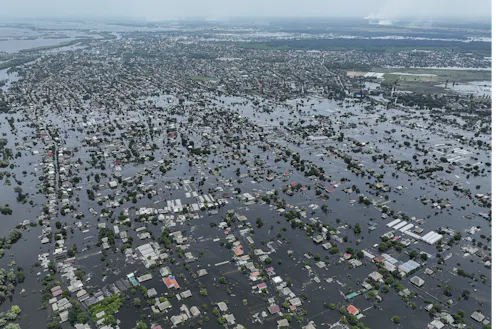
Russia is committing ecocide in Ukraine, an act of war aimed at inflicting serious damage on the environment.

Utilizing carbon contracts for difference mechanisms could help the federal government maintain its climate policies. But overly relying on these tools brings its own risks.

‘Forever chemicals’ can be detected almost anywhere using the right analytical equipment. This raises concerns about the health effects of current exposure levels.
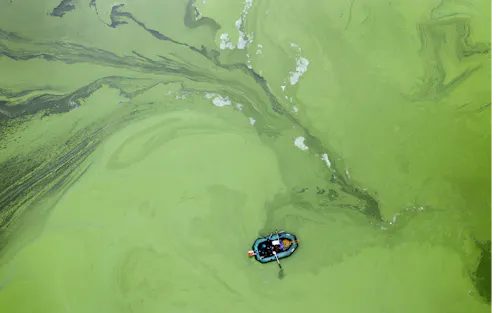
The spectacular landscapes and pristine waters of the north shore of Lake Superior, which once provided inspiration for the Group of Seven, are now vulnerable to algal blooms.
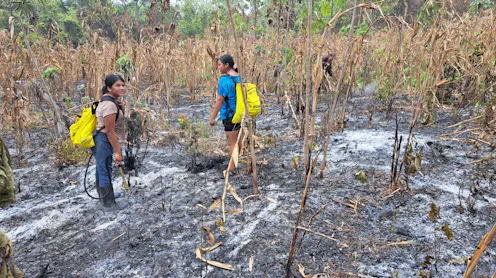
Recent wildfires in Belize shows how we must work together to revitalize Indigenous knowledge systems and plant the seeds of collaborative climate action.

Creating sustainable jobs that are regionally accessible, locally meaningful and economically desirable is the next big hurdle for Canadian policymakers aiming for a net-zero energy economy.
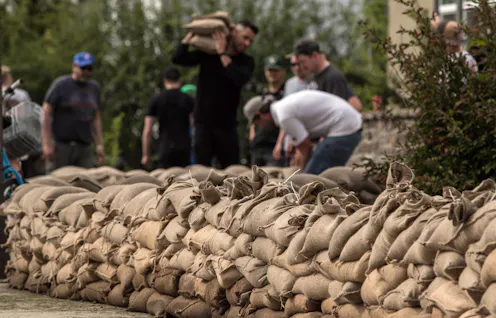
Community initiatives play a vital role yet they are often not recognized by emergency response organizations, and as a result are often under-utilized.

It’s good for people to spend time in nature. But do those benefits extend to ‘virtual nature’ — experiencing the outdoors through a virtual reality headset?