

Canada’s current carbon tax system is unpopular and not as effective as it should be. A progressive carbon tax system would help.
Environment + Energy – Articles, Analysis, Comment
Displaying 426 - 450 of 1780 articles

Navigating green differences between friends can be a tricky endeavour. These strategies can help you be a climate leader while keeping your friendships intact.

Canada should consider an export charge on Canadian energy bound for the U.S and applied directly by the federal government. That would impose some unity on Canada’s approach to Trump 2.0.
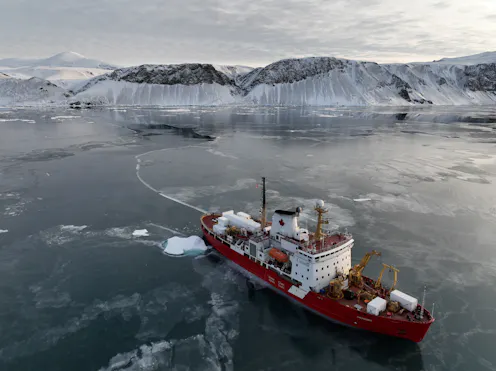
The last ice area is projected to be the last place on Earth to retain year-round sea ice by 2040. A recent Arctic expedition to the area has provided key data that could help guide conservation efforts.

Building a circular economy is critical because wasted materials and energy not only damage the environment, but are also growing increasingly scarce and expensive.
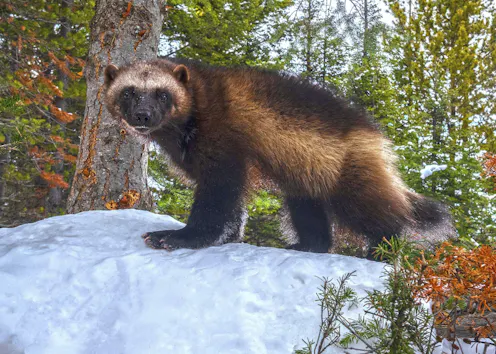
Alberta’s move to lift restrictions on trapping activities is scientifically unsound and will hasten population decline across the province.

Opposition to bottled water has primarily focused on blocking plants and increasing access to tap water. The closure of Ontario’s largest bottled water plant shows that these efforts can succeed.

Farmers’ markets provide a host of benefits to both consumers and farmers, but are often overlooked when it comes to creating policies geared toward improving the sustainability of food systems.
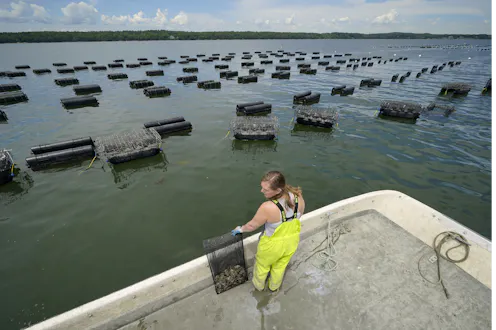
Working with communities to understanding the social acceptability of shellfish farming is the key to developing sustained aquaculture activities.

Northern communities in Canada have long relied on ice roads to bring in essential goods, however, climate change is making these routes more perillous and unpredictable by the day.
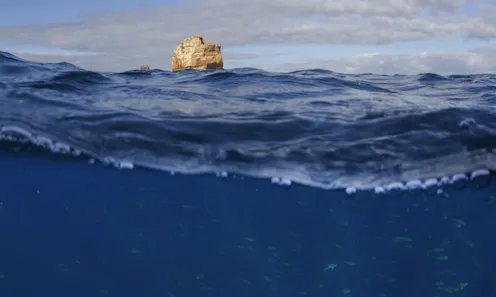
Deep seabed mining is already controversial because of inherent environmental and biodiversity risks. A new study shows that its economic impacts may hit even harder.
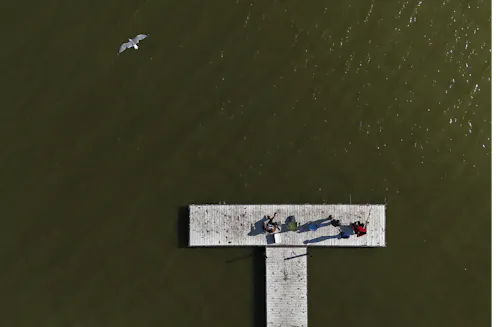
Algal blooms are typically associated with summer weather but warmer winters caused by climate change are resulting in blooms appearing more frequently, and for longer periods.
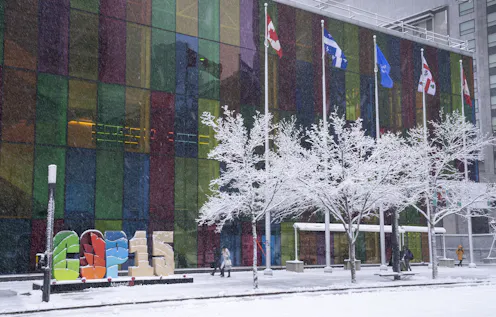
Canada’s biodiversity protection goals paint it as a world-leader in conservation. However, only its actions will reveal the substance behind these words.
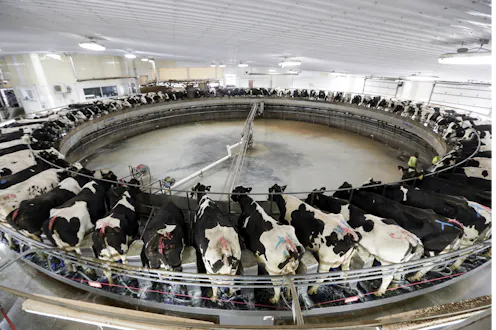
New laws in Canada will make it harder for whistleblowers to shed light on cruelty and malpractice in animal agriculture — and will hinder efforts to prevent the next global pandemic.

The 1,000-ton rule states that a person is killed every time humanity burns 1,000 tons of fossil carbon. Minimizing the deaths caused by climate change should be a global priority.

Nature-based solutions are a cost-effective means of addressing climate instability, and governments already have all the tools they need to help get these projects off the ground.
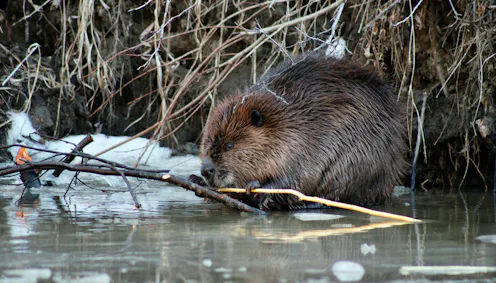
When it comes to equitable and sustainable infrastructure, we can learn a lot from beaver dams — according to both traditional Indigenous oral history as well as NASA researchers.

Net zero is not as simple as planting a tree. The first step is understanding that tackling climate change, and reaching true net zero, requires returning carbon to the ground.

Most people would prefer to die at home than in hospital. If dying at home could be made more feasible and well resourced, both the dying and the living would benefit.
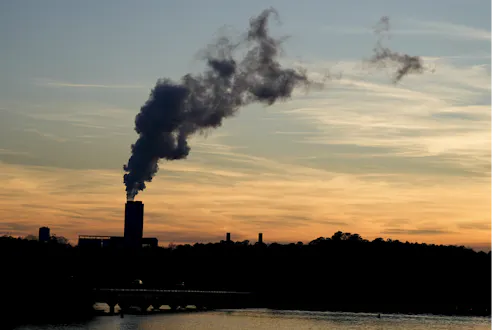
The time has come to develop Canada’s participation in international carbon markets.

Centring climate justice in our global efforts against climate change could bring myriad benefits for us all. COP29 in Baku must make this dream a reality.

A landmark legal ruling in Ontario could pave the way for greater government climate accountability in the province while setting an important precedent for the rest of the country.

Honeybees can act as a key ally in pollution monitoring efforts across Canada.
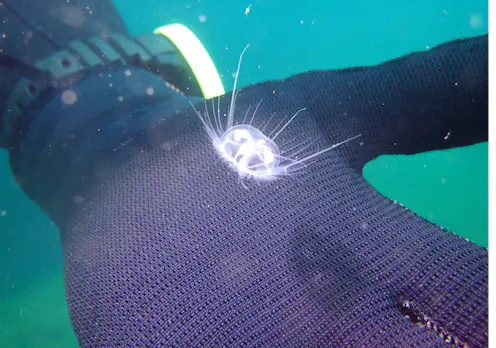
Freshwater jellyfish are growing in abundance in Canadian lakes and rivers. The reasons are complex but climate change is the primary culprit.
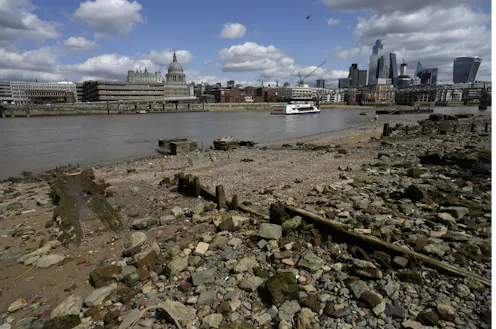
New research on the European Little Ice Age in England has upended established narratives and provided a window into an era of climatic instability not too different from our own.