
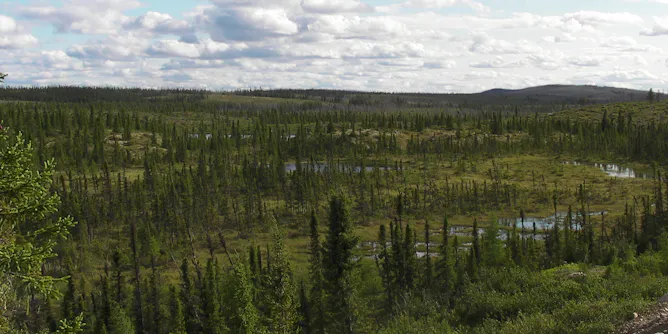
Global warming is changing the movement of carbon within northern ecosystems to the point where the Arctic could become a net source, rather than sink, of greenhouse gas emissions.
Articles on Arctic
Displaying 241 - 260 of 288 articles
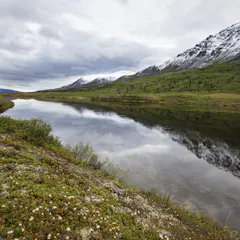
Scientists are studying how carbon-rich permafrost known as yedoma acts much like frozen vegetables to hungry microbes – and is becoming an additional source of heat-trapping gases.
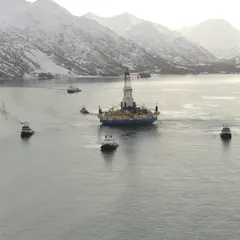
Did environmentalists force Shell to exit the Arctic? Not really. Blame economics and geopolitics first and foremost.
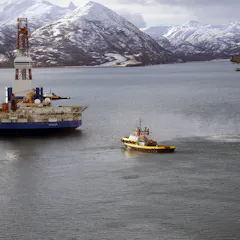
Shell has abandoned oil exploration offshore Alaska for now but a variety of trends are driving the energy industry to take a fresh look at Arctic drilling.
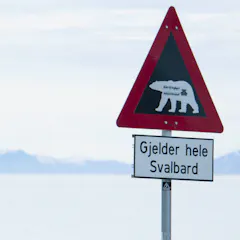
Stay alert, make lots of noise, and if all else fails, carry a big gun.
The House proposes slashing funding for earth science from NASA’s budget, yet this science is critical to understanding – and coping with – the dramatic effects of a warming Arctic around the world.
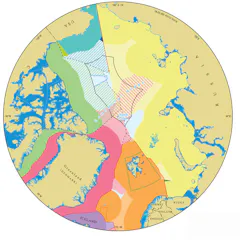
Maps depicting Russia’s old and new bids to the Arctic seabed are being misinterpreted to fuel fears about the nation’s expansion.
The economic viability of extracting oil from the frozen north might be doubtful, but the geopolitical significance could be massive.
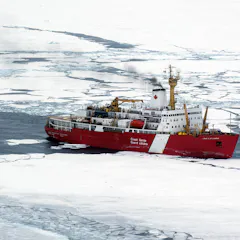
A melting Arctic means new areas will be open to commercial fishing but scientists – and bordering countries – say they need time to study the ecological and economic risks.
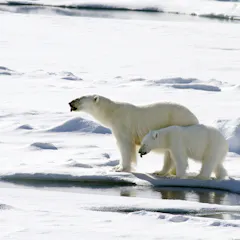
Could polar bears slip into a hibernation-like state to tough out lean hunting during summers with little sea ice? Sadly, experiment suggests no.
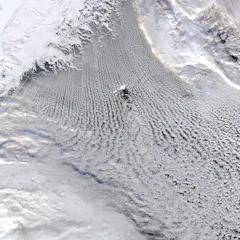
Loss of sea ice near Greenland and Iceland portend a colder future for Europe.
The toxic metal is poisoning polar wildlife but it can’t all come from the atmosphere. Are polluted Siberian rivers to blame?
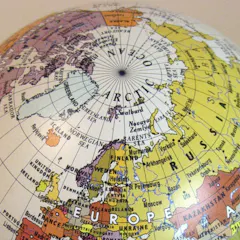
As the ice recedes and technology for recovering resources in extreme conditions improves, the Arctic could become the theatre for future global conflicts. Here’s the story so far.
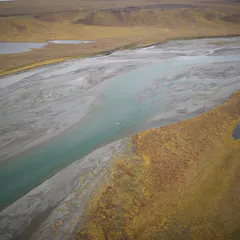
In a few months, we will mark the five-year anniversary of the Deepwater Horizon oil spill. The accident released millions of barrels of oil into the Gulf of Mexico, causing extensive impacts on the marine…
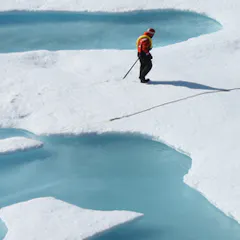
Arctic sea ice melts each summer, reaching its minimum extent sometime in September, before refreezing through the winter. Over the past 35 years, the September sea ice extent has reduced by about 35…
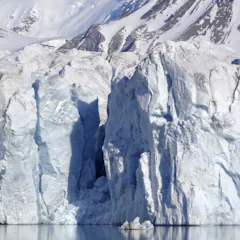
In a few short months the United States assumes Chair of the Arctic Council (AC). This is a two-year long opportunity to shape the future of the Arctic, an opportunity that will likely not come around…
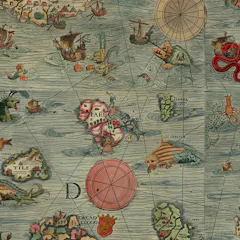
What comes to mind when you think of the Arctic? Ice, I imagine, polar bears, a barren cold landscape. And most would assume that these associations have remained the same for a pretty long time, given…
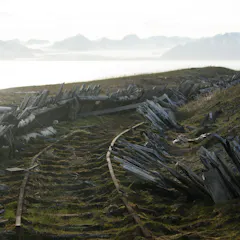
Economic interests are set to play an increasingly important role in shaping development in the Arctic. Yet prominent members of the mining industry, familiar with the economic and reputational perils…

At Royal Holloway College at the University of London, Edwin Landseer’s picture “Man Proposes, God Disposes” (1864) is covered by a Union Flag every year during exams. Not because of any fears of cheating…
Global warming won’t increase the number of extreme cold days according to new research from the University of Exeter. The…
Top contributors
-

Senior Research Fellow, Center for War Studies, University of Southern Denmark
-
Professor of Natural Resources and Environmental Science, University of Vermont
-
Alaska Climate Specialist, University of Alaska Fairbanks
-
Deputy Lead Scientist, National Snow and Ice Data Center (NSIDC), Cooperative Institute for Research in Environmental Sciences (CIRES), University of Colorado Boulder
-
Senior Scientist, National Snow and Ice Data Center (NSIDC), Cooperative Institute for Research in Environmental Sciences (CIRES), University of Colorado Boulder
-
Professor of Glaciology and Earth Observation, University of Bristol
-
Lecturer in International Studies, University of Washington
-
Associate Director, Climate System Research Center and Associate Professor of Climatology, UMass Amherst
-
Senior Lecturer in Physical Geography, Loughborough University
-
Professor and Director of the Centre for Defence and Security Studies, University of Manitoba
-
Chief Scientist, Australian Antarctic Division and Professor of Climate Science, Australian National University
-
Professeur associé/Adjunct professor, École nationale d'administration publique, École nationale d'administration publique (ENAP)
-
Distinguished Professor of Marine Science, King Abdullah University of Science and Technology
-
Research Professor of Geography and Director, National Snow and Ice Data Center, University of Colorado Boulder
-
Postdoctoral Fellow, Department of Biological Sciences, Simon Fraser University