
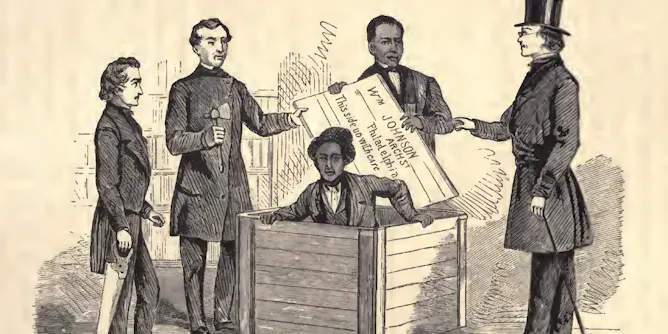
Abolition in the UK tends to focus on the work of Yorkshireman William Wilberforce but there were many Black abolitionists whose tireless work has been forgotten.
Articles on British history
Displaying 81 - 100 of 159 articles

New analysis of Anglo-Saxon skulls suggests that being an Anglo-Saxon was a matter of language and culture, and not genetics.
The excesses of political leaders have always needed checking.
The Post’s editor, Arthur Mann, withstood extreme pressure to fall in with orthodox political thinking over appeasement with Nazi Germany.

In the early 19th century, the British – who had invented impeachment centuries before – decided it no longer served its purpose. Instead, they found a more effective way to handle a bad leader.
‘Bridgerton’ alludes to and obscures social, racial and political tensions in England’s Regency era, the extraordinary decade that marks the dawn of the modern world.
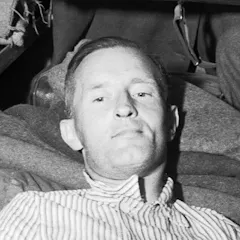
In the early days of the second world war, a Nazi propagandist broadcasting to England built up a large following.
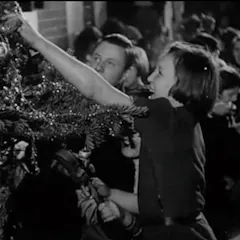
Despite rationing and the Blitz, Christmas on the domestic front in 1940 was cheerful and optimistic.
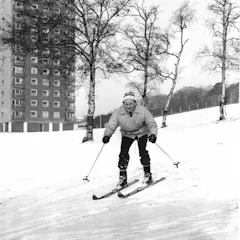
Food shortages, festivities and far-off fighting – Britain’s coldest winters were among its most memorable.
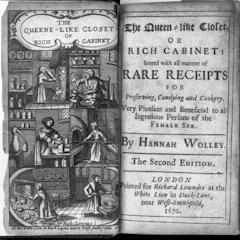
The story of the growth of Britain’s sugar trade can tell us a lot about the development of capitalism and the slave trade.
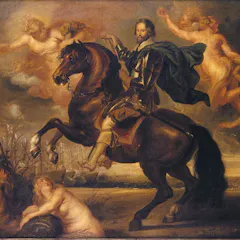
Impeachment was a common political tool in early modern England, but its use lapsed 20 years after it was adopted in the US constitution.
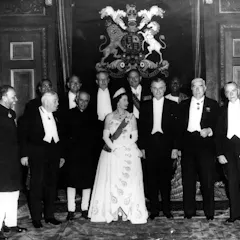
The Commonwealth’s ‘golden age’ wasn’t entirely dazzling.
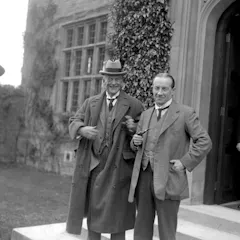
When Stanley Baldwin called an election in December 1923, the outcome was unintended, unexpected and enduring.
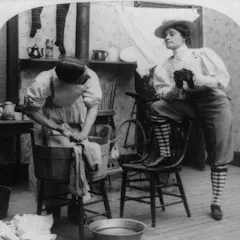
For most of the Victorian era, people thought it was normal for men and women to be treated differently, and judged by different standards.
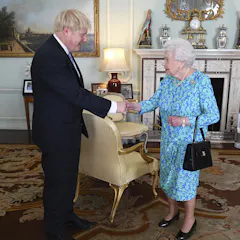
The U.K. prime minister sought to suppress Parliamentary opponents, saying he – not they – represents the will of the British people. It put Queen Elizabeth II in a real bind.
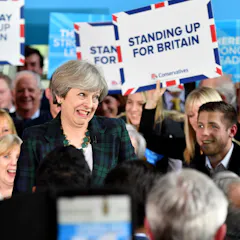
No one is saying she has done a stellar job, but other prime ministers have made mistakes like May.
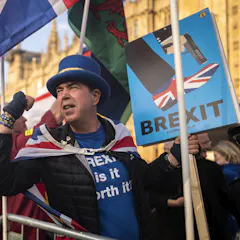
It’s easy, now, to think of this as Theresa May’s story – but Thatcher, Blair and Cameron all played their part.
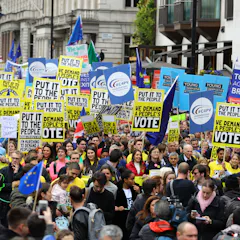
Lessons from the British 19th century protests over electoral reform about the significance of crowd sizes.
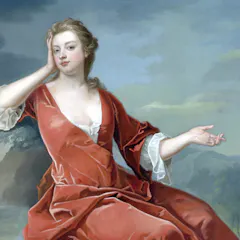
While the film introduces viewers to women who were important political figures in British history, it doesn’t quite capture just how much power and influence these women actually wielded.
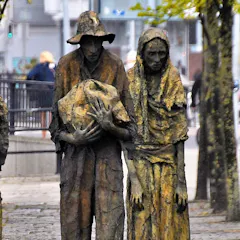
The famine caused a million deaths and scarred the national psyche for generations. How do you even start to try and represent that in film literature, or art?
Top contributors
-

Principal of South College, Durham University
-
Senior Lecturer in Contemporary British History, Newcastle University
-
Senior Lecturer (Associate Professor) in Political Communication, University of Liverpool
-
Lecturer in Politics, Edge Hill University
-
Emeritus Professor of Roman Archaeology, University of Birmingham
-
Lecturer in Intelligence and Security Studies, Brunel University of London
-
Visiting Fellow in History, Anglia Ruskin University
-
Professor of History, The Open University
-
Professor of History & Director of the Dresher Center for the Humanities, University of Maryland, Baltimore County
-
Associate Professor in History of Art, University of Nottingham
-
PhD Researcher (Conceptual History of Meritocracy), University of Nottingham
-
Researcher in Early Modern History, University of Southampton
-
Professor of Organisation Studies, University of Bristol
-
Lecturer in eighteenth-century history, The Open University
-
Senior Lecturer in History, University of Aberdeen