

With extreme weather and glacier melt predicted to increase, neighbouring nations will need to act together to prevent deaths.
Articles on Climate change
Displaying 141 - 160 of 8773 articles
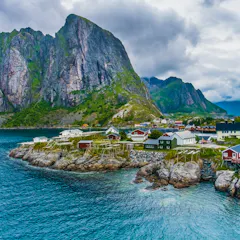
These mobile power systems could be a lifeline for remote, island and disaster-prone places.
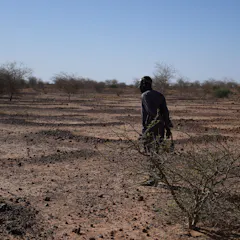
The super El Niño could cause 31,400 extra heat deaths in Nigeria alone. Heat warnings, cooling centres and worker protections could help save lives.

Droughts and floods reduce agricultural production, disrupt supply chains, and limit families’ access to fruits, vegetables, and other fresh foods.
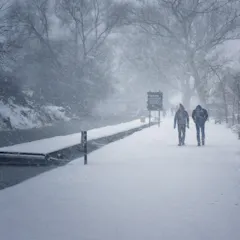
Across the northern hemisphere, cold spells are becoming milder as the temperatures rise, with their intensity decreasing by 0.3°C per decade.

For coastal communities, understanding how tides are changing is increasingly important.

Governments must stop treating climate action as merely an aspirational goal. It is an absolute imperative.

The catastrophic story is familiar, but the insight, and the ending, offer an opportunity, and perhaps motivation, for modern readers.

The grass is greener, but surface improvements tell only part of the story.

Keeping aging coal plants open, building new gas plants and choices about pollution controls affect electricity bills. Pollution adds health costs and climate damage that may not appear on those bills.

Nearly 43% of UNESCO World Heritage Sites in Europe are now highly vulnerable to climate-related risks.
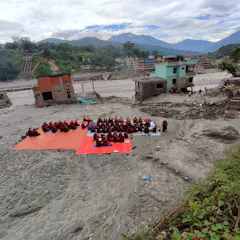
Development in known hazard zones is creating untenable risks for communities around the world. Here’s how Nepal and the global community can build back differently.
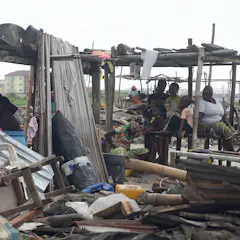
Residents whose homes cluster along waterways, canals and shorelines have built organised systems for living with climate change.
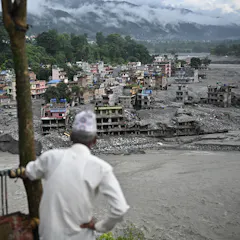
At least 119 countries have asked for aid from the fund set by major greenhouse gas emitting nations four years before the deadly Nepal flood. It has paid zero claims.
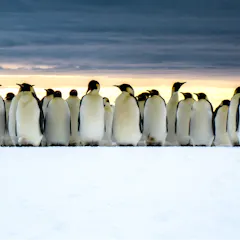
New satellite methods can track penguin colonies in winter – and can judge their health based on the colour of their guano.
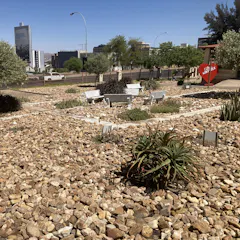
New research shows how Windhoek’s ‘Brown is Beautiful’ approach could use its dry landscape to protect the city from heat, drought and floods.
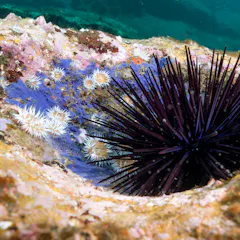
Sea urchins eat kelp – but new research shows their diets and relationships with kelp forests are more complex than commonly thought.
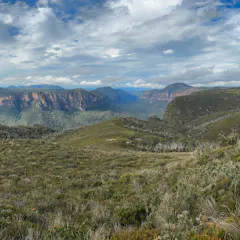
Collecting data from sensors in remote woodlands has long required arduous treks. What if sensors could transmit data in real time?
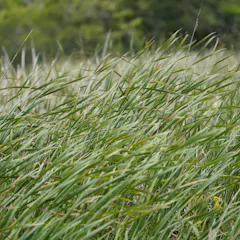
More common extreme weather events can create opportunities for invasive species to spread.

The Fens are a food-growing powerhouse, but the landscape only exists thanks to humans holding back the sea.
Top contributors
-

Professorial Fellow, University of Canberra
-
ARC Future Fellow and Associate Professor in Climate Science, ARC Centre of Excellence for 21st Century Weather, The University of Melbourne
-
Chief Research Scientist, CSIRO Environment; Executive Director, Global Carbon Project, CSIRO
-
Research Associate, Institute for Climate Risk and Response, UNSW
-
Professor of Earth System Science, UCL
-
Professor, School of Economics, The University of Queensland
-
Professor, Crawford School of Public Policy and Director, Centre for Climate and Energy Policy, Australian National University
-
Adjunct professor, UNSW
-
Former Visiting Fellow, SPRU, University of Sussex Business School, University of Sussex, University of Staffordshire
-
Professor Emeritus in Climate Science, The University of Melbourne
-
Assistant Director of the Global Systems Institute, University of Exeter
-
Professor of International Relations, The University of Queensland
-
Chair of Cognitive Psychology, University of Bristol
-
Deputy Director, Engagement and Impact, The ARC Centre of Excellence for the Weather of the 21st Century, Australian National University
-
Professor of Pyrogeography and Fire Science, University of Tasmania