

When a chemist wrote a book about vitamin C curing the common cold, the world took note. How wrong we all were.
Articles on Cold
Displaying 1 - 20 of 63 articles

When you say ‘but aren’t you cold?’ what are you really asking? Kids will answer how they feel now; parents are planning ahead.

The most common active ingredient in cold and flu tablets has been shown to have almost no effect. So why do some people feel these tablets help?

There’s just about enough evidence to justify all the complaining.

While physical exertion helps athletes stay warm, sweating can lead to dehydration.
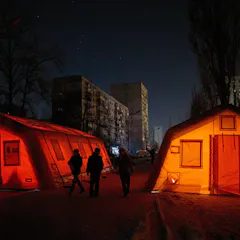
Ukraine and Russia’s power grids used to be linked, leaving Russia with a deep understanding of how Kyiv’s energy systems work.

From dry air to indoor crowding, winter creates the perfect conditions for respiratory viruses to thrive.
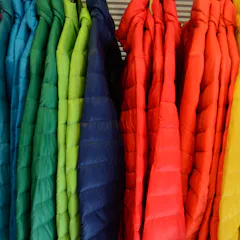
Winter jackets may seem simple, but sophisticated engineering allows them to keep body heat locked in, while staying breathable enough to let out sweat.
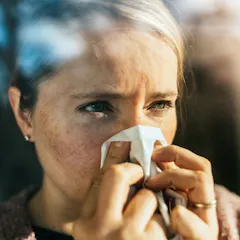
They share many symptoms, but here’s how to tell the difference.

Food is more than nutrition, it can be a form of medicine rooted in ritual, comfort and care.
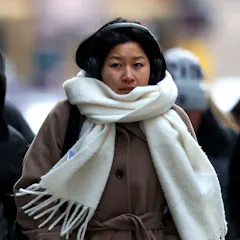
That depends on how you define ‘normal.’ The baseline has been creeping up as the planet warms.

In theory, time-of-use pricing should nudge households to use electricity when it’s cheaper and more plentiful, saving on bills and grid costs. In practice, it isn’t working well for many households.

Wool, cotton, polyester? Here’s what we found when it comes to choosing the right textiles for sleep.

Electric vehicles are catching on across the US, but they’re also catching on fire in colder regions like the Northeast and Midwest.

Shivering actually helps warm our bodies up.
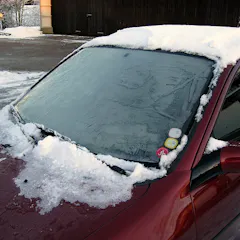
When you’re running late in the winter, you don’t want to have to spend time scraping frost off your windshield. Try some expert-recommended techniques instead.

Alberta’s experiment with voluntary ‘switching off’ was a success both in terms of saving electricity and in showcasing the power of proactive informed action to address the climate crisis.
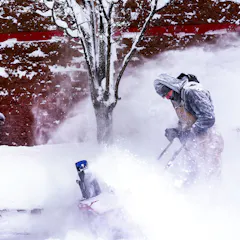
The world can expect fewer severe cold events as average temperatures rise, but people still need to be prepared for wintery blasts.

Research suggests we should embrace feeling down when ill.

A better understanding of the interactions between the boreal forest and snow will make it possible to improve hydrological models and ensure optimal management of the resource.
Top contributors
-

Assistant Professor of Medicine, Bond University
-
Professor of Anatomy, Lancaster University
-
Associate Professor of Science & Medicine, Bond University
-
Professor of Climate Science, UMass Lowell
-
Professor of Housing Research, Adelaide University
-
Associate Professor in Architecture, Adelaide University
-
Associate Professor of Physiotherapy, University of Technology Sydney
-
David King is a Friend of The Conversation.
Senior Lecturer in General Practice, The University of Queensland
-
Postdoctoral Research Fellow, Australian Centre for Housing Research, Adelaide University
-
Postdoctoral Research Fellow, Muscle Physiology, Karolinska Institutet
-
Research Assistant, University of Canberra
-
Professor, Curtin School of Allied Health, Curtin University
-
Senior Lecturer in Exercise Physiology, Nottingham Trent University
-
Climate scientist, Massachusetts Institute of Technology (MIT)
-
Consultant Dermatologist, St Vincent's Hospital Melbourne