
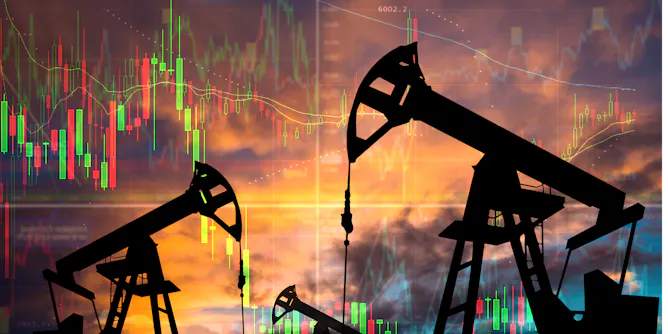
When big investors like Blackrock get worried about their returns, they have the power and incentive to make fossil fuel companies take action.
Articles on Emissions
Displaying 181 - 200 of 413 articles
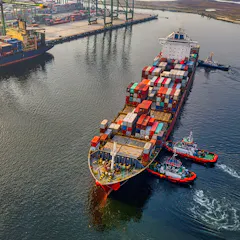
If shipping were a country, it would rank between Japan and Germany as the sixth-largest contributor to global carbon dioxide emissions.
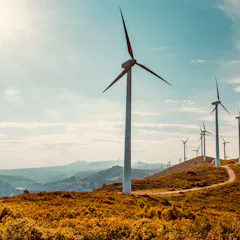
Some Australian states have committed to 100% renewable energy targets, or even 200% renewable energy targets. But this doesn’t mean their electricity is, or will be, emissions free.
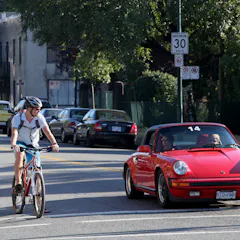
Cities around the world are reducing traffic speeds and improving access to local services and activities by public transport, cycling and walking. They are now reaping the many ‘slow city’ benefits.

The lead author of a new UN report on methane explains the findings and how oil and gas companies could be making money and saving the climate at the same time.
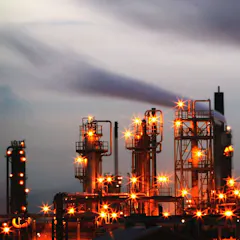
CEOs, including at oil companies and airlines, are relying on trees and oceans to capture and store carbon for them, but the numbers don’t add up.
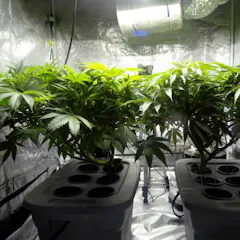
Growing weed indoors is not an environmentally friendly process. Climate controls create a lot of greenhouse gas emissions, and where the pot is produced has a huge influence on emission levels.

Tackling climate change involves changes in behaviour that would significantly improve people’s general health — and save money.
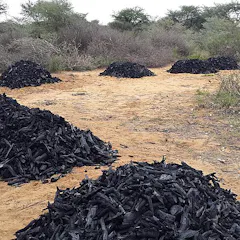
Attempts to formalise charcoal production have been largely unsuccessful.
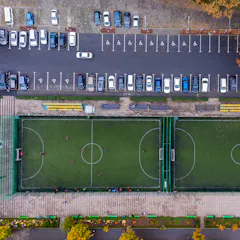
A person who exercises, attends sporting events as a spectator and takes their kids to the oval or swimming pool will create 935 kg of CO₂ per year if using their car.
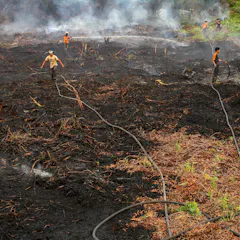
Indonesia’s Peatland Restoration Agency is likely to have its tenure extended by four years. What has been achieved and what should the agency focus on for the next term?
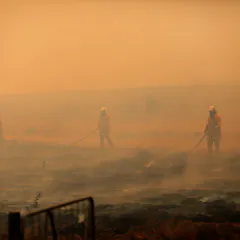
Universities and the professions are changing in response to climate change. When will the advances in knowledge and practice we are already seeing prompt governments to act with the required urgency?
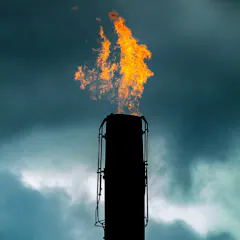
It reveals in alarming detail how gas emissions are cancelling out the gains won by Australia’s renewables boom, and uncovers misleading claims underpinning our gas-led economic recovery.

Changes to the way houses and other buildings are constructed could lower energy use and greenhouse gas emissions.

A building designed to be easily taken apart so the components can be reused is a model for much less wasteful construction. It reduces resource use and environmental impacts, and can be cheaper too.
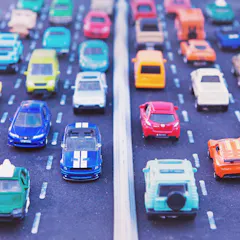
Life cycle assessments of electric vehicles show that they cannot fully eliminate the greenhouse gas emissions of personal travel. We also need bikes, buses and trains to solve our climate problems.
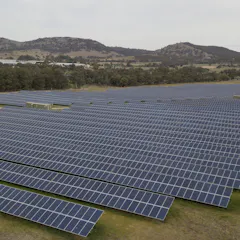
Universities are vital hubs of research and teaching on climate change and, as big organisations, produce significant emissions themselves. They should therefore lead action to limit climate change.
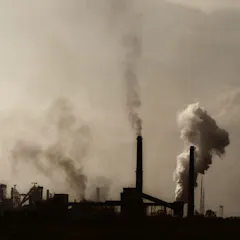
The coronavirus pandemic caused the UN’s annual climate conference to be postponed by a year, but it was also responsible for a drop in carbon emissions. Is it enough and will it last?
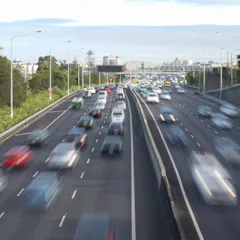
Motorways were once seen as a way of reducing congestion in our towns and cities. But the more we build, the more they fill with drivers.
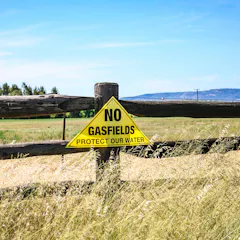
Investment in gas will not herald Australia’s economic recovery. It’s likely to hinder it.
Top contributors
-

Professorial Fellow, University of Canberra
-
Chief Research Scientist, CSIRO Environment; Executive Director, Global Carbon Project, CSIRO
-
Senior Research Fellow and Associate Professor, Melbourne Climate Futures initiative, The University of Melbourne
-
Professor, Crawford School of Public Policy and Director, Centre for Climate and Energy Policy, Australian National University
-
Senior Lecturer, Griffith Business School, Griffith University
-
Adjunct professor, UNSW
-
Climateworks Centre CEO, Monash University
-
Professor of Transport Technology and Sustainability, Swinburne University of Technology
-
Senior Industry Fellow, Environment and Planning, RMIT University
-
Associate Professor in Property, Construction and Project Management, RMIT University
-
Professor of Law, Deakin University
-
Professor of Engineering, Australian National University
-
Honorary Fellow, Melbourne Climate Futures, The University of Melbourne
-
Senior Research Associate, Renewable Energy & Energy Systems Analyst, UNSW
-
Professor, School of Economics, The University of Queensland