

Child malnutrition is no stranger to high-income countries. In Canada and the U.S., food insecurity affects one in six children under 18, but policies to address the issue are still lacking.
Articles on Hunger
Displaying 101 - 120 of 280 articles
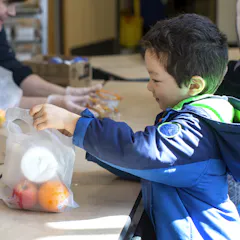
An expert on food policy explains how the end of COVID-19 waivers will impact children’s access to food, as well as the importance of food banks and pantries.
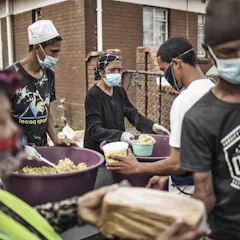
Problems caused by malnutrition - such as obesity - are on the rise in South Africa, with serious health consequences.

As Zimbabwe heads for 2023 presidential elections, there are key things voters should watch out for in the social protection promises made by candidates.

Millions of people experiencing food poverty turn to food banks, and the number is growing.
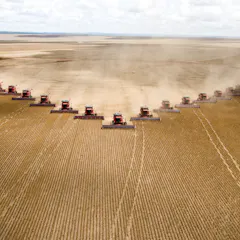
A new study finds that by 2030, less than one-third of the world’s major crop harvests will go directly to feed people.
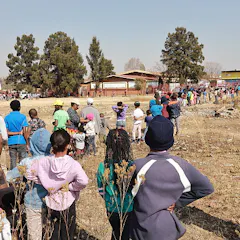
More than a third of people living in South Africa’s richest province Gauteng can’t afford to buy enough food.
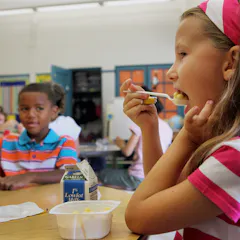
Experts say making meals available to all students reduces the stigma associated with a free lunch.
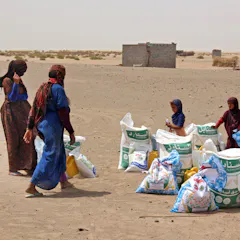
Grain and fertilizer shortages, higher shipping costs and a strong dollar are all pushing food prices up and increasing hunger in dozens of vulnerable countries.
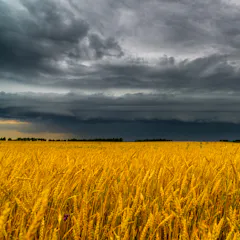
Climate change is already cutting crop yields. War and unrest are likely to compound these issues for food-importing nations.
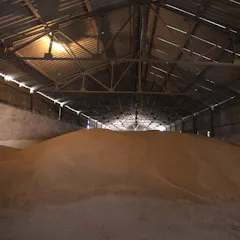
Environmental catastrophe, war, a worldwide pandemic. What does this mean for feeding the world today and in the future?
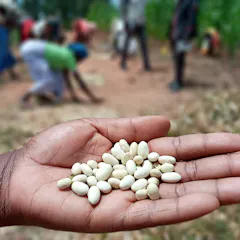
Reviving long-lost legume species could help improve global food security and decrease world hunger.

The emergence of community fridges during the pandemic helps communities help each other while fighting food waste.
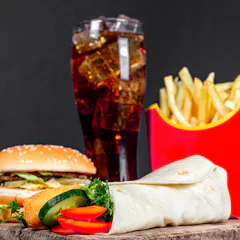
Fast food brands target high- and middle-income groups who have incomes to adopt so-called modern lifestyles, including consuming fast food regularly.
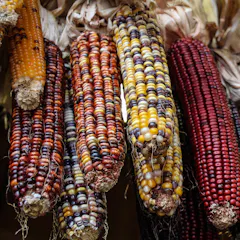
Our food systems are failing to feed all of us.
In this episode of Don’t Call Me Resilient, we pick apart what is broken and ways to fix it with two women who battle food injustice.
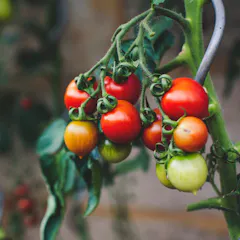
The COVID-19 pandemic has highlighted the problem of food insecurity for many people, especially racialized and Indigenous households.

With the high cost of infant formula, food-insecure mothers who cannot breastfeed are struggling to feed their babies.
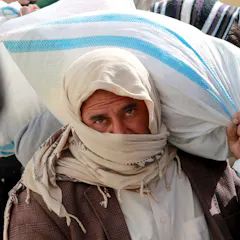
Afghanistan is facing a looming hunger crisis. But the world must engage with the Taliban on purely pragmatic and humanitarian grounds, without extending formal recognition.
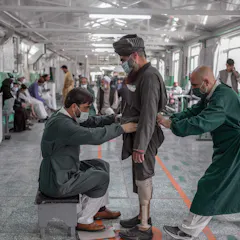
A scholar from Afghanistan outlines what more than $150 billion in assistance did and didn’t accomplish in two decades following the arrival of U.S. troops un 2001.

There’s a crucial need to connect the most vulnerable people with public services in order to tackle systemic poverty and disadvantage. An integrated approach is key.
Top contributors
-

Professor of Social Development Studies, University of Johannesburg
-
Professor in Food Security; Head of the Department of Agricultural Economics, Extension and Rural Development, University of Pretoria
-
Professor of Economics, Baylor University
-
researcher, University of Cape Town
-
Assistant Professor of Public Health, Indiana University
-
Network and Research Manager: ARUA – UKRI GCRF FSNet Africa, University of Pretoria
-
Principle dietitian at the Nutrition Information Centre, Stellenbosch University
-
Associate Professor of Nutrition Science, Purdue University
-
Professor Emeritus of Food Security, Tufts University
-
Senior Lecturer in Nutrition and Dietetics, University of Wollongong
-
Professor of Nutritional Sciences, University of Toronto
-
Professor of Economics Emeritus, University of Michigan
-
Professor and Head of Division Human Nutrition at the Faculty of Medicine and Health Sciences, Stellenbosch University
-
Research Program Coordinator, Food Insecurity, University of Toronto
-
Research associate at African Centre for Cities, University of Cape Town