

The absence of effective government policy doesn’t make citizens free. It takes away their power, leaving them less able to act to address their needs. That’s especially clear during the pandemic.
Articles on Hunger
Displaying 161 - 180 of 280 articles
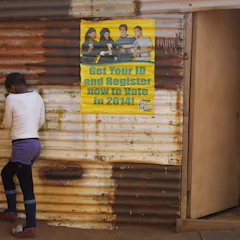
Some caregivers reported seeing improvements in their children’s schoolwork and behaviour at school.
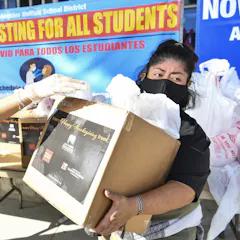
Nonprofits are being forced to do more with less money, which may force many of them to close within the next couple of years.

African countries need multi-sectoral approaches to tackle food insecurity.
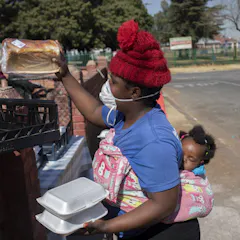
Despite the success of relief efforts by the government and civil society, it’s clear that hunger and food insecurity remain at disturbingly high levels in households.
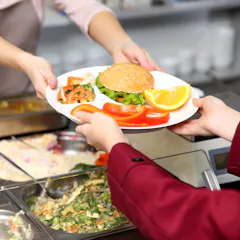
School food programs should be key elements of governments’ COVID-19 responses. In planning these, the relationships that are part of providing food matter.
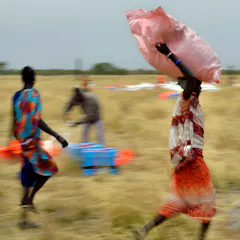
Over 820 million people around the world go to bed hungry at night, and that tide is rising. For working to reverse it, the U.N. World Food Program has received the 2020 Nobel Peace Prize.
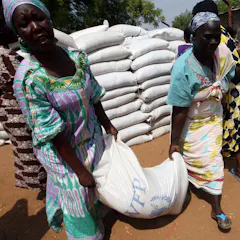
The World Food Programme can’t stop hunger on its own – that also requires political action.

Concerns about having enough to eat are worsening among college students during the pandemic. This could ultimately affect how many finish school, two scholars argue.

Marcus Rashford has spoken eloquently about what happens when the government does not provide adequate support for food-insecure families. Children we interviewed said the same thing.

Food insecurity is income insecurity. After COVID-19, we must no longer tolerate the inequities of corporate charity and the stigma associated with relying on society’s leftovers for those in need.

A lack of sleep increases appetite, makes us more likely to eat unhealthy foods, and even affects how body fat is lost while dieting.
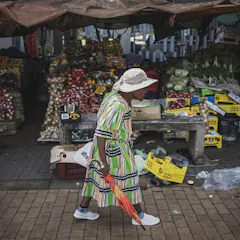
We highlight the distressing rise in the prices of essential food products. We call for the urgent expansion of price controls, as well as an inquiry into the price-setting of major retailers.
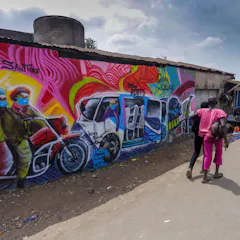
Social protection measures and food distribution targeting adolescents in informal settlements are urgently needed.
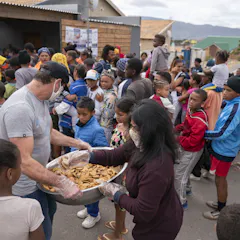
South Africans have experienced significant shocks to their livelihoods, and the threat of hunger presents a major concern for health, political and social stability.

A new UN report shows that hunger and food insecurity are rising worldwide. The COVID-19 pandemic is adding to this trend, but is not the major driver.
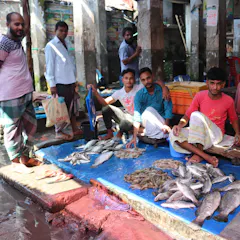
The urban poor in Bangladesh’s small cities already faced food insecurity before COVID-19 – but the lockdown made affording food much harder.
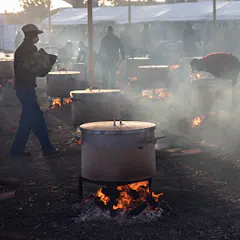
Civil society activists responding to the COVID-19 social crisis face important challenges and tensions. They should tackle these choices head-on as they develop longer-term plans.

Fast-food restaurants can be comforting places, but when they saturate communities, they crowd out healthy food sources and leave residents less nourished.

The judgment creates a new layer of uncertainty in an already highly fluid situation and heaps further unwelcome pressure onto government.
Top contributors
-

Professor of Social Development Studies, University of Johannesburg
-
Professor in Food Security; Head of the Department of Agricultural Economics, Extension and Rural Development, University of Pretoria
-
Professor of Economics, Baylor University
-
researcher, University of Cape Town
-
Assistant Professor of Public Health, Indiana University
-
Network and Research Manager: ARUA – UKRI GCRF FSNet Africa, University of Pretoria
-
Principle dietitian at the Nutrition Information Centre, Stellenbosch University
-
Associate Professor of Nutrition Science, Purdue University
-
Professor Emeritus of Food Security, Tufts University
-
Senior Lecturer in Nutrition and Dietetics, University of Wollongong
-
Professor of Nutritional Sciences, University of Toronto
-
Professor of Economics Emeritus, University of Michigan
-
Professor and Head of Division Human Nutrition at the Faculty of Medicine and Health Sciences, Stellenbosch University
-
Research Program Coordinator, Food Insecurity, University of Toronto
-
Research associate at African Centre for Cities, University of Cape Town