
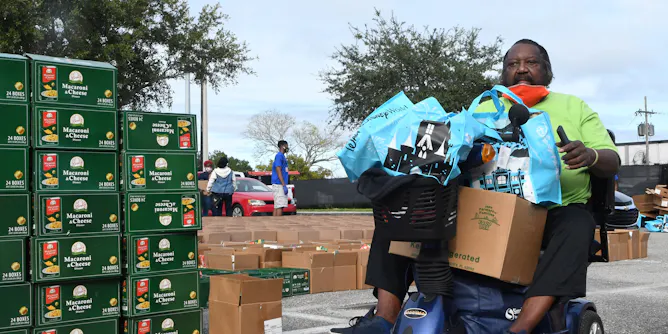
While long lines and food shortages are frustrating for most consumers, they can be physically and emotionally grueling for people with disabilities.
Articles on Hunger
Displaying 141 - 160 of 280 articles
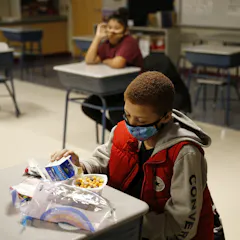
Chronic absenteeism is a pressing issue in high-poverty schools, but research suggests that serving students breakfast during class can help keep kids in school.
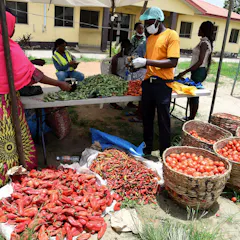
To overcome food insecurity, especially in a pandemic, Nigeria’s emergency preparedness requires a total overhaul of it’s agri-food supply chain.

New research shows both adults and kids are eating more nutritious food. But minorities and low-income populations still lag behind the rest.

The federal government has temporarily widened eligibility for food assistance to more students. Two scholars argue this needs to be made permanent and be accompanied with an awareness campaign.
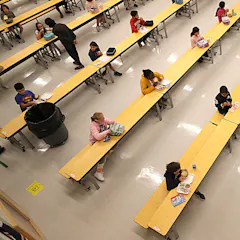
Students are spreading out when they eat and using more single-serve packaging. Future changes to school meals could be less visible.
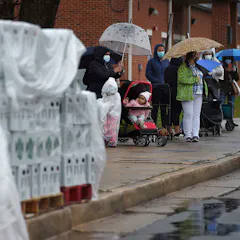
A team of experts are projecting that after a steep increase in 2020, food insecurity rates will dip in 2021. But behind this is a racial gap – rates for Black Americans will remain stubbornly high.
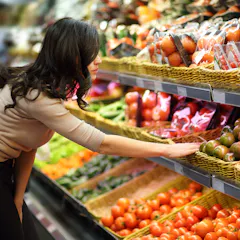
Food insecurity affected many students even before the pandemic hit, with international students the worst hit. But students and universities have shown a lot can be done to end the problem.

It’s possible to feed the world’s 7.8 billion people with more environmentally friendly farming practices. Here’s how.
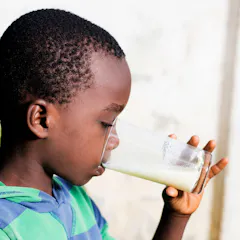
Poor nutrition stunts children’s growth and hollows out their life chances.

Our study found that people who prepared their own food or watched their food being made ate more on average.

The Biden administration is trying to shore up SNAP, a mainstay of the safety net.
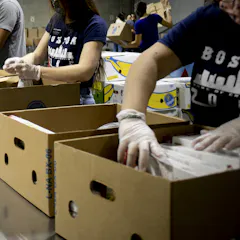
Food production in the US is heavily concentrated in the hands of a small number of large agribusiness companies. That’s been good for shareholders, but not for consumers.

The United States has a robust food supply chain and a social safety net in place that could, if fully utilized, nearly eliminate hunger within its borders.

A food policy researcher helps make sense of the lexicon of US food policy terms, and explains how they relate to racial justice.
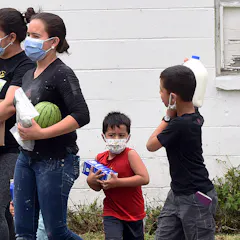
An estimated 1 in 4 US children have trouble getting enough to eat at least sometimes. We asked four scholars for their insights..
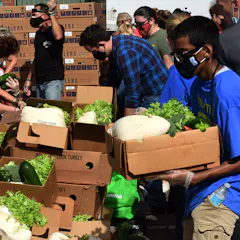
The boxes and bags people get from food pantries contain healthier food than you might suspect.

Not having enough to eat is a major public health concern, not only because it causes hunger and distress, but also because it’s linked to poor nutrition and unstable diet patterns.
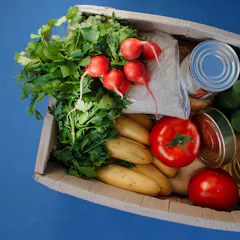
Dayton Children’s Hospital has begun to screen patients and their families for food insecurity, referring many of them to its ‘Food Pharm.’

The federal government’s response to the scourge of food insecurity must involve a lot more than just encouraging Canadians to donate canned goods. It must honour Canadians’ right to food.
Top contributors
-

Professor of Social Development Studies, University of Johannesburg
-
Professor in Food Security; Head of the Department of Agricultural Economics, Extension and Rural Development, University of Pretoria
-
Professor of Economics, Baylor University
-
researcher, University of Cape Town
-
Assistant Professor of Public Health, Indiana University
-
Network and Research Manager: ARUA – UKRI GCRF FSNet Africa, University of Pretoria
-
Principle dietitian at the Nutrition Information Centre, Stellenbosch University
-
Associate Professor of Nutrition Science, Purdue University
-
Professor Emeritus of Food Security, Tufts University
-
Senior Lecturer in Nutrition and Dietetics, University of Wollongong
-
Professor of Nutritional Sciences, University of Toronto
-
Professor of Economics Emeritus, University of Michigan
-
Professor and Head of Division Human Nutrition at the Faculty of Medicine and Health Sciences, Stellenbosch University
-
Research Program Coordinator, Food Insecurity, University of Toronto
-
Research associate at African Centre for Cities, University of Cape Town