
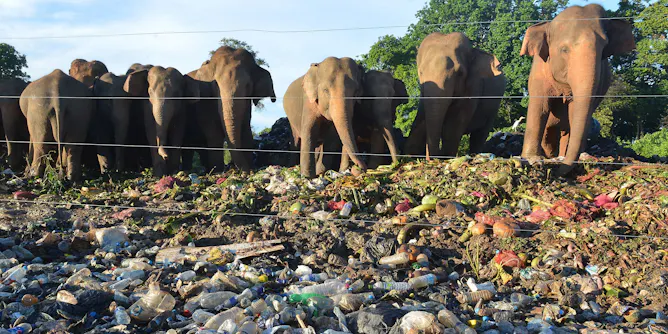
A new study looks back into history to assess human impacts on the range of Asian elephants and finds sharp decline starting several centuries ago.
Articles on Land use
Displaying 41 - 60 of 111 articles
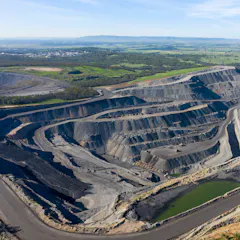
The people of the Hunter have a clear picture of the future they want. But to unlock the region’s future opportunities, we must first clean up the costly legacy of its coal-mining past.
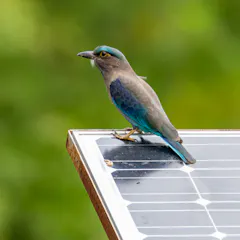
Solar panels can provide places for animals to rest, shelter and breed – potentially benefitting both the land and farmers.
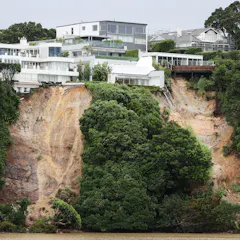
Building too close to cliffs and slopes, weak soils, lack of vegetation and increased rainfall all played a part in the massive storm damage to Auckland. The city needs to change the way it uses land.
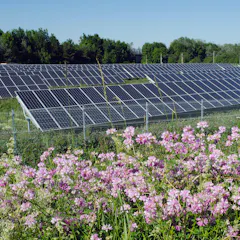
Nestled among farmland, solar farms can be a refuge for wildlife.
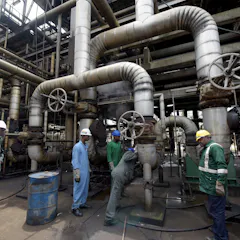
There should be a better long-term strategy for foreign direct investments in Nigeria that’s not tied to its oil reserves.
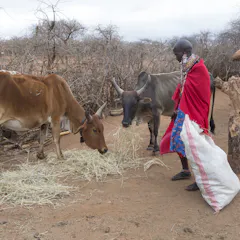
Improving the diets of livestock in Africa provides a rapid pathway to increasing nutrition for people.
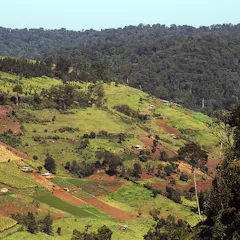
Political interests have informed conservation policies in one of East Africa’s most important water towers, the Mau Forest Complex.

A climate-friendly diet is a relatively easy way to reduce your environmental impact.
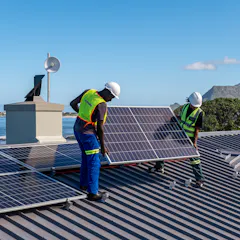
Removing red tape for new renewable energy projects will see additional energy coming online quite quickly.
After years of neglect, Australia’s environmental crises can wait no longer. Here’s what our new government can do quickly to begin turning things around.
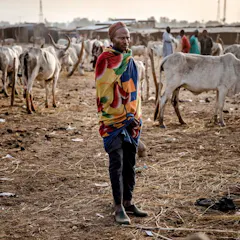
Under certain conditions, climate can amplify security risks, with implications for lasting peace.
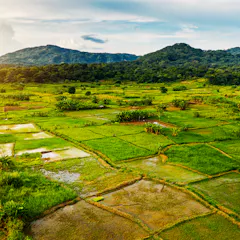
New research quantifies the link between agricultural practices and malaria transmission in sub-Saharan Africa.

Environmental footprint calculators may promise to help consumers lead a greener life. But they may in fact encourage choices that don’t benefit – or even harm – the environment.
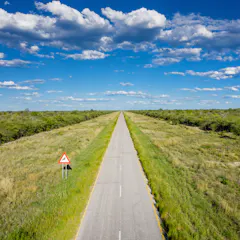
The presence of roads, even inside protected areas, may pose a significant threat to species.
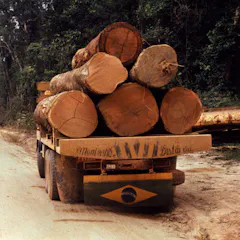
World leaders are slowly learning from decades of failure on tropical forest conservation.
In the formal real estate industry, there is an emerging narrative that affordable housing deficits in African cities represent a vast untapped market
A complete switch to biofuels is neither feasible nor desirable, but they could replace some fossil fuels in transport and heating. If biofuels are produced from waste products, that’s even better.

Abandoned US oil and gas wells and their associated land cover more than 2 million acres, a recent study estimates – an area larger than Delaware and Rhode Island combined.
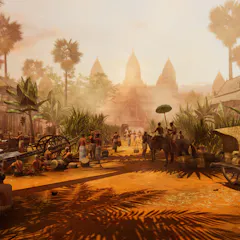
Combining archaeological evidence, aerial scans and machine learning algorithms, researchers modeled how this medieval city grew over time.
Top contributors
-

Lecturer in Conservation, The University of Queensland
-
Professor in Conservation Science, School of the Environment, The University of Queensland
-
Research associate, The University of Melbourne
-
Oppenheimer-Jamma Research Chair in African Wildlife Economies, Stellenbosch University
-
Senior Lecturer in Chemical and Renewable Energy Engineering, University of Newcastle
-
Senior Research Fellow, School of Geography, Earth and Atmospheric Sciences, The University of Melbourne
-
Professor of International Planning, Centre for Urban Research, RMIT University
-
Research Scientist, CSIRO
-
Associate Professor, Centre for Sustainability Transitions, Stellenbosch University
-
Professor of Human Geography, The University of Queensland
-
Senior Lecturer in Urban and Environmental Planning, Griffith University
-
PhD Candidate, Doctor of Social Sciences, Royal Roads University
-
Associate Professor, Deakin University
-
Researcher in Conservation Decision Science and Land Use, University of Oxford
-
Associate Professor, Institute for Sustainable Futures, University of Technology Sydney