
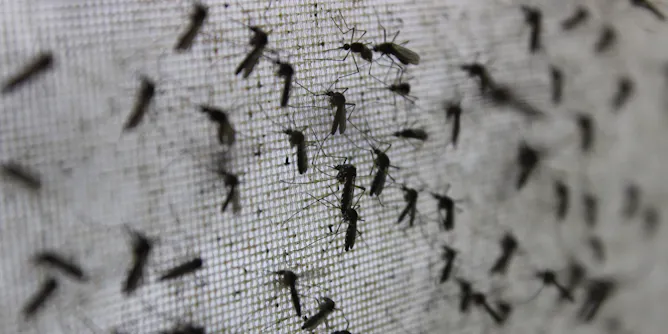
Upscaling the success of emerging mosquito control technologies relies on automating the rearing and release of millions of mosquitoes. Australia is to become the testing ground for a novel strategy.
Articles on Mosquitoes
Displaying 181 - 200 of 245 articles
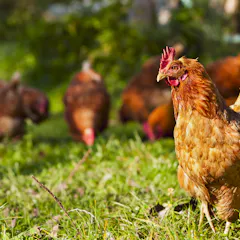
Anopheles arabiensis is the world’s most common, malaria-carrying mosquito. Now it’s emerged that chickens emit an odour that can repel the deadly insects.
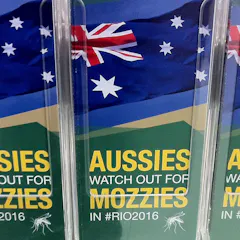
New research shows common local mosquitoes aren’t able to spread Zika. This means Australia is unlikely to see a major outbreak of the disease. But a risk remains in northern Queensland.
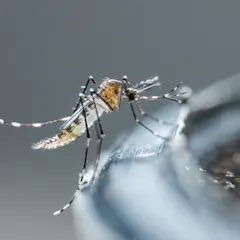
A virologist gives the low-down on chikungunya.
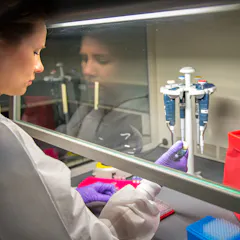
A computer model suggests that while more cases of Zika can be expected in the continental U.S. outbreaks will probably be small and are not projected to spread.
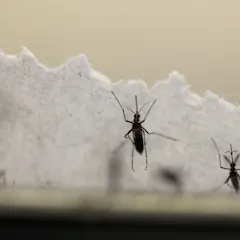
While no one likes getting bitten by mosquitoes, you might be surprised (and even a little fascinated) at the complex adaptions mosquitoes have developed to locate their favorite food sources.

Arthrogryposis is where a baby’s joints are deformed due to a shortening (known as contractures) of the muscles from before birth.
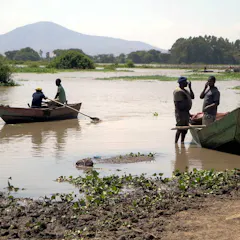
The construction of dams in Africa, in some cases, bring an unintended consequence – an increase in malaria in the surrounding areas.

Bednet insecticides should kill mosquitoes on contact, but some have become highly resistant to the chemicals.
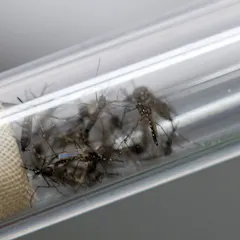
Recently two events concerning the Zika epidemic coincided: two potential vaccines against the virus were declared a success when used in mice, and Jason Day withdrew from the Olympic Games.
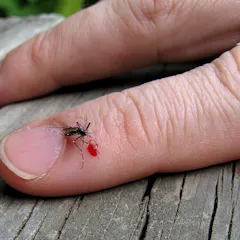
Mosquito bites may make you more than itchy. New research suggests the itchier the bite, the more likely a mosquito-borne virus may make you sick.
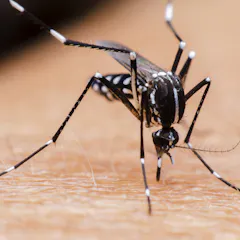
Inflammation caused by mosquito bites helps viruses to infect the body.
Innovations targeted at mosquito control are good but should not draw focus away from the tried and tested public health measures to control mosquito-borne diseases.
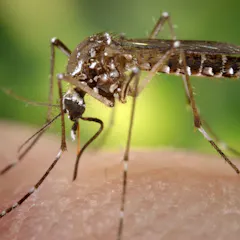
More people in the U.S. and world will be exposed to the disease-carrying mosquito Aedes aegypti, not just because of warmer temperatures but global population changes as well.
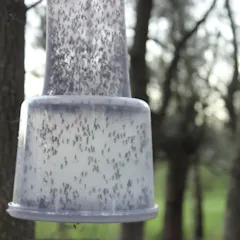
A war is raging in your backyard between the “good” and “bad” mosquitoes.
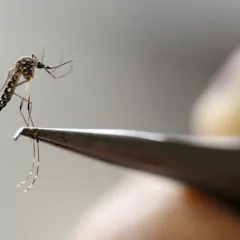
Look beyond transgenic techniques that add new genes to a species. People have used selective breeding techniques to change plants and animals for millennia – why not try them on mosquitoes?

How does an institution like the World Bank come to put a price tag on a virus like Zika or any other health calamity?
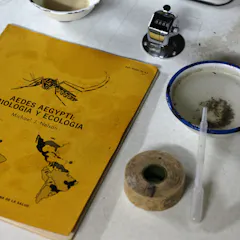
Aedes aegypti is adapted to live in close proximity with humans, and this close association likely contributes to the severity of the Zika outbreak.

Satellite imaging can locate mosquito-friendly environments, allowing us to predict the advance of diseases they carry.
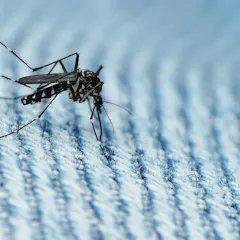
Despite all the hype around Zika, crucial questions remain unanswered. How great is the risk that infection during pregnancy would result in a baby with microcephaly? And what can be done to prevent this?
Top contributors
-

Clinical Associate Professor, School of Medical Science & Sydney Infectious Diseases Institute; Principal Hospital Scientist, University of Sydney
-
Medical scientist, National Institute for Communicable Diseases
-
Principal Medical Scientist and Head of Laboratory for Antimalarial Resistance Monitoring and Malaria Operational Research, National Institute for Communicable Diseases
-
Medical Entomologist, The University of Queensland
-
Medical Entomologist at the School of Biological Sciences, University of Nairobi
-
Dean Students, College of Health, Adelaide University
-
UP ISMC: Project Manager and Coordinator, University of Pretoria
-
Professorial Research Fellow, James Cook University
-
Director: UP Institute for Sustainable Malaria Control, University of Pretoria
-
Associate Professor, Ecology, Northumbria University, Newcastle
-
Professor, The University of Queensland
-
Scientist, International Centre of Insect Physiology and Ecology
-
Research Fellow at the University of Sydney, University of Sydney
-
Professor of Advanced Technology Transitions, Arizona State University
-
Distinguished Professor, Public Health and Medical Anthropology, University of the Witwatersrand