

It’s tempting to ditch the mozzie creams and sprays, and switch to clothing that has its own “built in” bug repellent instead. But the technology isn’t quite there yet.
Articles on Mosquitoes
Displaying 141 - 160 of 245 articles

The fight against malaria needs scientific innovation. But community buy-in is just as important.
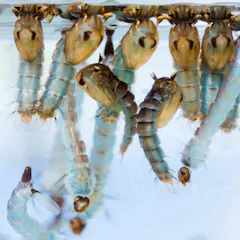
Researchers have tried unsuccessfully for decades to develop a malaria vaccine. Now a new approach, showing promise in mice, suggests it is possible to block mosquitoes from spreading the disease.

Japanese encephalitis virus is rare and doesn’t usually cause symptoms. But in a small proportion of cases it can result in long-term neurological impairment and death.

South Africa is piloting a new technique as it drives to eliminate malaria.

The forecast arrival of El Niño may mean the east coast of Australia will experience an exceptionally hot and dry summer, but does this mean there will be fewer mosquitoes buzzing about?
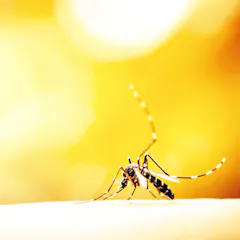
Is our changing climate making regions of the US more suitable for ticks and mosquitoes that spread diseases? Or is the climate changing human physiology making us more vulnerable?
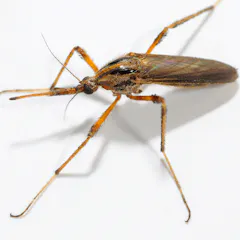
Yes, giant mosquitoes are a thing. They’re specialized to wait out the dry times only to emerge from their eggs when high water provides the perfect larval environment.
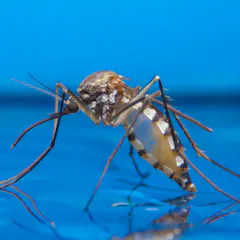
Mosquitoes are transferring microplastics eaten in water into birds and other non-marine animals.

Bug sprays with DEET feel oily and smell gross. That’s why scientists are developing new mosquito repellents based on natural plant oils. But translating these into commercial products isn’t easy.
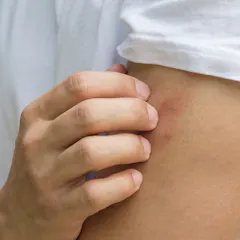
Mosquitoes are picky about who they bite but it’s not actually “us” that they’re smelling when they choose their next meal…
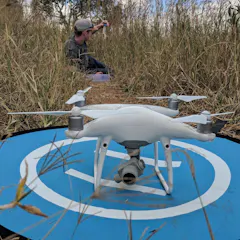
High-tech drones and low-tech ‘bucket and spade’ are helping Malawians fight malaria.
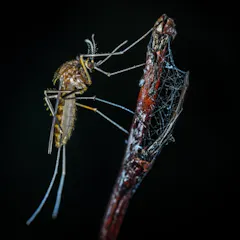
Mosquito abundance is linked to climate and weather, and global climate change may be helping spread these dangerous carriers of disease.

Jurassic Park’s dinosaur DNA premise is not so simple in real life
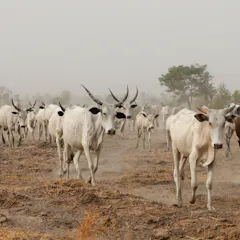
As rain continues to fall in Kenya, national and county governments must put measures in place to prevent a Rift Valley fever outbreak.
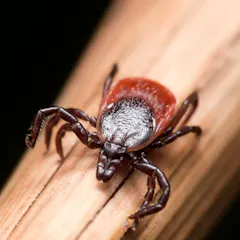
The CDC recently announced an uptick in diseases spread by vectors such as mosquitoes and ticks. Here’s why and what you can do to lower your risk.

Malaria elimination in Malawi is lagging because research isn’t being used properly.
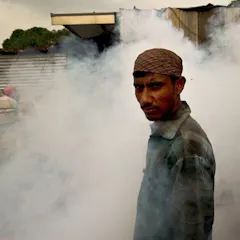
The spread of infectious diseases such as chikungunya is closely linked to urban mobility, yet small Indian cities could play a crucial role in the resilience process.
Those “itchy bites” are actually reactions to mozzie spit.
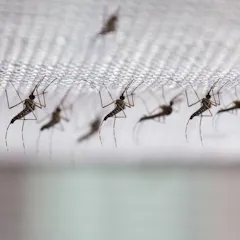
Kenya must establish policies to tackle dengue fever and chikungunya, like it did for malaria.
Top contributors
-

Clinical Associate Professor, School of Medical Science & Sydney Infectious Diseases Institute; Principal Hospital Scientist, University of Sydney
-
Medical scientist, National Institute for Communicable Diseases
-
Principal Medical Scientist and Head of Laboratory for Antimalarial Resistance Monitoring and Malaria Operational Research, National Institute for Communicable Diseases
-
Medical Entomologist, The University of Queensland
-
Medical Entomologist at the School of Biological Sciences, University of Nairobi
-
Dean Students, College of Health, Adelaide University
-
UP ISMC: Project Manager and Coordinator, University of Pretoria
-
Professorial Research Fellow, James Cook University
-
Director: UP Institute for Sustainable Malaria Control, University of Pretoria
-
Associate Professor, Ecology, Northumbria University, Newcastle
-
Professor, The University of Queensland
-
Scientist, International Centre of Insect Physiology and Ecology
-
Research Fellow at the University of Sydney, University of Sydney
-
Professor of Advanced Technology Transitions, Arizona State University
-
Distinguished Professor, Public Health and Medical Anthropology, University of the Witwatersrand