

New Zealand’s track record in domestic marine protection is woeful and its proposal to resume oil and gas licensing offshore has been criticised by Pacific island states.
Articles on Science + Environment
Displaying 1 - 20 of 88 articles
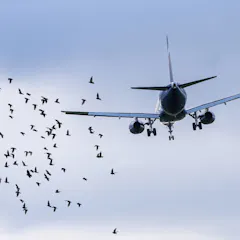
Collisions between birds and planes peak at the end of the breeding season when fledglings join flocks. For these young birds, avoiding foreign objects in the flight path may be a learned behaviour.

Biodiversity credits could unlock new funding for nature restoration. But if this happens without consideration of Indigenous data sovereignty, it could create a new form of colonialism.
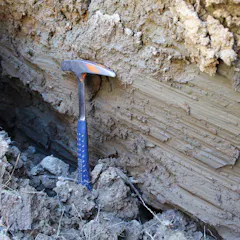
New research shows the last big earthquake on the Alpine Fault ran from south to north. With a 75% chance of another rupture in the next 50 years, this improves how we can forecast its impact.
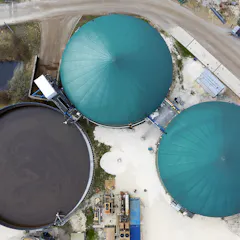
Integrating biogas, heat and floating solar panels on wastewater ponds could generate enough electricity to supply about 27% of households with renewable energy.
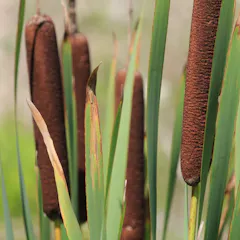
Māori used all parts of raupō for weaving and food, but the plant also kept lakes healthy. This connection between cultural and ecological roles means its fate is closely linked with people.
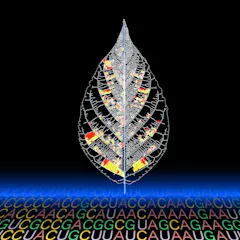
Discussions about the rules governing genetic technology in New Zealand remain complex. But they need not be marked by conflict, as long as people’s views and values are genuinely considered.
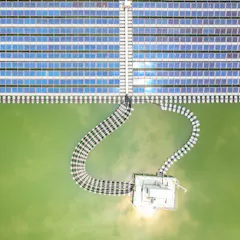
With more than 200 wastewater ponds, New Zealand has an untapped opportunity to install floating solar panels to increase renewable generation and to reduce algal growth in the ponds at the same time.

The crime of genocide was adopted in 1948 following the second world war. Given the existential threats from ecological crises, it is timely to call for the recognition of ecological crime.
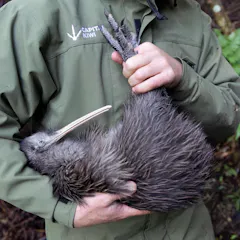
A recent announcement that kiwi and moa are Australian immigrants is not borne out by available evidence. Working out when birds arrived in New Zealand requires both fossil evidence and genetics.
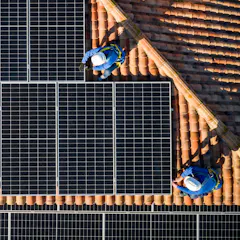
Just 14 of Auckland’s largest building rooftops add up to the same area as the biggest solar farm – but they could generate electricity where it’s most used to keep the lights on during disasters.
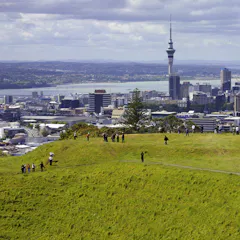
It’s not enough to have parks in city outskirts or urban green belts. Green spaces must be accessible for residents and placed to provide effective flood protection for cities.
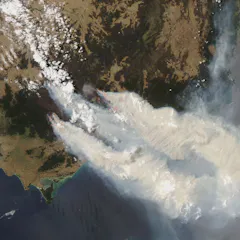
More frequent wildfires, emissions from rocket launches and more satellite debris burning up in the atmosphere all contribute to ozone depletion and could slow the recovery of the ozone layer.

Vague environmental claims are in breach of international best practice and Commerce Commission guidelines, which list the “dolphin friendly” label as a claim that should not be used.

The discovery of the Manawatāwhi pāua, unique to the Three Kings Islands, highlights the need to build taxonomic expertise to speed up work to describe thousands of as-yet unnamed species.
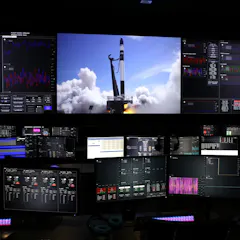
The New Zealand Space Agency’s dual role as regulator and sector developer introduces a conflict of interest and skews the aerospace industry towards economic growth, at the cost of sustainability.

The benefits of leafy mistletoes for wintering arthropods include shelter from extreme weather and hungry birds as well as a more humid microclimate to avoid desiccation.
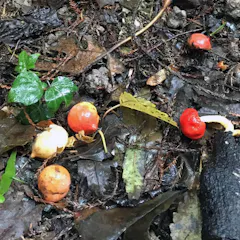
With no land mammals to eat and disperse them, New Zealand’s truffle-like fungi mimic fallen fruit to attract birds. But with so many of those birds now extinct, can ecosystems adapt?
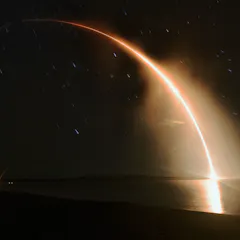
With every satellite placed into orbit, its reflective surface increases the ambient glow of the night sky, which is now 10% brighter than if it were illuminated only by natural sources.
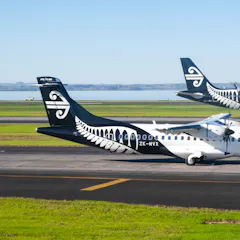
Business growth and cutting emissions don’t always go hand in hand. Airlines and other companies may need to rethink their business models to achieve a low-carbon transition.
Top contributors
-

Senior Lecturer in Physical Geography, Te Herenga Waka — Victoria University of Wellington
-
Morgan Foundation Senior Research Fellow in Freshwater Ecology and Environmental Science, Te Herenga Waka — Victoria University of Wellington
-
Senior Lecturer in Mechanical Engineering, University of Auckland, Waipapa Taumata Rau
-
Senior Research Fellow, University of Canterbury
-
Professor in Applied Mathematics, Te Kunenga ki Pūrehuroa – Massey University
-
Associate Professor in Botany, University of Otago
-
Professor of Applied Geology, University of Auckland, Waipapa Taumata Rau
-
Professor in Marine Biology, Nord University
-
Professor in Ocean Physics, University of Auckland, Waipapa Taumata Rau; Earth Sciences New Zealand
-
Associate Professor of Ecology, Lincoln University, New Zealand
-
Professor of Glaciology, Te Herenga Waka — Victoria University of Wellington
-
Distinguished Scholar, National Center for Atmospheric Research; Affiliate Faculty, University of Auckland, Waipapa Taumata Rau
-
Ice Sheet & Climate Modeller, Te Herenga Waka — Victoria University of Wellington
-
Adjunct Senior Fellow in Renewable Energy Systems Engineering, University of Canterbury
-
Associate Professor in Ancient DNA, University of Otago