

South Africa’s water law promises fairness, but ageing infrastructure, weak governance and unequal power leave many without reliable water.
Articles on Smallholder farming
Displaying 1 - 20 of 53 articles
Trade within the Southern African Development Community is an issue holding back agriculture.
Isolated interventions are unlikely to help small sugarcane growers. Improving productivity requires integrated support systems.
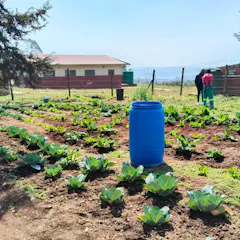
In a rural South African village, climate action is influenced by ubuntu: the belief that people are connected and have a responsibility to one another.
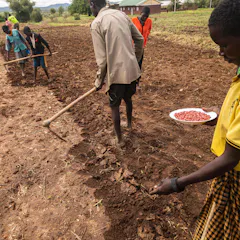
Figuring out how climate change will cause plant disease and pests to spread across Africa’s Great Lakes farms is critical for future food supplies.
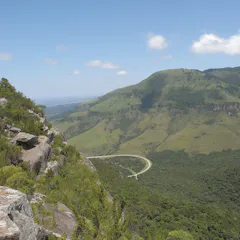
Carbon capture projects could provide the funds needed to restore land degraded by commercial farming and forestry.

Zambia’s smallholder farmers face rising cases of heatstroke when working.
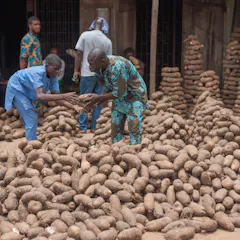
Climate change caused drought and flooding is damaging Nigeria’s staple foods, maize, cassava, millet and yam, smallholder farmers say.

Development banks have spent over US$1 billion on factory farming in Africa, locking in high greenhouse gas emissions. Natural farming systems are a better choice.
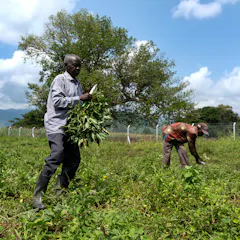
African farmers face rising climate disasters that destroy crops and livestock. The G20 must champion new, affordable tech-based insurance for them.

Small farms will have the hardest time meeting the rules, giving big producers an edge. One potential solution: agroforestry, growing coffee plants among the trees.
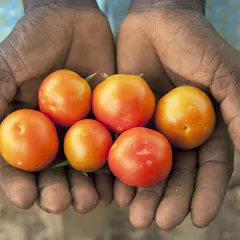
Africa has a hunger crisis: it’s time to change the approach to agriculture.

Smallholder farmers in Nigeria have told researchers they’d benefit from livestock index insurance which pays farmers when weather stations indicate that a severe drought or storm has hit the area.
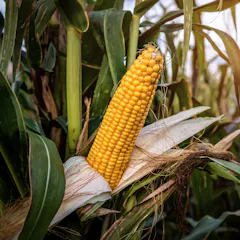
Hundreds of small-scale farmers in South Africa’s North West province who switched to eco-friendly, climate-smart farming have seen their maize harvest shoot up and their soil improve.

Transitions to diversified farming systems in Africa will require financial support. But barriers can be overcome.

The South African government has failed to reverse the decline in smallholder farming that began during apartheid. A different approach is needed to support smallholder livelihoods.
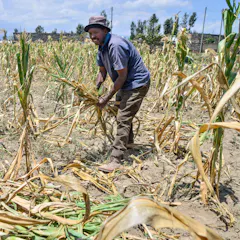
Smallholder farmers are bearing the brunt of climate change in sub-Saharan Africa. Deliberate steps are required to support them and boost agricultural output,
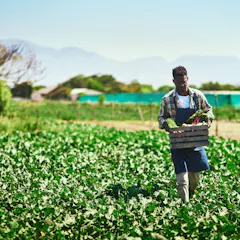
Financing is available to farmers. What’s in contention is whether what’s available helps farmers enter the industry, expand and grow.
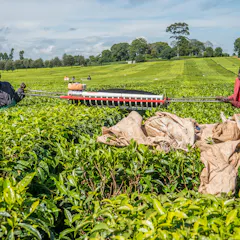
Average farm machinery use in Africa is among the lowest in the world.

The ravages of climate change and hunger do not occur in isolation, but are part of the system we have built.
Top contributors
-

Senior Lecturer at Oyo State College of Agriculture and Technology, Igboora, Nigeria and Extraordinary Senior Lecturer at Indigenous Knowledge Systems Centre, North-West University, Mafikeng, South Africa, North-West University
-
Senior Economist, Center for International Forestry Research – World Agroforestry (CIFOR-ICRAF)
-
Academic and agricultural scientist, Adelaide University
-
PHD Student, Geography, Environment and Geomatics/Arrell Food Institute, University of Guelph
-
Ass. Professor, University of Maryland Eastern Shore; North-West University
-
DeWitt Wallace Professor of Geography, Director of Food, Agriculture & Society Program, Macalester College
-
Honorary Lecturer, Bangor University
-
PhD Candidate, Geography, Environment & Geomatics, University of Guelph
-
Research Fellow, Tegemeo Institute, Egerton University
-
Director of the Arrell Food Institute and Professor in the Dept. of Geography, Environment and Geomatics, University of Guelph
-
Agricultural Innovation Scientist, Adelaide University
-
MSU Foundation Professor, Agricultural, Food and Resource Economics, Michigan State University
-
Associate Professor, Department of Entomology; African-American Studies, University of Illinois Urbana-Champaign
-
Research Program Manager for the Cropping Systems and Economics (CSE) program, Australian Centre for International Agricultural Research
-
Visiting professor, Strathmore University