

Students explore nuclear facilities in virtual reality and learn about the ethical dimensions of nuclear technology in a University of Michigan course.
Articles on Societal impacts
Displaying 1 - 20 of 30 articles

Synthetic cells that look just like natural cells but are chemically reversed could outcompete other living organisms − with dire consequences for human health and the environment.

Space isn’t lawless, but the agreements governing it don’t cover everything nations will have to grapple with as they develop their space programs.

Biden’s legacy includes elevating science’s influence in federal decision-making and considering the social and ethical effects of research.
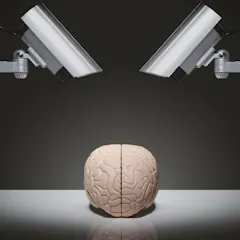
Neurotechnology raises many high-stakes ethical questions. Setting ground rules could help protect workers and ensure that tasks are adapted to the person, rather than the other way around.

Space may be considered the final frontier, but the US was once a frontier, too. How can space industry leaders avoid repeating practices that led to colonialism in the 18th century and beyond?
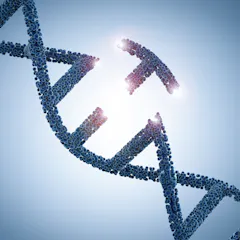
In the absence of clear-cut regulation, who should decide on where and how a technology that could change the course of human health should be applied?

The best spots on the Moon for lunar bases are the same spots where scientists want to build telescopes − can these two interests coexist?

Ethics is often neglected in engineering education, two researchers write, despite mounting questions about how to responsibly design artificial intelligence programs.
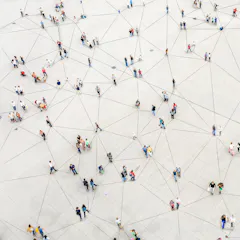
Use-inspired research goes beyond translational research to build lasting connections between researchers and communities.

Rapidly changing temperatures and sensory environments are challenging the nervous systems of many species. Animals will be forced to evolve to survive.
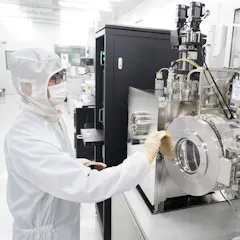
Two decades ago, the nanotechnology revolution avoided stumbling by bringing a wide range of people to the table to chart its development. The window is closing fast on AI following suit.

AI poses a variety of ethical conundrums, but the NASA teams working on Mars rovers exemplify an ethic of care and human-robot teamwork that could act as a blueprint for AI’s future.
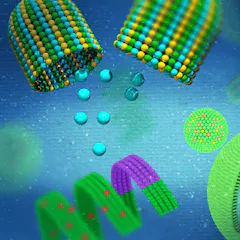
Nanoparticles have contributed to profound medical advances like the COVID-19 vaccine, but without oversight, they pose ethical and environmental issues.

Industry leaders, scientists and policymakers may see AI’s technical potential, but societies have trouble adapting to revolutionary advances without broad public participation.

More invasive devices have prompted new debates about privacy and freedom. But it’s important to keep in mind that other technologies already sense and shape our thoughts, a neuroethicist argues.
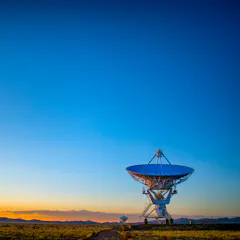
Three Indigenous studies scholars draw from colonial histories and explain why listening for alien life can have ethical ramifications.

Capturing biometric data helps UN agencies and other groups avoid the risk of fraud and increase efficiency. But the practice is complicated and has created security risks for vulnerable groups.

Scientists can create viable eggs from two male mice. In the wake of CRISPR controversies and restrictive abortion laws, two experts start a dialogue on ethical research in reproductive biology.

Political mobilization among scientists has been growing in recent years. Two social scientists break down what this looks like and how it represents a culture shift among the scientific community.
Top contributors
-

Professor of Advanced Technology Transitions, Arizona State University
-
Professor of Biodiversity, Earth and Environmental Science and Biology, Drexel University
-
Guest investigator, Woods Hole Oceanographic Institution
-
Postdoctoral associate, University of Florida
-
Associate Professor of Neuroethics, Penn State
-
Dean of the College of Science, Professor of Biochemistry, Rochester Institute of Technology
-
Professor of Animal Science, Adjunct Professor of Obstetrics, Gynecology and Reproductive Biology, Michigan State University
-
Assistant Professor of Sociology, University of Pittsburgh
-
Professor of World Arts and Cultures/Dance, University of California, Los Angeles
-
Professor of Bioinformatics, Rochester Institute of Technology
-
Associate Professor of Sociology, Princeton University
-
Professor of Policy Analysis, RAND School of Public Policy
-
Senior Astrophysicist, Smithsonian Institution
-
Associate Professor of Anthropology, Bowdoin College
-
Professor of Biomedical Ethics, University of Virginia